| Climate anxiety is emotional distress or worry related to climate change and its possible effects on the future. It is not a formal mental health diagnosis in itself, but it can affect sleep, focus, mood, and daily life. Helpful ways to manage climate anxiety include limiting doomscrolling, talking to someone you trust, taking practical action, using grounding exercises, and seeking professional support when distress persists or interferes with daily functioning. |
Climate anxiety can hit you when you least expect it. Maybe you read about a flood or a record heatwave, and your chest feels tight. You are not alone. A global survey of 10,000 young people found that 59% were very or extremely worried about climate change. Clearly, this is a shared experience.
However, worry does not have to freeze you. This guide explains what climate anxiety is and how climate change affects mental health. Most importantly, you will learn simple steps to cope in daily life. Imagine feeling calmer and more prepared, even while the news stays heavy. Read on to discover how.
What Is Climate Anxiety?
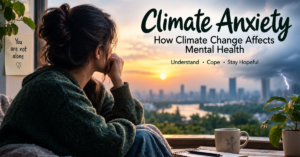
Climate anxiety is the distress people feel about climate change and its effect on the future. Many people also call it eco-anxiety. Others use terms like eco-grief or climate distress.
Researchers behind a major Lancet Planetary Health study use the term as a broad label. It covers worry, fear, anger, grief, guilt, and even hope.
In other words, climate anxiety is not a weakness. It shows that you care about the world around you. The trouble starts when the worry takes over your day.
Climate change anxiety can also differ from ordinary stress. Ordinary stress may ease when a problem ends. Climate worry, in contrast, has no clear end date, so it can linger.
What Are the Symptoms of Climate Anxiety?

Climate anxiety symptoms look different for each person. Still, most signs fall into three groups.
- Physical signs: poor sleep, headaches, a racing heart, stomach problems, and muscle tension.
- Emotional signs: constant worry, sadness, anger, guilt, or a feeling of powerlessness.
- Behavioral signs: doomscrolling, avoiding climate news, trouble focusing, or snapping at loved ones.
Additionally, some people feel hopeless about the future. Others feel guilty about everyday choices, such as driving or flying.
Keep one thing in mind. Having a few of these signs does not mean something is wrong with you. However, if they last for weeks and disrupt your work or relationships, take them seriously.
How Does Climate Change Affect Mental Health?
Climate change and mental health are linked in two main ways. First, the threat creates worry about the future. Second, real disasters disrupt lives right now.
Mental Health Effects of Extreme Weather
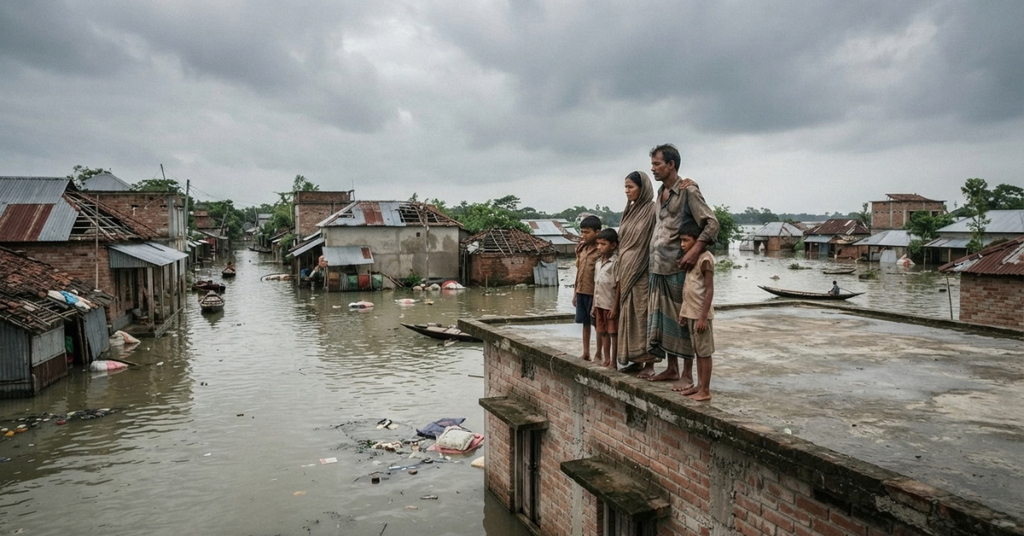
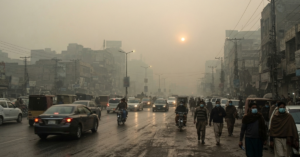
Floods, heatwaves and storms can destroy homes, jobs and daily routines. As a result, people lose their sense of safety. Natural disasters can therefore leave deep emotional marks.
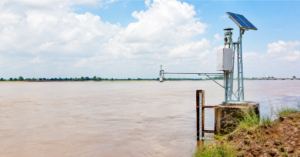
Pakistan’s repeated flood seasons show how fast this can happen. Early warnings can protect lives and ease fear. You can learn more in our guide to flood forecasting in Pakistan.
Heat adds another layer. Heatwaves and mental health are tied together through sleep and stress. Hot nights disturb rest, and poor sleep makes stress harder to handle.
Likewise, patterns such as El Niño can push heat and rainfall to extremes. Our article on El Niño impacts explains how this works.
Hidden Pressures on Daily Life
The WHO says climate change worsens many social, environmental, and economic risk factors for poor mental health. Think about a farmer who loses a crop. Think about a family forced to move after a disaster. Each event adds stress. You can read the full WHO policy brief for details.
Furthermore, some groups face higher risk. These include people with existing mental health conditions. The impact also differs by income, gender, and age.
There is a support gap too. A 2021 WHO survey of 95 countries found that only nine had added mental health support to their national climate and health plans. Therefore, many people handle climate stress alone.
Why Is Climate Anxiety Rising?
Several things push climate anxiety up. News about disasters now reaches your phone within minutes. As a result, you see far more bad events than people did a generation ago.
Social media adds to this. Endless feeds of fires, floods and warnings can make the world feel less safe. In contrast, positive stories about solutions rarely spread as fast.
Personal experience matters too. When you live through a flood or a brutal heatwave, climate change stops being a general idea. It becomes your own story, and that can stir strong fear.
Finally, many people feel their leaders are not doing enough. The Lancet study linked this belief to deeper distress among young people. Therefore, feeling heard and seeing real action can ease the pressure.
Climate Anxiety vs. Anxiety Disorder vs. PTSD
People often mix up these three terms. The table below shows the main differences.
| Climate Anxiety | Generalized Anxiety Disorder | PTSD | |
| Main trigger | Climate change and its effects | Many everyday worries, often with no single cause | A frightening or traumatic event, such as a flood |
| Formal diagnosis | No | Yes | Yes |
| Common signs | Worry about the future, guilt, grief, poor sleep | Constant worry, restlessness, tense muscles | Flashbacks, nightmares, feeling easily startled |
| Who can help | Counselors, support groups, community action | Doctors and therapists | Doctors and trauma therapists |
Overlap is common, though. Someone who survived a flood can feel climate anxiety and PTSD symptoms together. For that reason, a doctor or therapist is the best person to sort this out.
Who Feels Climate Anxiety the Most?
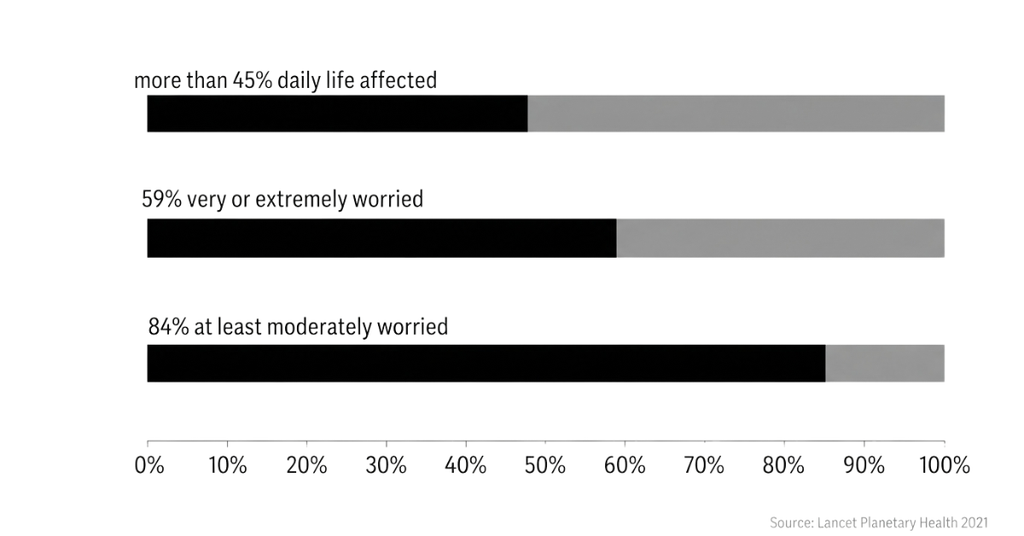
Young people report some of the highest levels. The Lancet study surveyed 10,000 people aged 16 to 25. They lived in ten countries, including India, Nigeria, the Philippines, the UK, and the USA. Here is what it found:
- 59% were very or extremely worried about climate change.
- 84% were at least moderately worried.
- More than 45% said these feelings affected their daily lives.
The study also tied distress to how people view government action. Those who felt leaders were failing them reported stronger distress and feelings of betrayal. In short, worry grows when people feel nobody is acting.
However, climate anxiety in young people is only part of the story. Farmers, coastal families and people in flood-prone areas also face climate risk every day. Consequently, their stress comes from lived experience, not just headlines.
Why Climate Anxiety in Young People Needs Extra Care
Children and teens often feel climate worry strongly, yet they have little power to change policy. That gap can leave them feeling stuck. The Lancet researchers pointed to this lack of power as a key reason young people are vulnerable.
If you are a parent, teacher, or older sibling, you can help in simple ways. Here is what works well:
- Listen first. Let them share their fears without rushing to fix them.
- Keep facts honest and simple. Avoid frightening details, but never say there is nothing to worry about.
- Point to action. Plant a tree, cut waste at home, or join a school eco club together.
- Watch for changes. Trouble sleeping, withdrawal, or constant fear deserve a talk with a doctor or school counselor.
Additionally, show them that adults are working on solutions. Early warning systems, better planning, and climate data all protect communities. When young people see this, hope has room to grow.
How Can You Cope With Climate Anxiety?
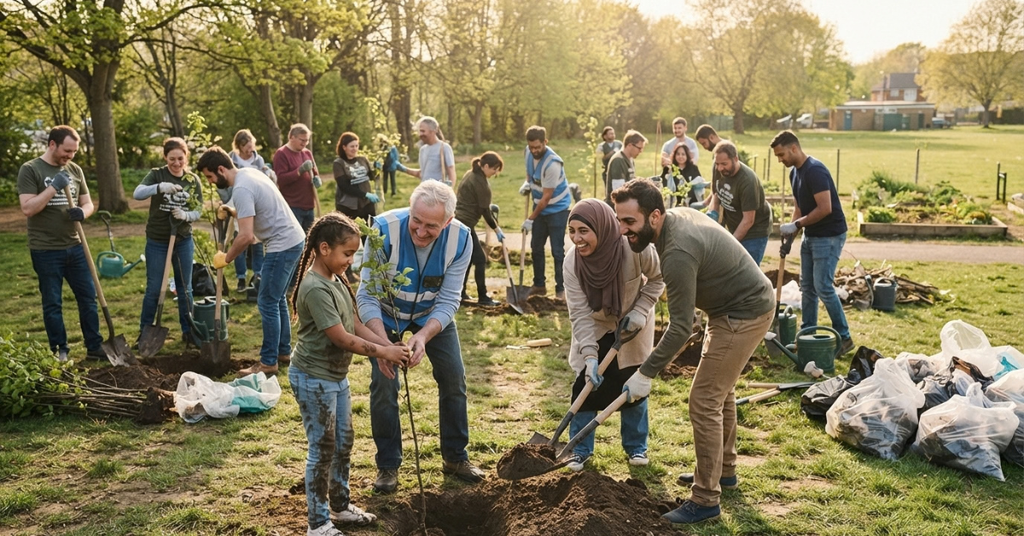
You cannot fix climate change alone. You can, however, protect your mind while you do your part. Here is how to cope with climate anxiety, step by step:
- Name the feeling. Tell yourself, “This is climate anxiety.” Naming it can make it feel easier to manage.
- Limit doomscrolling. Pick one or two times a day for news. Avoid it before bed.
- Take one small action. Join a local clean-up, cut food waste, or plan how your family would handle a flood or heatwave.
- Talk to someone. Share your worries with friends, family, or a support group.
- Use a grounding trick. Try the 3-3-3 rule: name three things you see, name three sounds you hear, and move three body parts.
- Focus on what you control. Your habits, your home, and your community plans are good places to start.
- Ask for help. If worry lasts for weeks, speak to a therapist or doctor.
Notably, facts calm fear better than rumors. Reliable data shows where risks are and how to prepare. That is why disaster risk management and early warning systems matter. They turn a vague fear into a clear plan.
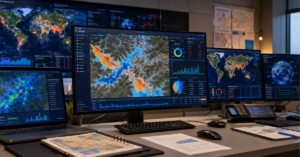
Technology helps here too. Tools such as climate intelligence help communities see risks early. Likewise, AI in disaster management speeds up warnings and response. When people feel prepared, they often feel less helpless.
How Worried Should You Be About Climate Change?
Some concern is healthy. Climate change is real, and the WHO treats it as a serious risk to mental health. Therefore, feeling worried is a reasonable response.
The key is the type of worry. Helpful worry pushes you to prepare and act. Unhelpful worry traps you in endless what-if thoughts. Ask yourself one question: does this worry lead to action, or only to panic?
If it leads only to panic, step back. Switch off the news, breathe slowly, and pick one small task. Once you feel calmer, return to the issue with a clear head.
When Should You Get Professional Help?
Reach out if you feel hopeless for weeks, cannot sleep, or lose interest in daily life. A doctor, counselor, or therapist can help. Support works best when you ask early.
If you ever feel unsafe or think about harming yourself, contact your local emergency number or a crisis line right away.
Conslusion
Climate anxiety is real, and it is common. It is not a weakness. It can reflect how deeply you care about people, places, and the future.
You cannot control the weather, but you can shape how you respond. Limit endless scrolling. Talk to people you trust. Take small steps that fit your life. If the distress continues or starts to affect your daily life, speak to a doctor or mental health professional.
Preparation helps too. When communities have clear climate data and early warnings, a vague threat can become a plan. Fear can feel smaller when you know what to expect and what to do next. Think about one step you can take this week. Maybe you will make a family emergency plan. Maybe you will switch off the news an hour earlier tonight.
Learn more about how climate intelligence and early warning systems can support community preparedness with AI Geo Navigators.
FAQs
What are the symptoms of climate anxiety?
Climate anxiety symptoms include constant worry about the future, sadness, anger, guilt, and a sense of helplessness. You may also notice poor sleep, headaches, a racing heart, and trouble focusing. Some people avoid climate news, while others cannot stop reading it. Because climate anxiety is not a formal diagnosis, there is no official checklist. However, if these signs last for weeks or disrupt your daily life, speak to a doctor or therapist for support.
What is the 3-3-3 anxiety rule?
The 3-3-3 rule is a simple grounding trick for moments of high anxiety. First, look around and name three things you can see. Next, listen and name three sounds you can hear. Finally, move three parts of your body, such as your fingers, shoulders, and feet. This pulls your attention away from racing thoughts and back to the present. It is not a cure, but it can help you feel steadier in the moment.
How to get over climate anxiety?
You may not erase climate anxiety completely, but you can manage it well. Start by naming the feeling and limiting doomscrolling. Then take one small action, such as joining a local group or preparing a home emergency plan. Talk with people you trust, and use grounding tricks when worry spikes. Finally, ask a therapist for help if your anxiety lasts for weeks or affects your sleep, work, or relationships.
How worried should I be about climate change?
Some worry is reasonable, because climate change is a real and serious risk. The WHO also warns that it can harm mental health. The goal is not to feel no worry at all. Instead, aim for worry that leads to action, such as learning about local risks and preparing your family. If your worry turns into constant panic or stops you from living normally, take a step back and seek support.