| Quick Answer: Energy security is the uninterrupted availability of energy at an affordable price. A widely used framework describes four dimensions: availability, accessibility, affordability, and acceptability. Countries strengthen energy security through diversified supply, strategic reserves, and resilient infrastructure. |
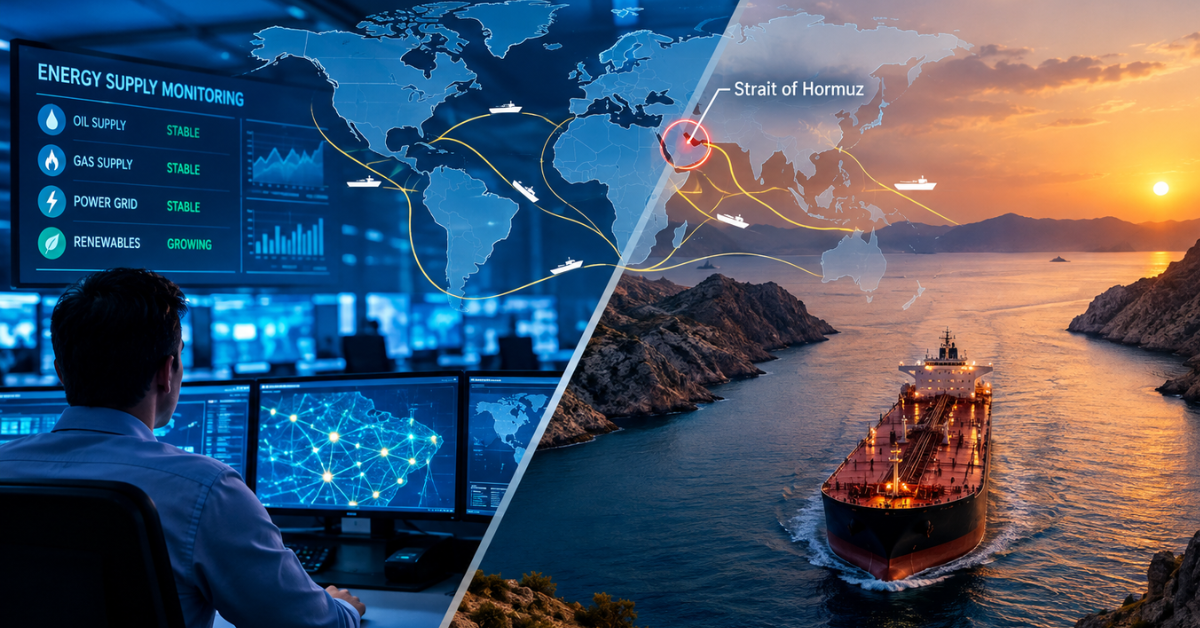
Energy security decides whether the lights stay on. It decides whether factories run, hospitals function, and fuel prices stay predictable. Every country depends on it, but most people only think about it once a crisis hits. In early 2026, a conflict near the Strait of Hormuz shut down a large share of the world’s seaborne oil trade almost overnight, and the International Energy Agency called it one of the largest supply disruptions in the history of the global oil market.
This article breaks down what energy security actually means, the frameworks experts use to assess it, and real examples of how countries build or lose it. It also draws a clear line between energy security and clean energy investment, so the two stop getting confused.
What Is Energy Security?
The International Energy Agency defines energy security as the uninterrupted availability of energy sources at an affordable price. That single sentence carries two separate ideas. First, supply must not break. Second, price must not spike beyond reach.
Energy resilience operates on two time horizons. Long-term energy resilience depends on timely investment in supply infrastructure. Short-term energy security depends on how fast a system reacts to sudden shocks: a pipeline attack, a currency crash, a war.
The concept has expanded far beyond oil. The IEA’s mandate began with oil security in 1974. It now covers natural gas, electricity, and clean energy supply chains, along with newer risks like cyberattacks on grids and extreme weather events.
What Are the Four A’s of Energy Security?
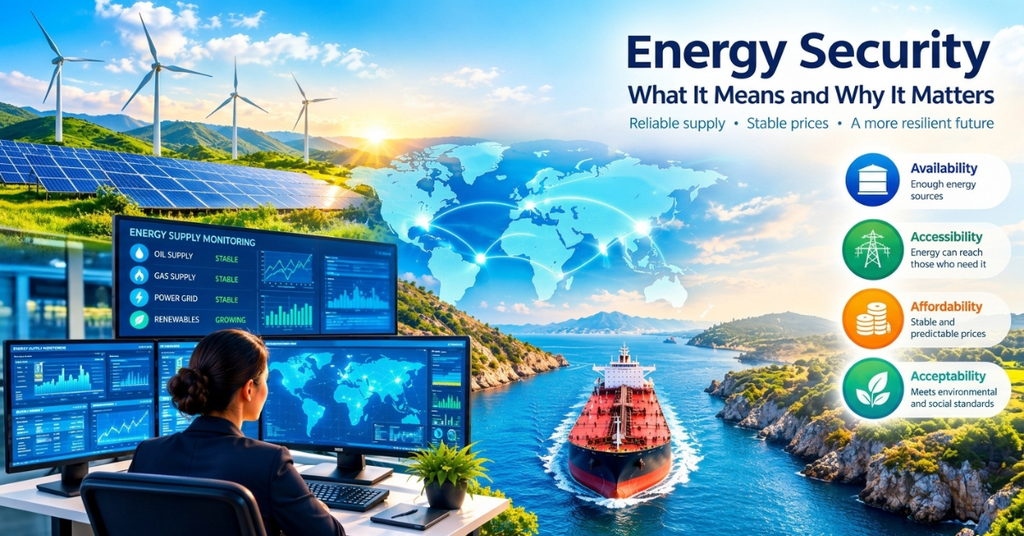
Energy policy experts commonly use a simple framework to assess energy security: the four A’s. Each one describes a different dimension of a secure energy system.
- Availability: enough domestic or imported energy sources exist to meet demand, whether oil, gas, coal, or renewables.
- Accessibility: political, technological, and economic conditions allow that energy to actually reach the people who need it.
- Affordability: prices stay within reach of households and industries, without extreme volatility.
- Acceptability: energy production and use meet environmental and social standards.
The four dimensions are interconnected. A country can have abundant energy resources and still face energy insecurity if infrastructure, affordability, or access becomes a constraint. No single dimension guarantees security on its own.
What Are the Three Pillars of the Energy Trilemma?
The phrase “three pillars of energy security” usually points to a related but distinct framework: the World Energy Council’s Energy Trilemma. It ranks countries across three pillars: energy security, energy equity, and environmental sustainability.
Energy equity measures affordable, reliable access for the population. Environmental sustainability measures how clean the energy mix is. The Trilemma treats energy security as one of three competing pillars, not the whole picture. A country can score high on security by burning cheap coal and still score low on sustainability. Balancing all three is the real policy challenge every government faces.
What Are Examples of Energy Security?
A secure energy system shows up in specific national decisions, not abstract policy language.
- Strategic reserves: many IEA member countries stockpile oil to cushion supply shocks.
- Supplier diversification: Europe reduced its dependence on a single gas supplier after 2022 by importing LNG from multiple countries.
- Interconnected grids: neighboring countries share electricity across borders during shortages.
- Domestic renewable capacity: solar and wind generation doesn’t depend on a foreign supplier or a shipping lane, which makes it an energy security asset as much as a climate one.
- Energy efficiency: lowering overall demand reduces how exposed a country is to any single supply shock.
Why Energy Security Matters in 2026
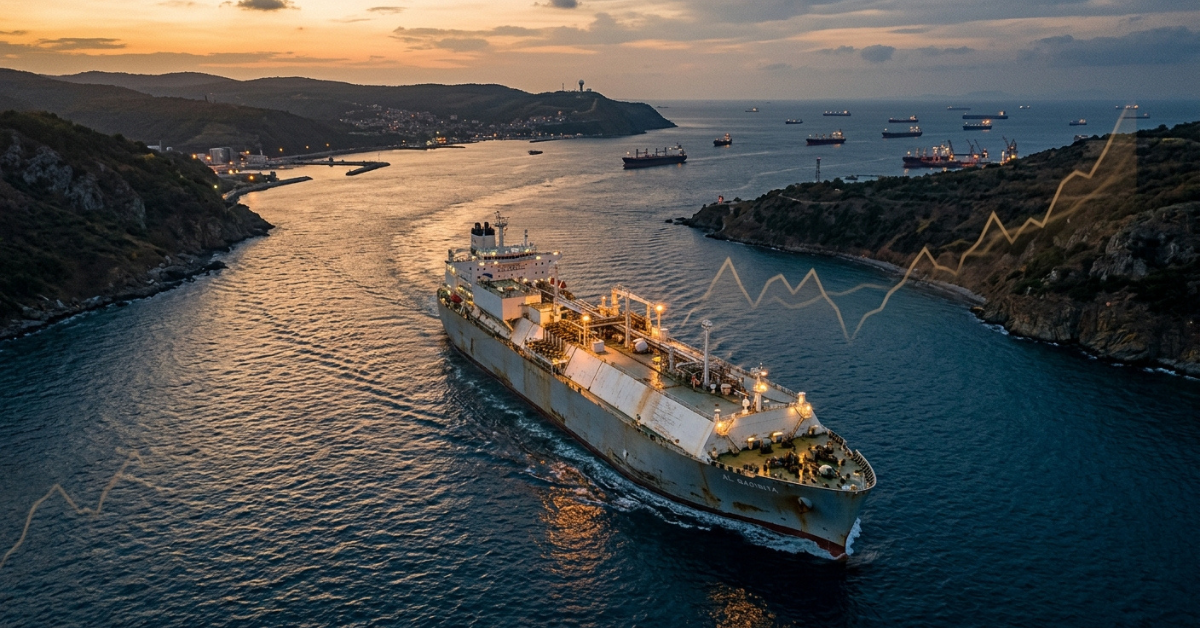
Energy systems are increasingly exposed to geopolitical shocks, vulnerable transport routes, and sudden changes in global fuel markets. The events of 2026 show how quickly a disruption in one strategic location can affect energy prices and supplies far beyond the region where it begins.
A Chokepoint Under Pressure
The conflict around the Strait of Hormuz that began in February 2026 is a clear, ongoing example of why energy resilience isn’t theoretical. According to Congress’s own research service and the IEA, about a quarter of the world’s seaborne oil trade and close to a fifth of global LNG trade normally pass through that single chokepoint. When the strait was closed to shipping in early March 2026, Reuters and industry outlets reported Brent crude prices surpassing $100 a barrel, and Bruegel’s analysis of European markets recorded a gas price jump of around 20% on the morning of March 2 alone.
The Emergency Reserve Release
On March 11, 2026, the IEA confirmed that its member countries had agreed to carry out the Agency’s largest-ever coordinated release of strategic oil reserves, an emergency step reserved for exactly this kind of shock. Reporting from the region also documented knock-on effects far from the Gulf, including a diesel and fuel price crisis in the Philippines and fuel shortages in Vietnam.
A Pattern, Not a One-Time Event
The situation has continued in phases through 2026, with ceasefires, re-closures, and renewed tensions rather than a single resolved event. That pattern is itself an energy-supply resilience lesson: a disruption at one chokepoint doesn’t end cleanly, and countries with diversified supply and strong reserves have generally been better positioned to absorb each new phase than countries with concentrated import routes and thin buffers.
How Can Countries Improve Energy Security?
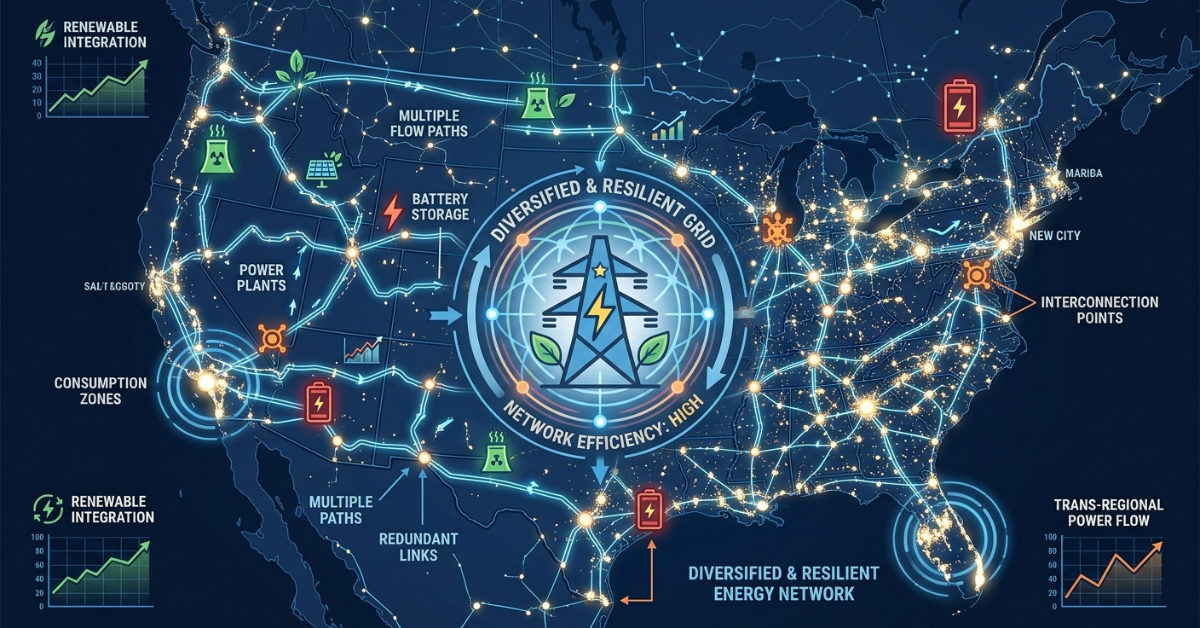
Most national energy strategies for supply resilience rely on a combination of the following measures, not any single fix.
- Diversify energy suppliers and import routes, so no single country or chokepoint controls the flow.
- Expand domestic energy production, including both fossil and renewable sources where available.
- Increase renewable generation to reduce reliance on imported fuel.
- Strengthen electricity grids and interconnections with neighboring systems.
- Maintain strategic reserves that can be released during a supply shock.
- Improve energy efficiency to lower overall demand and exposure.
- Expand battery and storage capacity to support variable renewable output.
- Protect critical energy infrastructure from physical and cyber threats.
- Build emergency response and coordination plans for supply disruptions.
How Renewable Energy Strengthens Energy Security
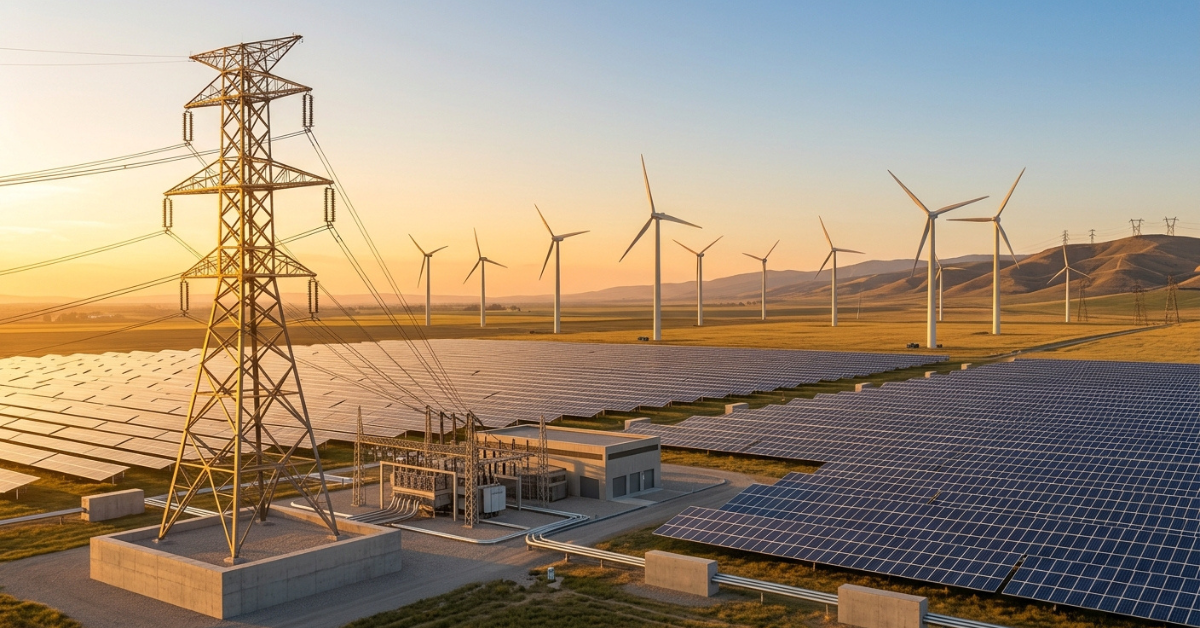
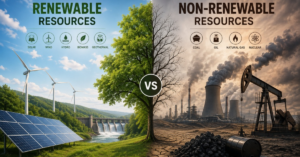
This is where the renewable-versus-nonrenewable debate stops being theoretical. Renewable electricity can be generated domestically, which reduces dependence on imported fuels and on the shipping lanes and pipelines those fuels travel through. It also isn’t priced in a foreign currency that can swing overnight during a crisis.
This doesn’t make renewable energy a complete fix on its own. Solar and wind output is variable, so grids still need adequate storage, transmission capacity, and backup capacity to convert that generation into reliable supply. Renewable energy strengthens energy security most when it’s paired with the grid and storage investment needed to make it dependable.
For import-dependent countries, scaling domestic renewable capacity, alongside the grid upgrades that support it, is one of the more effective ways to shrink both the energy import bill and exposure to the next chokepoint disruption. For the full comparison of costs, emissions, and long-term viability, see Renewable Resources vs Nonrenewable: The Better Choice.
Energy Security vs Clean Energy Investment: Two Different Lenses
It’s easy to confuse energy security with clean energy investment, since the two overlap on paper. They are not the same thing.
Clean energy investment tracks capital flows: how many trillions move into solar, wind, and storage each year. Clean Energy: Reshaping Global Investment covers that story in detail, including the $2.3 trillion invested worldwide in 2025.
Energy security tracks something different: whether a country’s supply can survive a shock without collapsing. A nation can attract billions in clean energy investment and still have a vulnerable energy system if that investment never reduces import dependency or strengthens grid resilience. Most countries need progress on both fronts, but they answer different questions.
Energy Security vs Clean Energy Investment, Side by Side
| Dimension | Energy Security | Clean Energy Investment |
| Core question | Can supply survive a shock? | How much capital flows into clean energy? |
| Primary risk | Import dependency, geopolitical disruption | Financing gaps, policy uncertainty |
| Key metric | Import share, reserve capacity, grid resilience | Dollars invested annually |
| 2026 real-world signal | IEA’s largest-ever coordinated emergency oil reserve release, triggered by the Strait of Hormuz disruption | $2.3 trillion invested globally in 2025, a record according to BloombergNEF |
| The fix | Diversify supply, expand domestic renewables | Attract climate finance, de-risk investment |
Energy Security vs Energy Independence
These two terms get used interchangeably, but they aren’t the same. Energy independence means producing all the energy a country consumes domestically. Supply resilience is broader: a country can still import energy and have strong energy security, as long as its suppliers are diversified, its reserves are adequate, and its infrastructure is resilient. Countries that are energy independent still need sound infrastructure and reserves; independence alone doesn’t guarantee security.
Key Takeaways
- Energy security means uninterrupted energy supply at an affordable price, per the IEA’s definition.
- The four A’s, availability, accessibility, affordability, and acceptability, are a common framework for assessing energy security.
- The World Energy Council’s Trilemma treats energy security as one of three pillars, alongside energy equity and environmental sustainability.
- The 2026 Strait of Hormuz disruption pushed Brent crude past $100 a barrel and led the IEA to coordinate its largest-ever emergency oil reserve release.
- Renewable energy strengthens energy security, but it works best when paired with adequate grid and storage capacity.
Conclusion
Energy security isn’t an abstract policy term. It decides how a country responds when a tanker route closes, a currency slides, or a supplier raises its price. The 2026 Strait of Hormuz disruption showed how quickly weak energy security turns a regional conflict into a global problem.
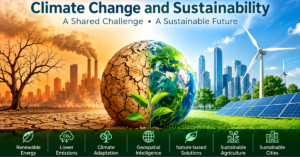
The path forward involves several moving parts: diversifying the energy mix, expanding domestic renewable capacity, strengthening grids and reserves, and reducing exposure to volatile import markets. Countries that treat energy security and the clean energy transition as one connected strategy, rather than two separate conversations, will be better positioned for the disruptions still ahead. Organizations planning renewable siting or energy-risk assessments can explore AI Geo Navigators’ risk analytics and decision intelligence services for that kind of spatial planning support.
FAQs
1. What is meant by energy security?
Energy security means a country has uninterrupted access to energy at a price it can afford. The International Energy Agency defines it as the uninterrupted availability of energy sources at an affordable price, covering both stable supply and stable pricing.
2. What are examples of energy security?
Examples include strategic petroleum reserves, diversified energy suppliers, interconnected regional power grids, domestic renewable energy capacity, and energy efficiency measures. Each one reduces a country’s exposure to a single point of failure in its energy supply.
3. What are the four A’s of energy security?
The four A’s are availability, accessibility, affordability, and acceptability. Availability means enough energy sources exist. Accessibility means that energy can reach consumers. Affordability means prices stay reasonable. Acceptability means production meets environmental and social standards.
4. What are the three pillars of energy security?
This usually refers to the World Energy Council’s Energy Trilemma, which ranks countries on three pillars: energy security, energy equity, and environmental sustainability. Energy security itself measures supply reliability, while the other two pillars track affordable access and environmental performance.
5. How does renewable energy improve energy security?
Renewable energy improves energy security by reducing dependence on imported fuels and the shipping routes or pipelines they travel through. Because it’s generated domestically, it’s less exposed to foreign price shocks and geopolitical disruption, though it still needs adequate grid and storage capacity to be fully reliable.
6. What is the difference between energy security and energy independence?
Energy independence means producing all the energy a country consumes domestically. Energy security is broader and can be achieved even with imports, as long as supply is diversified, reserves are adequate, and infrastructure can absorb shocks. A country can be energy independent and still face energy security risks if its domestic system lacks resilience.