| Quick Answer: Renewable energy in Pakistan is no longer a marginal story. Ember’s country data, last updated in April 2026, shows clean sources (renewables plus nuclear power) supplying 55% of Pakistan’s electricity. Fossil fuels account for 45%. Solar and wind alone make up 22% of generation. And distributed solar has expanded far beyond what official utility-scale statistics capture. |
Renewable energy in Pakistan is no longer just a future plan. It already plays a major role in the country’s electricity system. For years, reports described Pakistan’s clean power sector as small and slow. That picture is now outdated. In fact, current data shows renewables and nuclear power together supply more than half of the country’s electricity. On top of that, solar and wind are growing faster than any other source.
So where does this power actually come from? And what’s driving the growth? This article breaks it down, step by step, with every figure sourced and dated so you know exactly what it measures.
What Is Renewable Energy in Pakistan’s Mix Today?
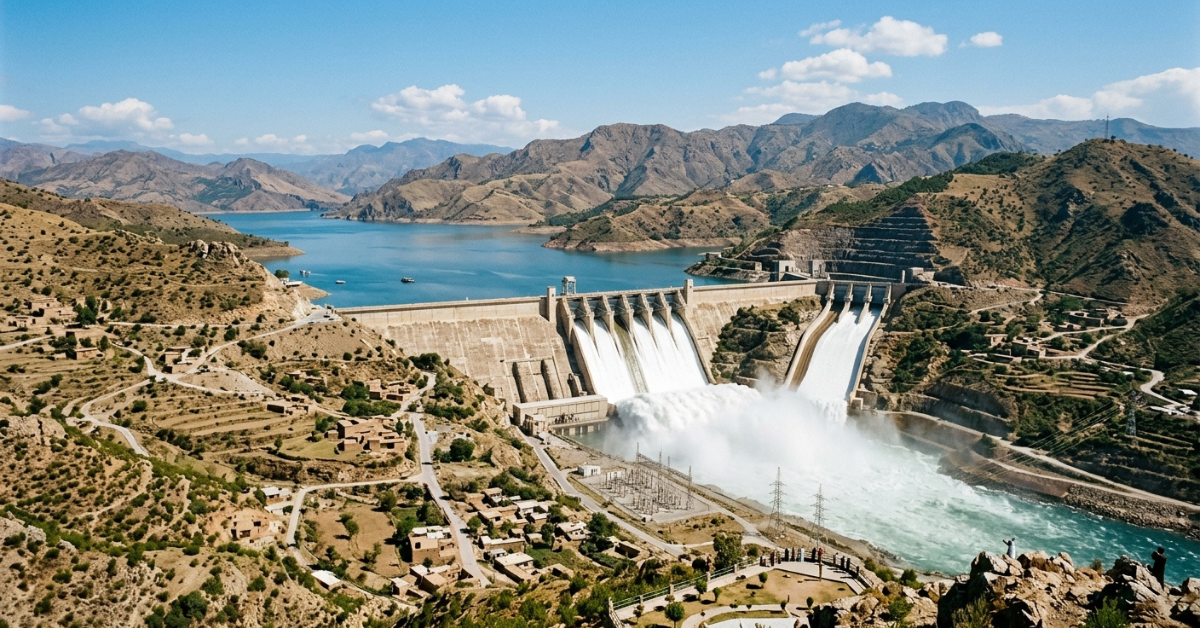
Renewable energy in Pakistan looks very different depending on which numbers you look at. Hydropower has historically been the backbone of Pakistan’s renewable electricity system. It supplied most of the country’s clean electricity for decades, long before solar power or wind turbines entered the picture. But the real story of the last three years isn’t hydropower. It’s solar.
The Old NEPRA Numbers Don’t Tell the Full Story
An older National Electric Power Regulatory Authority (NEPRA) breakdown put utility-scale renewable energy sources at just 7% of installed capacity. Hydro sat at 25%, and thermal fossil fuels made up 59%. However, that data is from 2022. It measures installed capacity, not generation, so it isn’t directly comparable to current generation-share figures. It also predates the distributed-solar boom entirely.
What Ember’s Newer Data Shows
More recent generation data tells a different story. Ember’s country dataset, last updated in April 2026, puts the share of Pakistan’s electricity from clean sources (renewables plus nuclear power) at 55%. Fossil fuels, meanwhile, account for 45%. Solar and wind together make up 22% of generation on their own. That share has climbed quickly. For example, a Reuters analysis of Ember data found solar’s share of generation roughly tripled, from about 4% in 2021 to 14% in 2024. That’s one of the fastest increases anywhere in Asia.
The Distributed Solar Boom
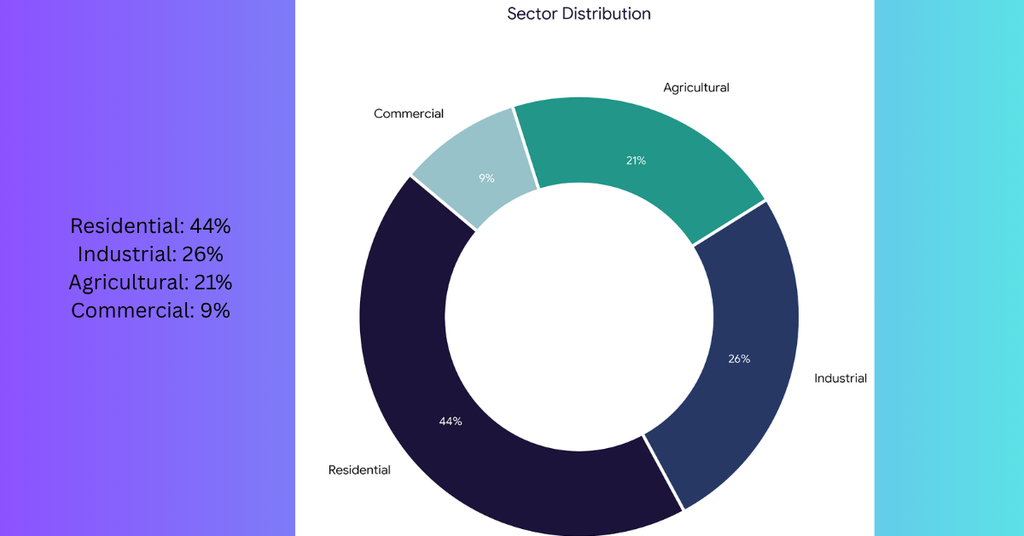
Separately, a joint Ember and Renewables First study, “The Solarization of Pakistan’s Economy”, maps roughly 38 GW of distributed solar capacity. This capacity sits across four sectors of the economy. Much of it stays outside official utility-scale statistics. As a result, generation-share numbers and installed-capacity numbers can look very different.
The table below breaks down where that distributed-solar growth is coming from, and what Pakistan’s 2035 targets actually mean.
| Metric | Figure | What it means |
| Clean electricity share (generation) | 55% | Renewables and nuclear share of Pakistan’s electricity generation (Ember, updated Apr 2026) |
| Solar + wind share (generation) | 22% | Share of generation from solar and wind alone (Ember, Apr 2026) |
| Distributed solar capacity | ~38 GW | Estimated installed capacity across 4 sectors (Ember & Renewables First, “The Solarization of Pakistan’s Economy,” 2026) |
| Residential share | 44% | Of distributed-solar capacity |
| Industrial share | 26% | Of distributed-solar capacity |
| Agricultural share | 21% | Of distributed-solar capacity |
| Commercial share | 9% | Of distributed-solar capacity |
| Renewable capacity target (2035) | ~38.5 GW | 62% of NDC 3.0’s installed-capacity target, including hydropower (submitted Sept 2025) |
| Clean energy capacity target (2035) | ~43.2 GW | 69% of NDC 3.0’s installed-capacity target |
The Rooftop Solar Boom Behind the Numbers
Here’s what most coverage misses: households, businesses, and farmers have driven this solar boom just as much as policy has. Market forces played a big part too.
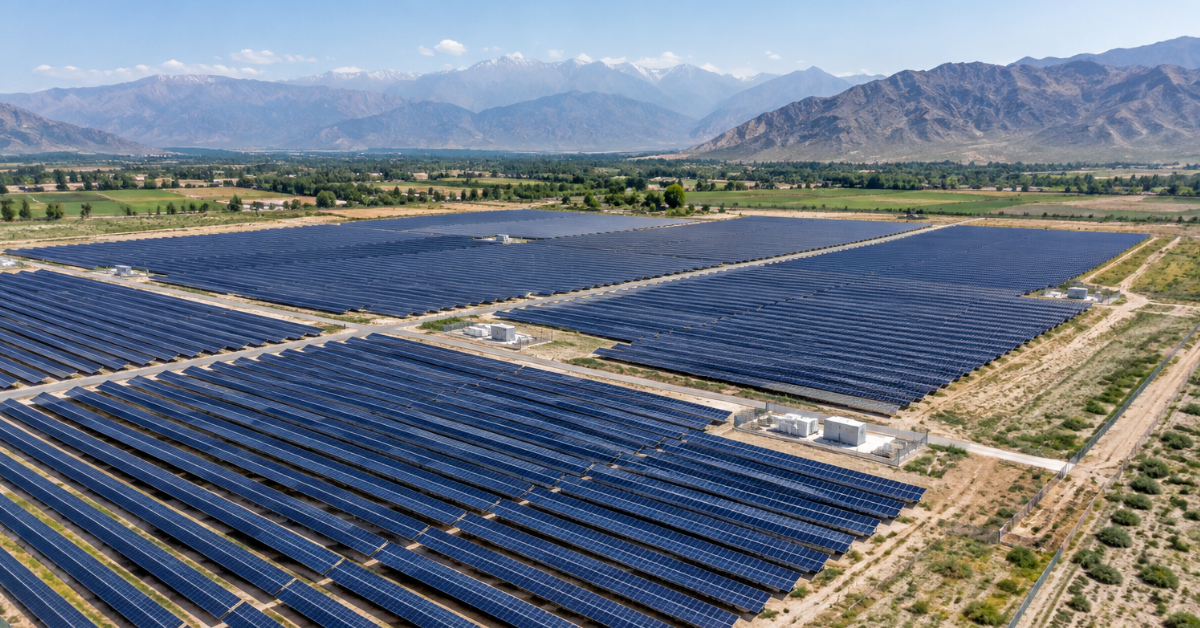
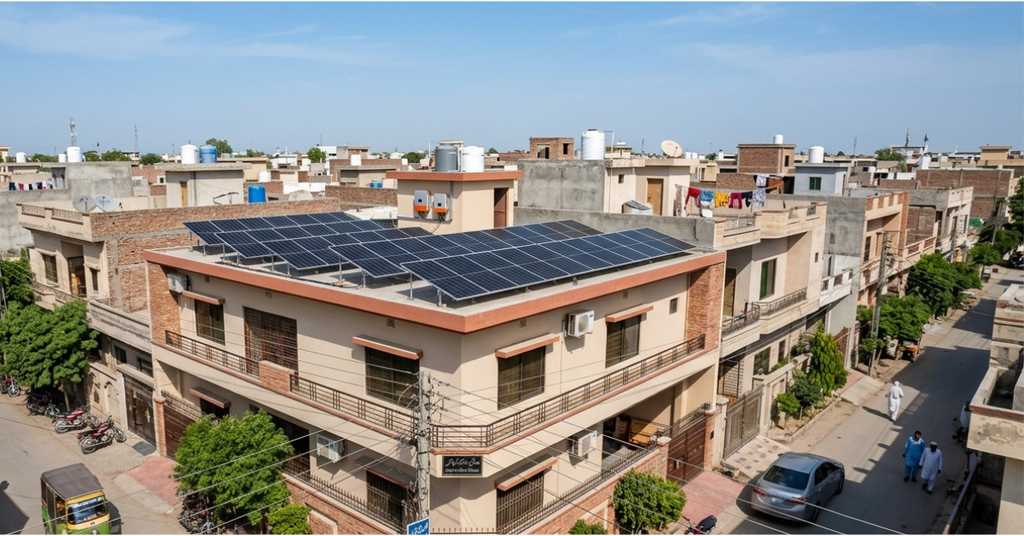
High electricity tariffs pushed people toward solar. So did falling solar costs and worries about grid reliability. Residential systems account for 44% of distributed-solar capacity. Industry follows at 26%, agriculture at 21%, and commercial users at 9%. Farmers, in particular, use solar widely for irrigation and pumping. It often replaces diesel generation or cuts reliance on the grid.
Sources of Renewable Energy in Pakistan
Four major renewable sources shape renewable energy in Pakistan mix.
- Hydropower: the largest and oldest source, drawing on rivers fed by glacial melt and monsoon rainfall.
- Solar power: the fastest-growing source, led by distributed rooftop and off-grid systems rather than utility-scale solar farms.
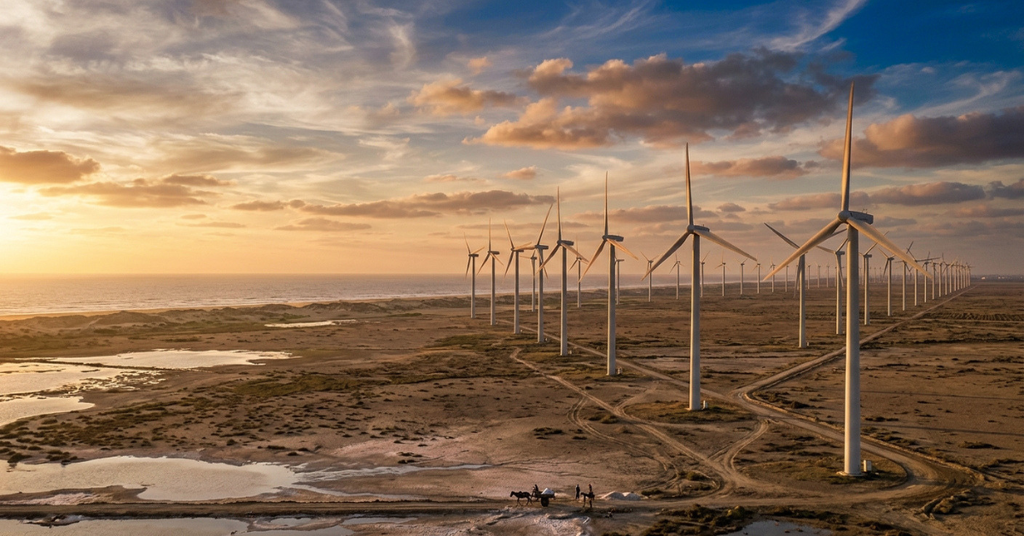
- Wind power: concentrated in the Gharo-Jhimpir corridor in Sindh, a wind corridor generally rated among the more commercially attractive in South Asia. Still, wind farms have grown far more slowly than solar.
- Biomass: smaller in scale, but relevant for rural and agricultural energy needs, particularly for heating and cooking.
Pakistan also has strong solar resources. Most assessments put average solar insolation at around 5.5 kWh per square meter per day across much of the country. On top of that, many regions get 1,500 to 3,000 sunshine hours a year.
Renewable Energy Policy and 2035 Targets
The Alternative Energy Development Board (AEDB) was set up in 2003 to promote renewable energy development. It gained statutory legal backing through the AEDB Act of 2010. Then, in 2023, AEDB was merged into the Private Power and Infrastructure Board (PPIB). PPIB now handles the relevant alternative and renewable energy functions.
In September 2025, Pakistan submitted its updated Nationally Determined Contribution (NDC 3.0) under the Paris Agreement. It commits to cutting projected 2035 greenhouse gas emissions by 50%, measured against a business-as-usual baseline. Of that, 17 percentage points come from Pakistan’s own resources, unconditionally. The remaining 33 points depend on international climate finance, technology transfer, and capacity support. For more on how this fits into the country’s broader climate commitments, see our Pakistan climate policy overview.
On energy specifically, NDC 3.0 sets an installed-capacity target, not a generation-share target. That target is roughly 62 to 69% renewable and clean energy by 2035. In absolute terms, this means about 38.5 GW of renewables, including hydropower, or 62% of the planned installed-capacity mix. It also means about 43.2 GW of total clean-energy capacity, renewables plus nuclear, or 69% of that mix.
Opportunities in the Renewable Energy Sector
The potential of renewable energy in Pakistan goes well beyond current output.
- Untapped solar and wind capacity: most of the country’s solar irradiance and wind corridors remain undeveloped at utility scale.
- Falling import costs: Pakistan’s fuel import bill has run into the tens of billions of dollars in recent years. It topped $23 billion in FY22, for example. Greater use of domestic renewable power can reduce that exposure.
- Micro-hydropower: an estimated 3,100 MW of micro-hydropower potential exists across more than 800 sites nationwide, much of it in the north.
- Off-grid electrification: distributed solar can extend electricity access in areas where grid expansion is limited or unreliable.
- Green financing: the State Bank of Pakistan’s green energy financing scheme is designed to make renewable projects more accessible to smaller developers and households.
Challenges Facing the Sector
Growth this fast creates its own problems.
- Grid and transmission limits: Pakistan’s transmission network wasn’t built for today’s pace of distributed-solar growth. Congestion is a recurring constraint.
- Data gaps: officially, renewable capacity looks far smaller than it actually is, because distributed and off-grid solar is undercounted in national statistics.
- Financing barriers: utility-scale projects still face high financing costs and slow approval processes.
- Institutional capacity: PPIB, NEPRA, and other relevant power-sector institutions need enough technical and regulatory capacity to manage distributed generation, net metering, storage, grid integration, and procurement.
- Policy fragmentation: overlapping federal and provincial energy policies complicate project approval and planning.
Even so, the scale of household, agricultural, and industrial solar adoption shows that distributed clean-energy technologies have moved well beyond niche deployment in Pakistan.
Why This Matters for Pakistan
The case for renewable energy in Pakistan isn’t only environmental. It’s economic and strategic too.
Germanwatch’s Global Climate Risk Index has repeatedly ranked Pakistan among the countries most affected by extreme weather. In the edition covering 1999 to 2018, it placed Pakistan 5th globally, based on lives lost and economic damage from floods, heatwaves, and storms. Meanwhile, the country’s energy system still depends heavily on imported fuel. That combination leaves Pakistan exposed on two fronts at once: rising climate risk and vulnerable energy supply.
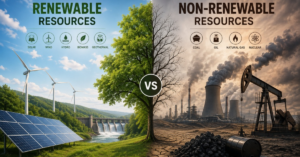
Domestic renewable capacity addresses both problems at once. It reduces exposure to imported fuel price shocks. At the same time, it cuts the emissions driving the climate risks Pakistan already faces. For a broader comparison of cost, emissions, and reliability, see our full breakdown on renewable vs. nonrenewable resources. Global capital flows into clean energy are also part of this picture, covered in our clean energy investment analysis. And for more on how import dependence shapes national vulnerability, see our energy security guide.
The Future of the Sector
If current momentum holds, Pakistan’s power mix will look very different by 2035. NDC 3.0 targets roughly 62 to 69% of the planned installed-capacity mix from renewable and clean energy sources. However, distributed solar has already expanded much faster than earlier forecasts expected. That creates new challenges for planning and grid management.
The bigger question isn’t whether renewable energy keeps growing. It’s whether grid infrastructure, financing systems, and data collection can keep pace. Right now, the market is moving faster than policy can track it.
Key Takeaways
- Ember’s April 2026 data shows clean sources (renewables plus nuclear) supplying 55% of Pakistan’s electricity. Fossil fuels sit at 45%, and solar plus wind alone make up 22%.
- Distributed rooftop solar reached roughly 38 GW of installed capacity by the latest Ember and Renewables First estimate, driven mainly by households, industry, and agriculture.
- NDC 3.0, submitted in September 2025, targets a 62 to 69% renewable and clean-energy share of installed capacity by 2035. That’s about 38.5 GW of renewables and 43.2 GW of total clean-energy capacity.
- Hydropower remains Pakistan’s largest established renewable resource, while solar is by far the fastest-growing.
- Grid limits, data gaps, and financing barriers remain the biggest obstacles to sustaining this pace.
Conclusion
Renewable energy in Pakistan is increasingly a distributed, consumer-driven story, not just a utility-scale one. Current data shows clean sources already supplying more than half of the country’s electricity. Meanwhile, rooftop solar has expanded rapidly, largely outside official statistics. The opportunities are real. So are the gaps in grid capacity and data that come with growing this quickly. In the end, what happens next depends less on whether Pakistan can build more renewable capacity. It depends more on whether infrastructure and institutions can keep pace with what households, businesses, and farmers are already building on their own.
FAQs
1. What percentage of Pakistan’s electricity comes from renewable sources?
As of Ember’s April 2026 update, clean sources, meaning renewables plus nuclear power, supply 55% of Pakistan’s electricity. Fossil fuels make up the remaining 45%. Solar and wind alone contribute 22% of generation. Older NEPRA figures citing 7% refer to installed utility-scale capacity in 2022, not current generation. They also don’t count the tens of gigawatts of distributed solar added since.
2. What are the main renewable energy sources in Pakistan?
Hydropower, solar, wind, and biomass make up Pakistan’s renewable energy mix. Hydropower remains the largest source historically, while solar, particularly distributed rooftop solar, is now the fastest-growing.
3. What are the opportunities and challenges of renewable energy in Pakistan?
Opportunities include untapped solar and wind capacity, micro-hydropower potential, and reduced fossil-fuel import costs. Challenges, on the other hand, include grid and transmission limits, financing barriers, incomplete official data, and the institutional capacity needed to manage rapid growth.
4. What is the potential of renewable energy in Pakistan?
Pakistan has strong solar resources. Average solar insolation is commonly estimated at around 5.5 kWh per square meter daily in many parts of the country. On top of that, Sindh has a strong wind corridor, and the north holds an estimated 3,100 MW of untapped micro-hydropower potential.
5. Why does renewable energy matter for Pakistan specifically?
Germanwatch’s Global Climate Risk Index has ranked Pakistan among the world’s most climate-vulnerable countries, placing it 5th globally for 1999 to 2018. Meanwhile, the country remains heavily dependent on imported fossil fuels. Renewable energy addresses both risks together: it cuts import exposure and reduces the emissions driving those climate impacts.
6. What is AEDB and what does it do?
AEDB was Pakistan’s federal body for promoting alternative and renewable energy, established in 2003. It was merged into PPIB in 2023, so it’s no longer a separate federal agency. That said, its functions around renewable project facilitation continue under PPIB.