| Quick Answer: Why is it important to conserve natural resources? We conserve natural resources because people, food, jobs, and nature all depend on them. Water, soil, forests, fuels, and minerals are limited or slow to recover. If we waste them, prices rise, ecosystems weaken, and future generations get less. Smart use keeps supply stable, cuts pollution, and protects the climate. |
Imagine a bank account with no deposits. You only spend. How long would it last?
Natural resources work the same way. We take from nature every day. Some resources refill on their own. Many do not, or they refill very slowly. So the question is a serious one: why is it important to conserve natural resources?
This guide answers a key question: why is it important to conserve natural resources? You will see seven main reasons, simple facts, and easy actions. You will also learn why it matters to conserve water, soil, minerals, and non-renewable resources.
What Does It Mean to Conserve Natural Resources?
We should take only what we need, avoid unnecessary waste, and make better use of available resources through reuse and recycling. Protecting what remains will help preserve natural resources for future generations.
Natural resources are things nature gives us. They include:
- Water and air
- Soil and land
- Forests and wildlife
- Fossil fuels like coal, oil, and gas
- Rocks and minerals like iron, copper, and sand
- Sunlight and wind
Conservation does not mean we stop using them. It means we use them in a way that lasts. The question Why is it important to conserve natural resources? helps us think about the choices we make every day
Types of Natural Resources
| Type | Examples | Why it needs care |
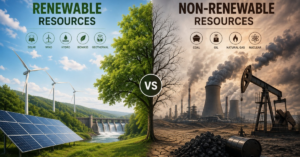
| Renewable | Sunlight, wind, rainwater | Supply refills, but not if we waste or pollute it |
| Slowly renewable | Forests, soil, groundwater, fish | Recovery takes years or even centuries |
| Non renewable | Coal, oil, gas, metals, minerals | They took millions of years to form |
Conservation vs Preservation
People often mix these two terms. Conservation means using resources wisely so they last. Preservation means leaving nature untouched, like a protected national park. Both matter. Most countries use a mix of the two. Our guide on conservation of natural resources explains this in more detail.
7 Reasons Why Natural Resource Conservation Is Important
Here are seven reasons that answer the question: Why is it important to conserve natural resources? Each one links to daily life.
1. Many Resources Are Limited
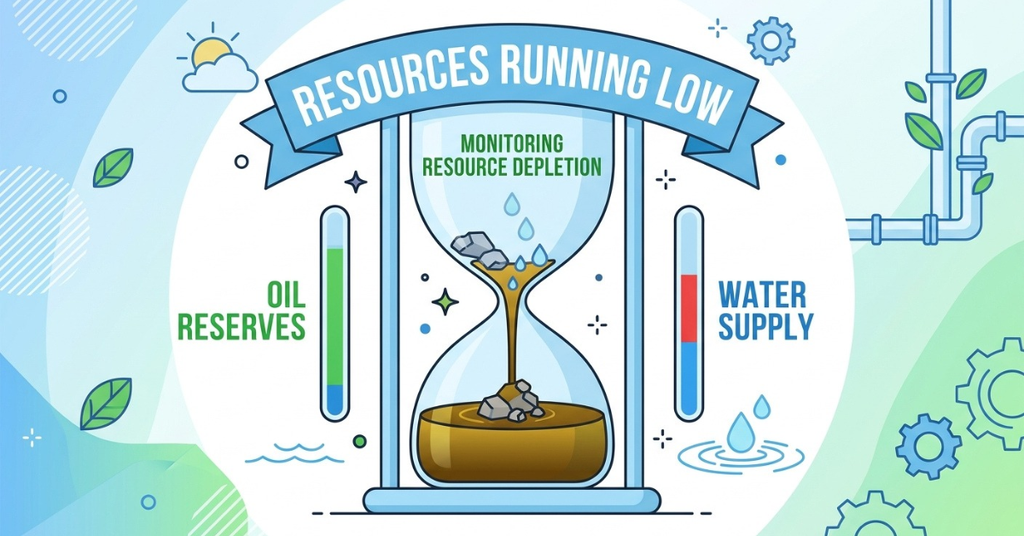
Coal, oil, gas, and metals took millions of years to form. We use them much faster than nature can make them. Once a mine or well runs dry, that supply is gone for human timescales.
2. Resource Use Is Growing Fast
The UN Environment Programme’s International Resource Panel reports that global resource extraction has tripled in the last 50 years. It also warns that extraction could rise by about 60 percent by 2060 compared with 2020 if nothing changes. You can read the findings in the Global Resources Outlook. That is a lot of pressure on one planet.
3. Extraction Drives Climate Change
Digging, drilling, and processing materials use huge amounts of energy. UNEP’s resource reports link extraction and processing to roughly half of global greenhouse gas emissions or more, depending on how land use is counted. Using less means fewer emissions. That is why conservation is also climate action.
4. Nature and Wildlife Need Protection
Mining, logging, and farming can destroy habitats. The same UNEP work links resource extraction and processing to most land-related biodiversity loss and water stress. When forests and wetlands vanish, many species lose their homes. People lose clean air, clean water, and natural flood protection too.
5. Water and Food Security Depend on It
People cannot live without water and food. Both rely on healthy soil, rivers, and aquifers. If we overuse them, harvests fall, and prices rise. Poor families feel it first.
6. It Saves Money and Supports Jobs
Efficient use is cheaper. Factories that reuse materials spend less on new supplies. Homes that save energy and water pay lower bills. Recycling and repair also create local jobs.
7. It Protects Future Generations
This is the heart of the issue. Children born today will need water, food, and energy for decades. If we use up everything now, they inherit scarcity. We explain this more below.
What Happens If We Do Not Conserve Natural Resources?
The cost of waste shows up fast. Here is what can happen:
- Shortages. Supplies of water, fuel, and some minerals can run low.
- Higher prices. Scarcity can push up the cost of food, energy, and imported materials.
- Health risks. The WHO says better access to water, sanitation, and hygiene could save about 1.4 million lives every year.
- Stronger disasters. Lost forests, wetlands, and healthy soil weaken natural protection against floods and droughts.
- Tension over shared resources. Rivers and farmland become harder to share when supply shrinks.
Why Is It Important to Conserve Nonrenewable Resources?
Nonrenewable resources cannot be replaced within a human lifetime. Fossil fuels and many minerals are the main examples.
Here is why saving them matters:
- Supply is finite. Every barrel burned is gone.
- Burning fuels adds carbon. This warms the planet.
- Prices swing. Countries that depend on imported fuel face shocks when supply is disrupted.
- Mining leaves scars. Land, water, and air can be damaged.
The smart path is to cut waste and shift toward clean energy over time. Our guide on renewable vs. nonrenewable resources explains the difference in simple terms. This also brings us back to the question: why is it important to conserve natural resources, especially when supplies are limited?
Why Is It Important to Conserve Water?
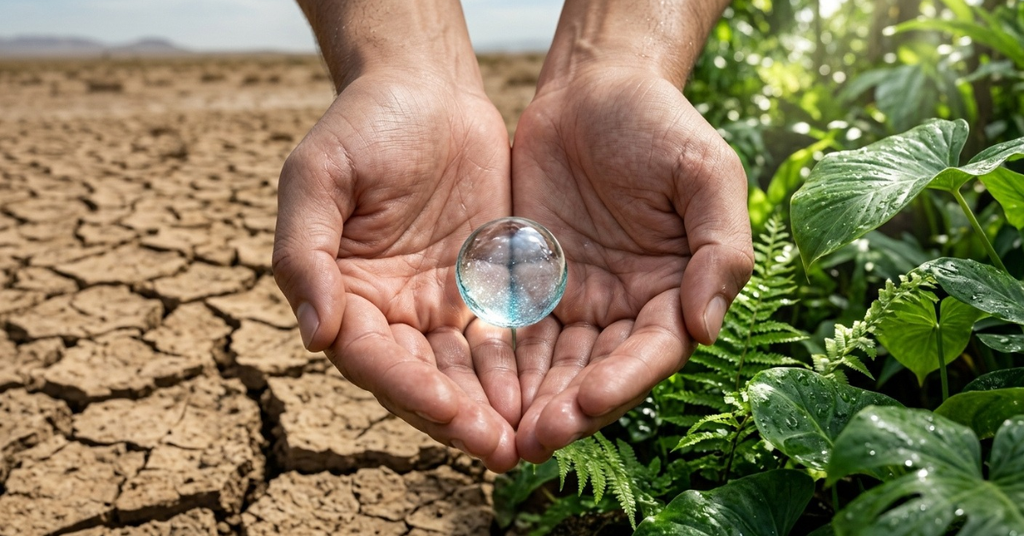
Water is the clearest example of why conservation matters. It also answers the question: why is it important to conserve natural resources in daily life?
According to UN data, about 2.2 billion people still lack safely managed drinking water. A 2026 report from the UN University’s Institute for Water, Environment and Health also says about 4 billion people face severe water scarcity for at least one month each year. You can read the details in the UNU-INWEH water report.
The same report notes that roughly 70 percent of freshwater withdrawals go to agriculture. It also says around 70 percent of major aquifers show long-term decline. In plain words, we are pulling water out faster than it comes back in many places. Catching rain is one practical fix, and rainwater harvesting shows how it can ease water scarcity.
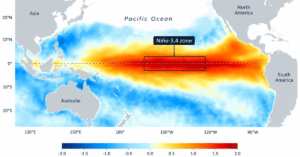
Weather makes it harder. Droughts and floods both stress water systems. Our article on Super El Niño 2026 shows how climate swings affect rainfall. Better early warning also helps communities prepare, as shown in our piece on flood forecasting in Pakistan.
Simple ways to save water:
- Fix leaking taps and pipes
- Take shorter showers
- Collect rainwater for gardens
- Water plants early in the morning
- Use drip irrigation on farms
Why Is It Important to Conserve Soil?
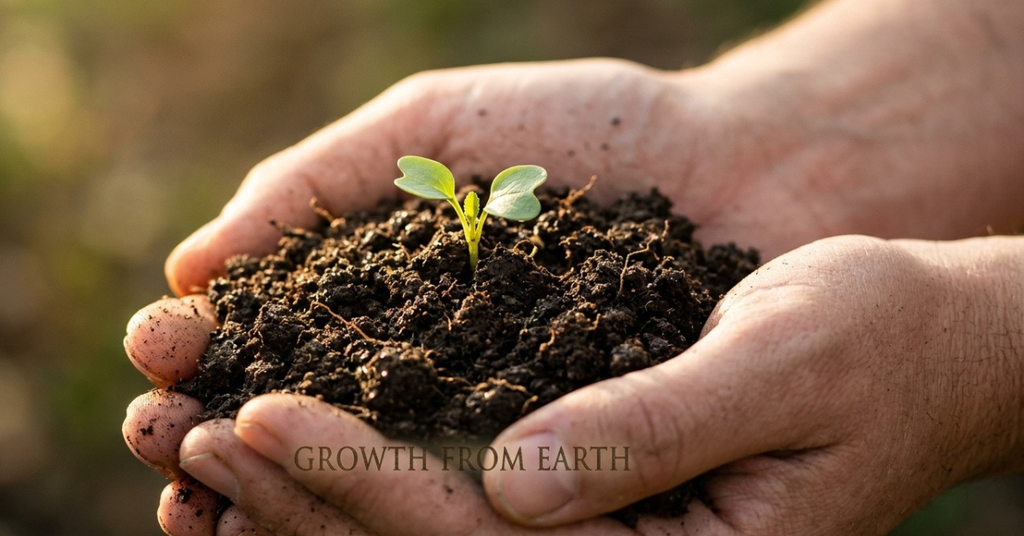
Soil looks plain, but it is alive. It holds water, stores carbon, and grows almost all our food.
Soil forms very slowly. It can take hundreds of years to build a few centimeters. Yet it can wash or blow away in a single season. The UN University report says more than half of global agricultural land is now moderately or severely degraded. Degraded soil holds less water. That raises drought and desertification risk.
How to protect soil:
- Plant trees and cover crops
- Avoid overgrazing
- Rotate crops
- Use less chemical fertilizer
- Leave crop residue on fields
Why Is It Important to Conserve Rocks and Minerals?
Rocks and minerals build our world. Sand, gravel, and clay go into roads and homes. Metals like copper, lithium, and cobalt go into phones, wires, and batteries.
These materials are not endless. Mining them takes energy and can harm land and water. UNEP reports that extracting and processing fossil fuels, metals, and non-metallic minerals together account for about 35 percent of global emissions.
We can ease the pressure by:
- Recycling metals, glass, and electronics
- Repairing devices instead of replacing them
- Designing buildings to last longer
- Reusing construction materials
Clean energy still needs minerals. So smart recycling will matter even more in the years ahead.
Why Is It Important to Conserve Natural Resources in Pakistan?
Pakistan shows the issue clearly. Pakistan’s Economic Survey 2025-26 reports that per capita water availability has dropped below 1,000 cubic meters a year. That is the level often used to mark water scarcity. Pakistani media citing the UN World Water Development Report 2026 and WHO/UNICEF estimates say around 55 percent of people lack safely managed drinking water. Figures differ a little between sources, but they all point the same way.
Rainfall is also uneven. The same survey says monsoon rain in 2025 was 22.6 percent above normal. Post-monsoon rain was 19.7 percent lower, and winter rain was 9.6 percent below average. Too much water in one season and too little in the next makes storage and careful use very important.
The government has approved rainwater harvesting provisions under the Building Code of Pakistan. Farmers can start with our guide to rainwater harvesting for agriculture. Homes, farms, and cities can add to this effort:
- Store rainwater for gardens and cleaning
- Protect groundwater from over-pumping and pollution
- Use drip or sprinkler irrigation instead of flooding fields
- Plant native trees to hold soil and cool cities
- Cut energy waste to reduce fuel imports
Why Is It Important to Conserve Natural Resources for Future Generations?
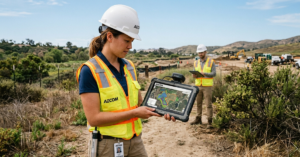
Technology also plays an important role in conserving natural resources. GIS mapping and satellite imagery help monitor forests, water bodies, and land degradation. These technologies allow experts to identify environmental changes, track resource loss, and plan better conservation strategies. This helps protect natural resources and ensure their availability for future generations.
Future generations will need:
- Clean drinking water
- Fertile land for food
- Affordable energy
- A stable climate
- Healthy forests and oceans
When we conserve, we keep those options open. This idea is called sustainability. It means meeting today’s needs without harming tomorrow’s.
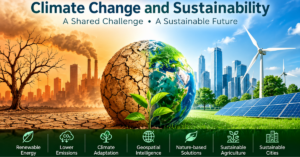
Climate tools now help leaders plan better. For example, climate intelligence uses data and maps to guide smarter decisions about land, water, and risk.
Who Should Conserve Natural Resources? Individuals, Businesses, and Governments
Conservation works best when everyone plays a part. Their actions offer a practical answer to the question: Why is it important to conserve natural resources at home, at work, and across communities?
- Individuals save water and energy, cut waste, recycle, and choose durable products.
- Businesses reuse materials, design products to last, and track their resource use.
- Governments set rules, protect forests and water sources, price resources fairly, and fund clean energy.
Technology helps too. Satellite maps and geospatial data show where forests shrink, where water supplies decline, and where land degrades. Leaders can then act sooner and target the right places.
How Technology Helps Conserve Natural Resources
Technology makes natural resource conservation more effective by helping experts monitor environmental changes and identify areas that need protection. It also helps answer the question, why is it important to conserve natural resources? Through informed planning and timely action.
GIS mapping: Geographic Information Systems (GIS) map forests, rivers, lakes, farmland, and other natural resources. These maps show where resources are being lost. They also help leaders plan conservation in the right places.
Remote sensing: Satellite images track deforestation, changes in water bodies, land degradation, and vegetation cover across large areas. Comparing images over time shows how fast change is happening.
Environmental monitoring: GIS, satellite data, and other tools track changes in land, water, and ecosystems. This supports early action against damage. It also helps governments and organizations make informed decisions.
This is the kind of work we do at AI Geo Navigators. We use geospatial data, satellite imagery, and AI to turn raw data into clear maps and insights about land, water, and climate risk. Our goal is to help decision-makers act on evidence, not guesses.
Together, these tools help protect natural resources, reduce environmental damage, and support sustainable development.
Short Answer: Why Is It Important to Conserve Natural Resources?
Answer: Conserving natural resources matters because they are limited, support all life, and must last for future generations. Conservation reduces pollution, protects wildlife, saves money, and keeps water, soil, and energy available.
Key points to remember:
- Resources are limited.
- Overuse harms nature.
- Saving resources protects the climate.
- Future generations need them too.
- Conservation saves money.
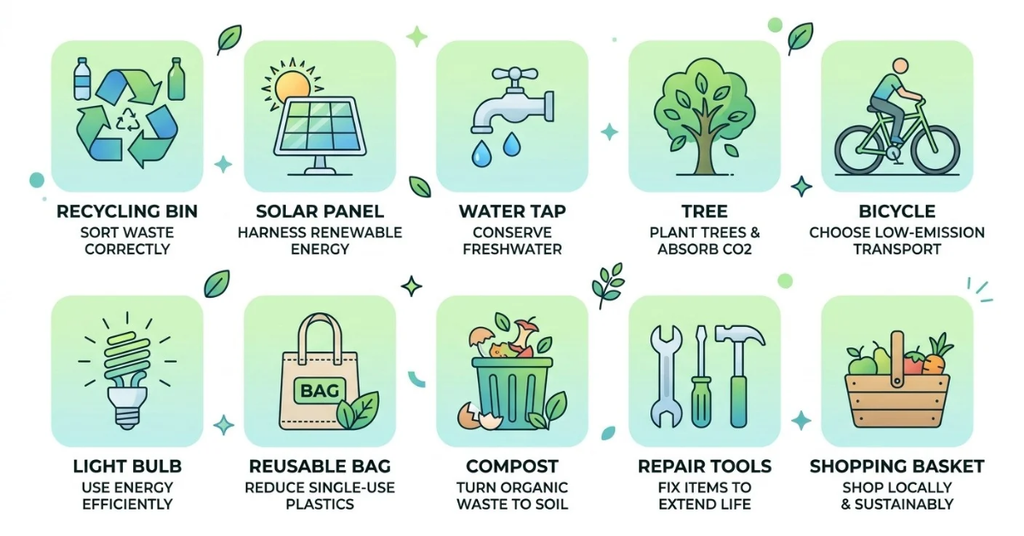
10 Ways to Conserve Natural Resources
- Save water. Fix leaks and use only what you need.
- Save energy. Switch off lights and use efficient appliances.
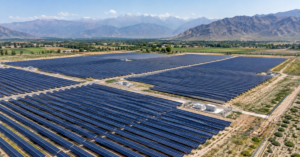
- Use clean energy. Solar and wind reduce fuel use.
- Reduce waste. Buy only what you need.
- Reuse items. Use bags, bottles and containers again.
- Recycle. Sort paper, plastic, glass and metal.
- Plant trees. They protect soil and store carbon.
- Walk, cycle or share rides. This cuts fuel use.
- Avoid food waste. Plan meals and store food well.
- Repair before replacing. Fixing things saves materials.
Conclusion
So, why is it important to conserve natural resources? Because everything we need comes from them. Water, soil, fuel, and minerals are not endless. Using them too fast harms the climate, nature, and our future.
The good news is that small actions work. Save water. Cut waste. Recycle. Support clean energy. Teach others. When many people do these things, the impact is big.
Start with one habit today. Your choice helps protect resources for the next generation.
FAQs
Why do we need to conserve natural resources?
We need natural resources for water, food, shelter, and energy. Many are limited or slow to recover. Conservation keeps supply steady, protects nature, and helps future generations. It also lowers pollution and saves money for families and governments.
What does it mean to conserve natural resources?
It means using resources wisely so they last. We take only what we need, cut waste, reuse materials, and recycle. We also protect forests, water sources, and soil. The goal is not to stop using resources. The goal is to use them in a lasting way.
What are the 10 importances of natural resources?
Natural resources give us water, food, energy, shelter, and raw materials. They also support jobs, trade, health, wildlife, and climate balance. Forests clean air. Soil grows crops. Rivers supply water. Minerals build homes and devices. Without them, daily life and economies would not function.
What are 10 ways to conserve natural resources?
Save water and energy. Use solar or wind power. Reduce waste, reuse items, and recycle. Plant trees. Use public transport or walk. Avoid food waste. Repair instead of replacing. Buy durable products. Each small step lowers pressure on nature and adds up when many people act.
What happens if we do not conserve natural resources?
Supplies of water, fuel, and minerals can run low. Prices rise, and poorer families feel it first. Forests, wetlands, and soil weaken, so floods and droughts hit harder. Health also suffers when safe water is hard to find. Early action is cheaper than fixing damage later.
What is the difference between conservation and preservation?
Conservation means using natural resources wisely so they last. Preservation means protecting nature from human use, such as in a national park. Conservation allows careful use of forests, water, or minerals. Preservation keeps an area as untouched as possible. Many countries use both approaches to protect nature and meet human needs.
Why Is Natural Resource Conservation Important for Sustainable Development?
Natural resource conservation is important for sustainable development because it protects essential resources such as water, forests, soil, and minerals for present and future generations. It maintains ecological balance, reduces environmental damage, supports biodiversity, and helps ensure long-term economic and social well-being. By using resources responsibly, societies can meet today’s needs without compromising the ability of future generations to meet theirs.