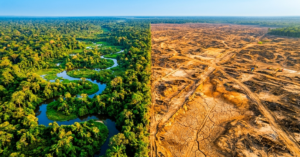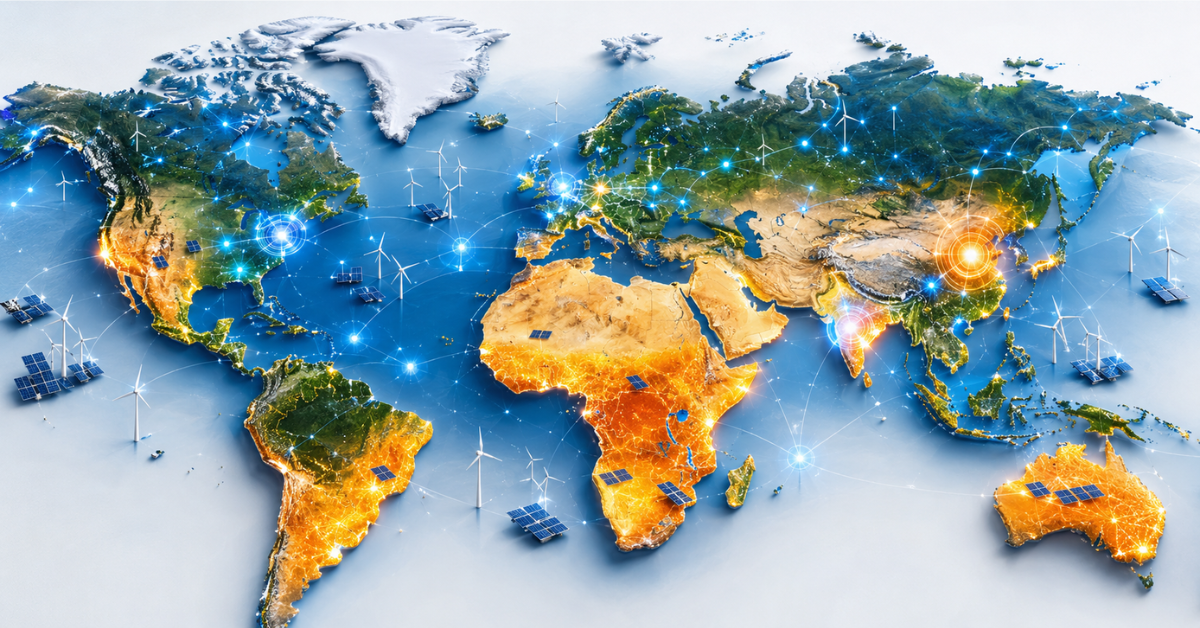
| Clean energy investment reached a record $2.3 trillion in 2025, surpassing fossil fuel investment for the first time. Driven by rapid growth in solar power, battery storage, electric vehicles, and grid modernisation, clean energy is reshaping the global economy, creating millions of jobs, strengthening energy security, and accelerating the transition toward net-zero emissions. However, developing countries still face a significant investment gap, requiring stronger climate finance and policy support to achieve global climate goals. |
Clean energy is energy generated from renewable and non-polluting sources. These sources include solar, wind, hydro, and nuclear. According to BloombergNEF, global clean energy capital flows hit a new high of $2.3 trillion in 2025. It increased 8% from 2024. For the first time, spending on clean energy overtook that of fossil fuels. This is making it possible to reinvent the way the global economy functions. It also signifies the employment of people and the handling of climate-related risks.
This sector now commands the largest share of global energy capital in the world, as well as in its history. Additionally, this change has come faster than many of the predictions made five years ago. Who is gaining the most from it, and where the most pertinent deficiencies are found.
This article has the most current information, including accurate data and emerging technologies. Moreover, it discusses the economic possibilities and the persistent threats that keep the most at-risk nations starved of investment.
| By the NumbersClean Energy Investment at a Glance$2.3 trillion invested globally in clean energy in 20258% year-over-year investment growth compared to 2024$5.6 trillion per year needed by 2030 to stay on track for net-zero emissions by 205040% of global clean energy investment came from China15% of global clean energy funding reached emerging markets and developing economies |
What is clean energy and why is it now the world’s fastest-growing investment sector?
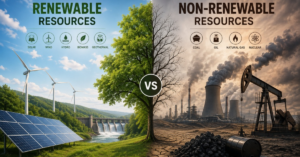
Clean energy is the fastest-growing energy investment sector. This energy is created from sources that have little or no greenhouse gas emissions. This includes most renewable energy resources. Because these resources do not have greenhouse gas emissions, they are critical to the efforts to meet net-zero emissions. This will result in combating climate change.
Capital flowing into the sector has tripled over the past 15 years due to three trends. Firstly, the cost of clean energy has dramatically decreased. Secondly, the returns of clean energy have significantly increased. Thirdly, governments have created strong industrial policies to help develop the sector. Solar energy and lithium-ion batteries have made clean energy more cost-competitive. In the last decade, the cost of solar energy decreased by 90%. Additionally, the cost of battery storage decreased by 40% in 2024 (IEA World Energy Investment 2025). Consequently, clean energy projects are economically more attractive than fossil fuels.
The remarkable history of clean energy investment growth
After the 2015 Paris Agreement, in which nearly all countries committed to limiting global warming to under 2°C, clean energy investment began growing even more rapidly. In the early 2020s, there was an explosion in investment due to the combination of the post-COVID stimulus packages.
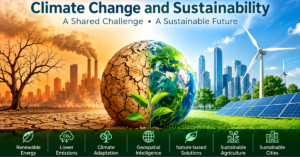
Now, the amount of investment in clean energy is more than the amount of investment in fossil fuels. Without the substantial increase in funding in clean energy, the gaps in technology and research would continue to grow. The impact of global warming and climate change on accelerating the economic arguments of decarbonization represents its importance. Decarbonization extends beyond just the environment, and increasing the funding in clean energy shows that it is vital economically.
Understanding why this moment is historically significant requires knowing just how dramatically global warming and climate change are accelerating the economic case for decarbonization. The urgency is not just environmental. It is increasingly financial and strategic.
What counts as clean energy investment today
Clean energy investment today covers a remarkably broad range of capital flows. It is far wider than simply building solar farms or wind turbines. According to BloombergNEF’s Energy Transition Investment Trends framework, the full scope includes:
- Renewable power generation (solar, wind, hydro, geothermal)
- Battery and grid-scale energy storage systems
- Power grid modernization and transmission infrastructure
- Electric vehicles and charging infrastructure
- Green hydrogen production and distribution
- Nuclear power development and advanced reactor programs
- Energy efficiency upgrades in buildings, transport, and industry
- Carbon capture, utilization, and storage (CCUS) technology
- Clean energy supply chain manufacturing
Together, these sectors absorbed $2.3 trillion in global investment in 2025 (BloombergNEF). It represents a doubling of investment levels since 2020 and a powerful signal that the energy transition is entering its mainstream phase.
How much is the world actually investing in clean energy right now?
According to BloombergNEF, funding for the transition reached an unprecedented $2.3 trillion in 2025, an 8% increase over 2024. Worldwide investments in energy for that year reached $3.3 trillion. It means that in 2025, approximately two-thirds of the world’s energy investments were in clean energy. Investments in solar photovoltaic technologies exceeded $500 billion in 2024, surpassing all other methods of energy generation combined.
Record-breaking investment figures for 2025
The 2025 figures confirm that clean energy investment has entered a new era of scale. According to the IEA World Energy Investment 2025 report, total power sector investment grew 8% to $1.5 trillion in 2024, driven overwhelmingly by clean power generation and battery storage. Solar PV and wind now account for 98% of all growth in electricity generation investment over the past decade.
Furthermore, the largest slice of transition-related capital went to electrified transport. Investments in electric vehicles and charging infrastructure were $893 billion in 2025, a 21% increase from 2024 (BloombergNEF). Investments in battery storage surpassed $50 billion in 2024, reflecting an increase of greater than 20% year on year.
Clean energy debt issuance reached $1.2 trillion, with a 20% increase in both corporate and project finance. Resultantly, the financing structure of clean energy is evolving and becoming a more flexible and deeper mechanism for finance.
Which regions are leading and which are dangerously behind
China continues to lead the world in clean energy investment, responsible for almost 40% of the world’s clean energy spending in 2024. That year, China added 360 gigawatts of wind and solar energy to the grid, more than half of the world’s total (World Economic Forum, 2025). In 2024 and 2025, China’s CO2 emissions were flat or decreasing.
The United States is the second most significant clean energy investor. In 2025, investment in the United States increased by 3.5% to $378 billion (BloombergNEF), despite significant headwinds due to a policy change. In 2025, India made a historic advancement in total energy investments, reaching $150 billion, which included $101 billion in clean energy (WRI, 2025).
The uneven and unbalanced nature of these investments is alarming. In 2024, emerging markets and developing economies received 15% of the world’s clean energy expenditures, while most of the world’s population is located there, and these regions are projected to account for 80% of the growth in energy demand. Low- and lower-middle-income countries received just 7% of the globe’s clean energy funding in 2022, despite housing 40% of the world’s population. That large disparity is one of the gravest global energy problems today.
What are the most powerful clean energy technologies driving this transformation?
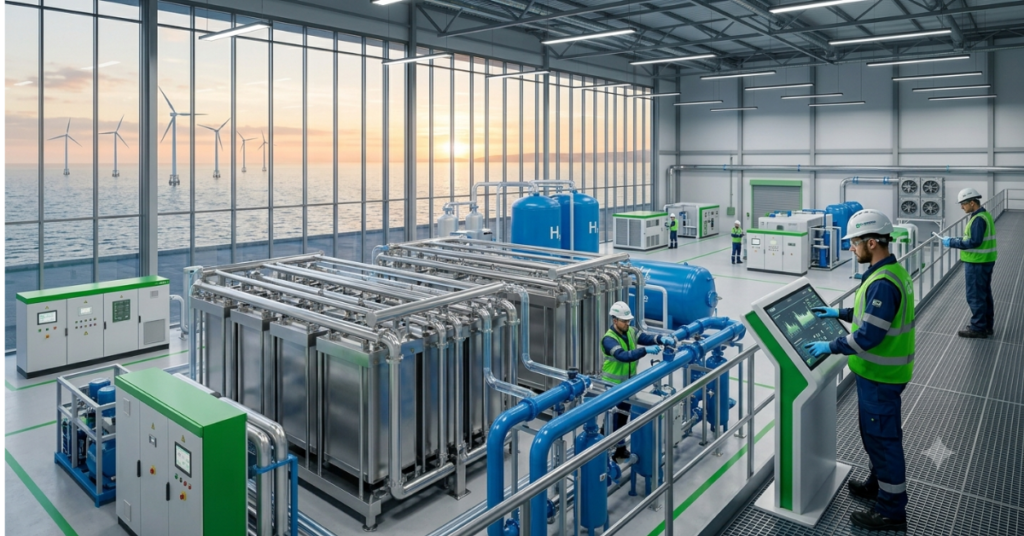
According to market value, the clean energy technologies leading the investment transformation globally are solar photovoltaics, battery energy storage, onshore and offshore wind, electric vehicles, and emerging technologies such as green hydrogen and advanced nuclear technologies. Solar PV investments were around $500 billion in 2024, the first year it surpassed all other electricity generation technologies. Since 2014, battery storage costs have declined around 90%, making the technology cost-competitive for universal application.
Solar power and battery storage leading the charge
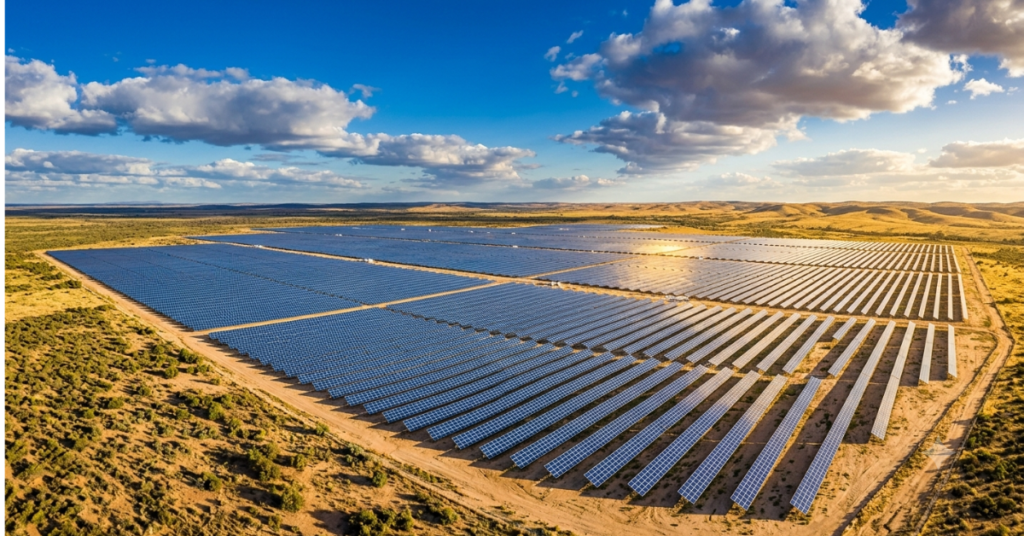
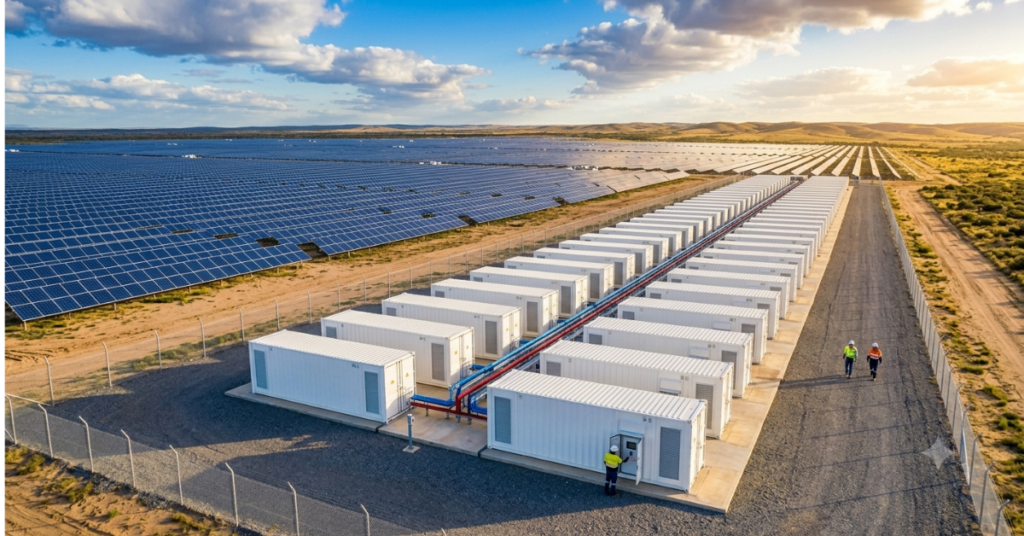
Solar power leads the clean energy investment boom by a wide margin. New solar capacity is added more quickly and more economically than any other technology, and it continues to drive down costs more quickly than other technologies. In 2024, solar power systems provided more than 90% of all the new electricity generation capacity built around the world, a capacity metric distinct from the investment-growth share cited above (WRI, 2025). Solar systems are also increasingly being deployed with battery systems to provide energy with even greater reliability when the sun is not shining.
Battery storage coupled with solar addresses the intermittency of the clean energy transition. Because of the rapid decline in costs, the U.S., China, Europe, and even more so, the Global South, are building battery storage systems at an unprecedented scale. In 2024, investment in battery storage systems was more than $50 billion, representing an increase of over 20% in a single year. That pace of investment is also expected to continue.
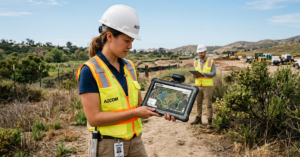
Remote sensing and satellite analytics are increasingly essential tools for identifying optimal solar and wind development sites, monitoring operational renewable infrastructure, and tracking land use impacts. Geospatial intelligence is quietly becoming a critical enabler of the clean energy buildout.
Wind, green hydrogen, and the nuclear comeback
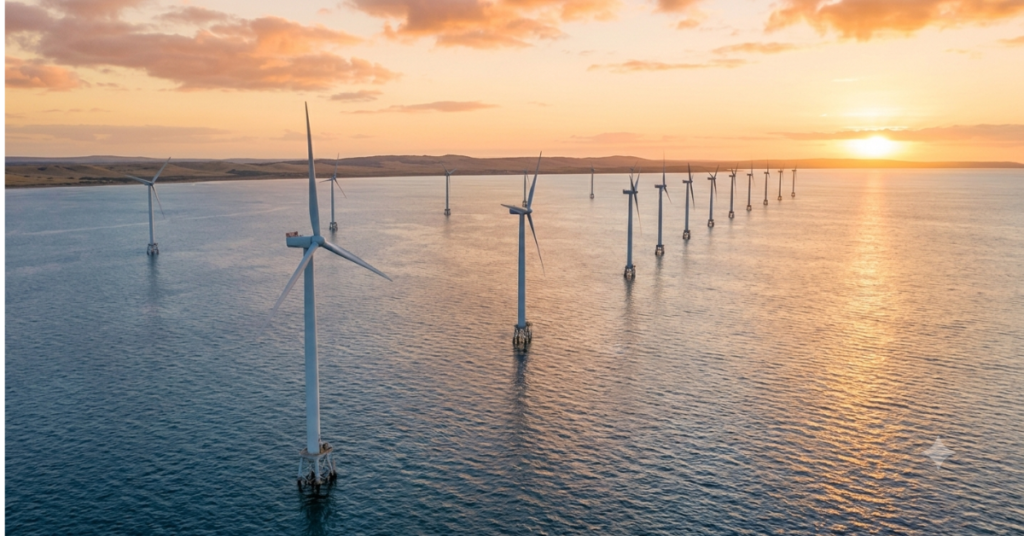
Wind power is the most important resource in the clean energy transition and continues to attract hundreds of billions of dollars a year in investment. Wind, both onshore and offshore, will continue to be a critical part of the energy system. Even with anticipated slowdowns in specific markets, there is tremendous untapped potential with offshore wind. Resources are stronger offshore and can be delivered to the urban populations in coastal areas.
Green hydrogen, created from renewable energy-powered electrolysis of water, is in the exciting but challenging new frontier of clean energy. In 2025, investments in green hydrogen were only $7.3 billion (BloombergNEF). The potential to decarbonize heavy industry, as well as shipping and aviation, is huge, but costs will need to decrease.
After a decades-long hiatus in investment, there is a true nuclear renaissance. Small Modular Reactors (SMRs) and other advanced nuclear concepts are now a serious government investment and research focus to provide reliable and zero-emission baseload power. Investment in nuclear energy reached $36 billion during 2025 and new projects are proliferating in the US, UK, Canada, and Asia.
Does your organization need to understand where clean energy and climate risk intersect? Explore the full range of geospatial intelligence, climate analytics, and environmental sustainability services at AI Geo Navigators. Smarter data supports smarter investment decisions.
How does clean energy investment create jobs and reshape the global economy?
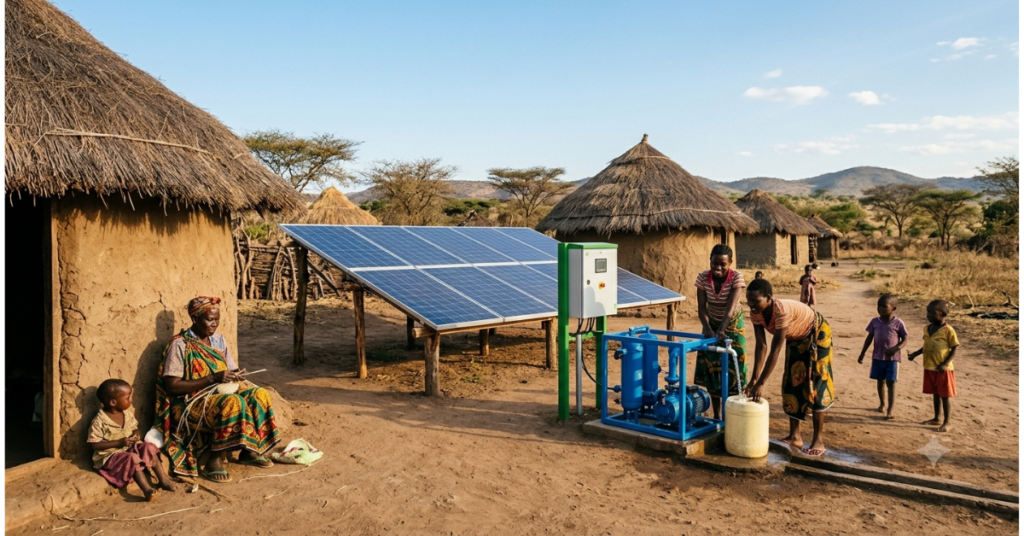
Clean energy investment is now one of the most powerful drivers of job creation globally. According to the International Renewable Energy Agency, the renewable energy sector employed 16.2 million people worldwide in 2023, a figure growing rapidly. Solar installation, wind turbine manufacturing, battery production, and EV assembly are generating millions of new jobs across both developed and developing economies, often in communities that previously depended on fossil fuel industries.
The clean energy jobs boom
The economic case for clean energy has shifted decisively beyond emissions reduction. Clean energy is now a major driver of industrial policy, manufacturing investment, and employment creation. The US Inflation Reduction Act, Europe’s Green Deal Industrial Plan, and China’s strategic industrial programs are all explicitly designed to capture clean energy manufacturing value chains and the jobs that come with them.
Moreover, clean energy jobs tend to be well-paying, locally rooted, and difficult to offshore. Solar installation, grid modernization, battery manufacturing, and EV production require skilled tradespeople and engineers who must work in-country. As a result, clean energy investment is increasingly seen by governments as a tool for domestic economic development, not just climate policy.
The ESG consulting services that link environmental strategy to business performance are seeing growing demand precisely because investors and corporations recognize that clean energy transition readiness is now a core element of long-term financial resilience.
How fossil fuel divestment is accelerating the shift
Fossil fuel investments are losing their economic and reputational viability at the same time clean energy is experiencing unprecedented growth. Investment in coal, oil, and gas fell to an estimated $1.1 trillion in 2025, the first decline since the pandemic. During this same time, global investment in oil refinery infrastructure reached a ten-year low in 2025 (IEA). These phenomena are not short-term. They are long-term trends resulting from the confluence of policy, new market conditions, and the evolving preferences and priorities of investors.
Fossil fuel divestment campaigns, combined with tightening emissions regulations and the rising cost competitiveness of renewables, are accelerating the redirection of capital. For communities and economies heavily dependent on fossil fuels, this transition creates both serious risks and genuine opportunities. The urgent reality of how climate change is forcing economic transformation reveals why managing this shift proactively, rather than reactively, is now a matter of economic survival for many regions.
Environmental sustainability consulting helps organizations navigate this transition by embedding decarbonization strategy into business planning, identifying clean energy opportunities, and managing the reputational and regulatory risks of continued fossil fuel dependency.
What alarming barriers are slowing clean energy investment in developing countries?
A serious obstacle to investment in clean energy in developing nations is a limited supply of affordable financing. Although emerging markets and developing economies constitute most of the world’s population and project the greatest increase in future energy demand, they received only 15% of the world’s clean energy expenditure in 2024. The costs of borrowing, currency risks, poor regulation, and a lack of institutional framework create a barrier to private sector investment in the energy projects that are most needed.
The shocking investment gap in emerging markets
The clean energy investment gap in developing nations is a major failing of the present energy system. In 2024, the financing offered to Sub-Saharan Africa (where 600 million people live without a reliable electricity supply) was only a small portion of global clean energy investment. The level of investment in Southeast Asia and Latin America also falls short of what is needed to meet their population and development demands, despite an abundance of renewable energy resources.
In stark contrast to developing nations, advanced economies and China received the bulk of clean energy investment, even though the greatest investment needs are in the countries that are most vulnerable to the impacts of climate change. The IEA calls this a dangerous paradox because vulnerable communities bear the highest costs of climate-driven disruption, and without clean, reliable energy, development stalls, climate adaptation weakens, and the risk of displacement and poverty grows.
Geospatial data production services play a critical role in identifying and quantifying clean energy potential in data-scarce regions, giving investors and development banks the high-quality site assessment data they need to evaluate projects with confidence.
How climate finance is trying to close the divide
Climate finance mechanisms, including the Green Climate Fund, multilateral development bank lending, and blended finance instruments, are working urgently to bridge the investment gap. However, the scale of available concessional finance remains far below what is needed.
The critical importance of climate finance for resilient communities in vulnerable regions makes clear that closing the financing gap is not a charitable act. It is a strategic imperative for global energy security, climate stability, and economic development.
Remarkably, innovative financing instruments are beginning to show what is possible. Green bonds, sustainability-linked loans, and first-loss guarantees from development finance institutions are starting to crowd in private capital to markets that would otherwise attract none. Nevertheless, the pace of progress remains far too slow relative to the scale of the challenge.
What does the future of clean energy investment look like through 2030 and beyond?
The World Economic Forum estimates that clean energy investment is expected to increase to $5.6 trillion annually in order to achieve net-zero emissions by 2050. Currently, investments are at $2.3 trillion annually. Although this is record-breaking, it is still under half of the target. Closing this gap will be the main challenge for the global energy transition over the next five years.
Where smart investors are putting capital right now
The most appealing investment opportunities in clean energy before 2030 are expected to be in a few distinct categories. Project development for solar and other storage technologies in emerging markets will have good risk-adjusted returns where the policies are more favorable. Advanced economies will have a huge public and private investment focus on the urgent need for modernized grids to integrate increasing renewable energy. The required infrastructure for electric vehicles is expanding across major markets.
Additionally, energy security is reshaping investment gaps in a way that overall promotes clean energy investments. Because clean energy is an asset with no geopolitical disruptions of supply, it is strategically important for governments and businesses. This will align climate goals and energy security, and it is a major factor that will support investment in clean energy during the next decade.
Climate variability itself is becoming an investment risk factor; El Niño patterns are already intensifying energy demand disruptions in several major markets, which is why understanding climate variability is now a core part of energy investment planning. Investors who ignore this risk face growing exposure to stranded assets and operational disruptions.
The critical role of AI and geospatial tools in clean energy planning
Artificial Intelligence and Geospatial tools are transforming the investment process for clean energy. Projects are no longer limited by the ability to visualize. These tools allow greater spatial risk analysis, such as modeling the impacts and integration of climate on energy and infrastructure, as well as designing and optimizing interconnections and transit for clean energy.
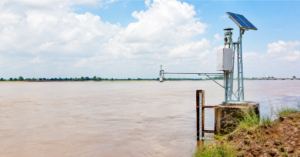
GIS-based environmental monitoring provides the real-time environmental data that project developers and grid operators need to optimize clean energy performance and manage ecological impacts.
Decision support and applied GIS solutions give energy planners the spatial analytical tools to evaluate complex trade-offs between land use, grid access, environmental sensitivity, and community impact. This capability is particularly valuable in emerging markets where data scarcity has historically limited investment confidence.
Land use adds another layer of complexity: large-scale solar and wind development is increasingly expanding into ecologically sensitive landscapes, where protected forests and land-use patterns directly shape renewable energy siting decisions. Getting siting decisions right from the start saves enormous costs and community conflict later.
The AI-powered climate tech platform integrates geospatial data, machine learning, and climate analytics to support clean energy planning at every scale, from national resource assessments to individual project site selection and environmental impact modeling.
Comparison table: fossil fuel investment vs. clean energy investment
| Feature | Fossil fuel investment | Clean energy investment |
| 2025 global total | $1.1 trillion (declining) | $2.3 trillion (record high) |
| Annual trend | First decline since pandemic | Up 8% year on year |
| Job creation | Declining in most markets | Rapidly growing worldwide |
| Energy security | Exposed to geopolitical risk | Domestically generated, resilient |
| Cost trajectory | Rising or stable | Rapidly falling |
| Carbon emissions | High and regulated | Zero or near-zero |
| Stranded asset risk | High and growing | Low; driven by permanent cost shifts |
| Emerging market access | Established supply chains | Growing but still under-invested |
| Policy environment | Increasing headwinds globally | Strong industrial policy support |
| Future outlook through 2030 | Further structural decline expected | $5.6 trillion per year needed |
Key takeaways
- Clean energy investment reached a record $2.3 trillion in 2025, more than double the 2020 level, confirming the energy transition has entered its mainstream investment phase.
- Solar PV and battery storage are the dominant technologies, driven by extraordinary cost reductions. Solar alone attracted over $500 billion in 2024, surpassing all other generation sources.
- The investment gap between advanced economies and developing countries is one of the most alarming failures of the current transition. Emerging markets received just 15% of global clean energy capital despite housing most of the world’s people.
- Clean energy is now an economic and security imperative, not just a climate strategy. Job creation, industrial policy, and energy security are driving investment alongside decarbonization goals.
- Current investment of $2.3 trillion annually must grow to $5.6 trillion per year by 2030. Closing that gap requires urgent scaling of climate finance, policy reform, and geospatial intelligence tools that make investment in data-scarce regions viable.
Conclusion
Clean energy is not waiting for the world to catch up. Records are being broken every year. Technologies that once seemed impossibly expensive are now the cheapest forms of new electricity generation in most markets. Trillions of dollars are flowing toward solar, wind, storage, and electrification with growing speed and confidence.
However, the transition is far from complete, and the pace is far from sufficient. The investment gap in developing countries remains dangerously wide. The $5.6 trillion per year needed by 2030 is still more than twice current investment levels. And the communities most exposed to climate risk remain the least served by the capital flows reshaping the global energy system.
Closing these gaps requires better data, smarter tools, and a genuine commitment to inclusive investment. Geospatial intelligence, predictive modeling, and climate analytics are already helping planners and investors identify opportunities, assess risk, and deploy capital more effectively in markets that were previously too opaque to attract serious capital.
If your organization is working on clean energy planning, investment analysis, or climate resilience strategy, explore the full range of services available at AI Geo Navigators. From geospatial data production to risk analytics and decision intelligence, the platform provides the spatial intelligence that clean energy projects demand.
The clean energy transition is the defining investment opportunity of this generation. Make sure your decisions are built on the best data available. Contact the AI Geo Navigators team today.
FAQs
1. How much did clean energy investment reach in 2025?
Clean energy investment hit a record $2.3 trillion globally in 2025, an 8% increase over 2024, according to BloombergNEF, officially overtaking fossil fuel investment for the first time.
2. Which country invests the most in clean energy?
China leads with nearly 40% of global clean energy spending in 2024, having added 360 gigawatts of wind and solar capacity, more than half the world’s total that year.
3. Why do developing countries get so little clean energy investment?
Emerging markets and developing economies received only 15% of global clean energy funding in 2024, despite housing most of the world’s population, due to high borrowing costs, currency risk, and weak regulatory frameworks.
4. How much clean energy investment is needed by 2030?
The World Economic Forum estimates $5.6 trillion per year is needed by 2030 to reach net-zero by 2050, more than double the current $2.3 trillion annual investment level.
5. What is the fastest-growing clean energy technology right now?
Solar PV is the single largest technology by investment, exceeding $500 billion in 2024 and supplying over 90% of all new electricity generation capacity added worldwide that year.