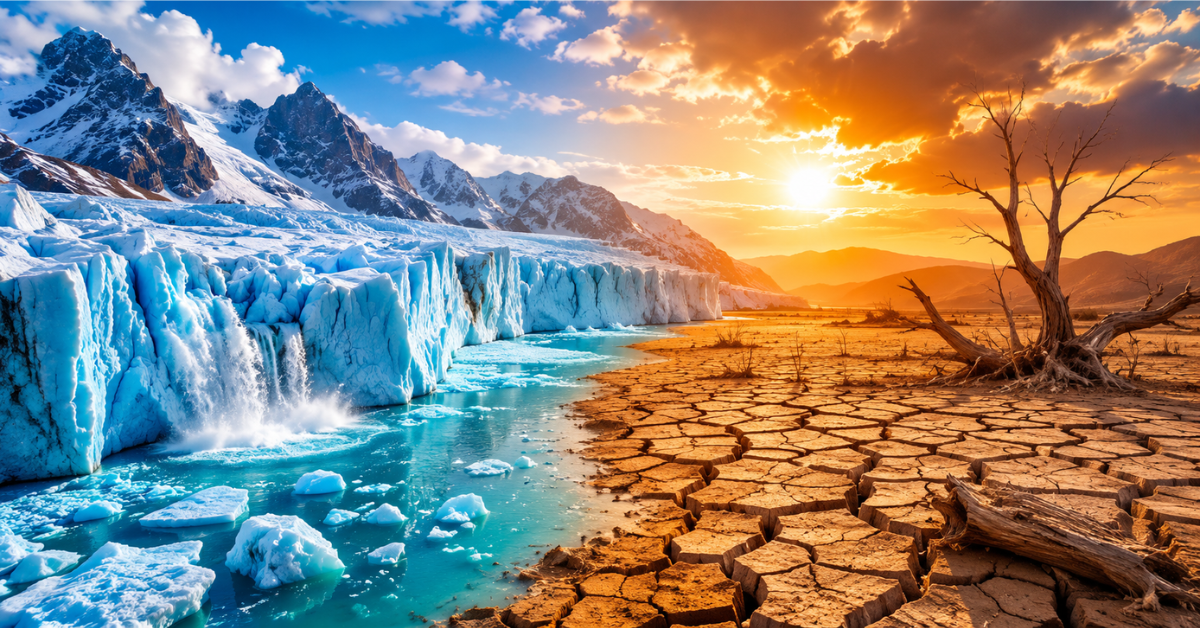
| Quick answer The climate emergency is accelerating. Human-caused warming of Earth is triggering irreversible damage to ecosystems, food and water systems, and human communities worldwide. Global temperatures have already risen 1.2°C above pre-industrial levels. Solutions exist, including renewable energy, ecosystem restoration, and AI-powered risk monitoring. However, the window to prevent catastrophic outcomes is narrowing fast. |
The world’s leading scientists, through the IPCC Sixth Assessment Report, have confirmed that without rapid, large-scale climate action, average global temperatures will exceed 1.5°C above pre-industrial levels within this decade. Beyond that threshold, the risks compound in ways that become exponentially harder to manage.
This article offers a complete analysis of the climate emergency. The ways it affects people and ecosystems, and which of its tipping points are most critical. Moreover, it provides the solutions that might be employed on a larger scale to alter its trajectory.
What is the climate emergency, and how serious is it right now?
The climate emergency is a state wherein human-caused greenhouse gas emissions have reached a level whereby irreversible widespread damage to the Earth’s climate systems is possible and even more certain without immediate intervention. Most of the time, the phrase ‘climate change’ is used to facilitate discussion. The word ’emergency,’ however, denotes that the slow, stepwise approach to policy is no longer adequate to avert catastrophic consequences.
In 2019, over 11,000 scientists from 153 countries issued a joint declaration of a global climate emergency. This was a result of the unprecedented rates of global warming and the continuous lag of international policymaking. Furthermore, over 1,900 local governments from 34 countries have issued their own formal declarations. They illustrate that the emergency has shifted from a national to a local, community threat.
The alarming data behind the global climate crisis
The hottest decade in the history of the Earth is 2014-2023, according to both NASA and NOAA. 2023 was the hottest year in history, being 1.45ºC above the pre-industrial average. NOAA’s Global Monitoring Laboratory said that, by 2024, carbon dioxide levels had reached 422 parts per million. It’s a level that had not been seen for over three million years.
According to the Global Carbon Project, the world released 37.4 billion metric tons of carbon dioxide in 2023. World temperature predictions for 2100 are between 2.5ºC and 2.9ºC above the pre-industrial average. It puts the world on a path toward the most extreme climate scenarios. This is all occurring despite the Paris Agreement and multiple national climate pledges. This affects billions of people in the most extreme scenarios of the climate crisis.
Moreover, the economic cost of inaction is accelerating. The UNEP Adaptation Gap Report 2023 estimates that developing countries alone need $400 billion annually by 2030 for climate adaptation. Understanding how effective disaster risk management frameworks can reduce these losses is a big question for national economic planning worldwide.
What are the most devastating effects of climate change on people and ecosystems?
The negative impacts of climate change have become drastic and immediate. Millions of people are suffering, migrating, and being displaced by them every year. The most prominent of these are extreme weather events, rising sea levels, biodiversity collapse, and food and water scarcity. The interactions of each of these phenomena make it especially difficult to devise effective climate policies.
Extreme weather events and the rise of climate refugees
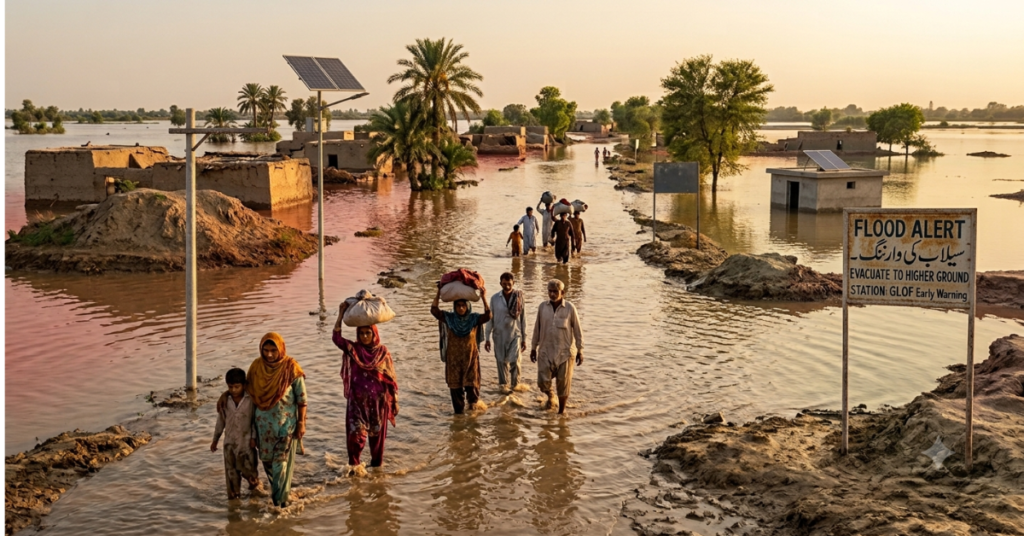
The UN Office for Disaster Risk Reduction states that extreme weather events have more than doubled since the year 2000. In 2024, climate-related catastrophes resulted in 45.8 million displaced people. This tragic number more than doubled the average annual amount of the previous 10 years, or the years 2014-2023. Extreme weather events floods, droughts, wildfires, and tropical cyclones are surpassing the intensity that climate models predicted for the 2040s.
Displacement from rising sea levels is worsening each year. In the last century, the average global sea level increased by 20 cm. That rate is now increasing (since 2006) to 3.7 mm annually. Countries that are low and flat, such as Bangladesh, the Maldives, and other Pacific Island nations, face the total loss of their territory before the end of the century.
Climate refugees: people forced to move because of climate-induced disasters or habitat loss already number in the tens of millions annually. These are projected to reach 1.2 billion by 2050 according to the Institute for Economics and Peace. As explored in a data-driven analysis of climate change in Pakistan, the 2022 floods submerged one-third of that country. It demonstrated how a single extreme weather event can destroy $30 billion in assets. Moreover, it displaced 33 million people and reversed decades of development progress within weeks.
Biodiversity loss and ecosystem collapse
Biodiversity loss is accelerating at 10 to 100 times the natural background rate of species extinction, according to the UN Environment Programme. Up to one million species are now at risk of disappearing, many within decades. The Amazon Rainforest, once one of the world’s most powerful carbon sinks, is now emitting more carbon than it absorbs in some regions. It is due to a combination of deforestation pressure and prolonged drought.
Since 1900, approximately 35% of the world’s wetlands have been lost, reducing habitats that provide water filtration, flood protection, carbon storage, and other essential ecosystem services for billions of people. The economic value of ecosystem services, including pollination, water purification, and climate regulation, is estimated at more than $125 trillion annually, yet none of this appears on any national balance sheet. A thorough examination of the conservation of natural resources and why these systems are the foundation of human civilization makes the scale of what is at stake impossible to understate.
What are the dangerous climate tipping points we must not cross?
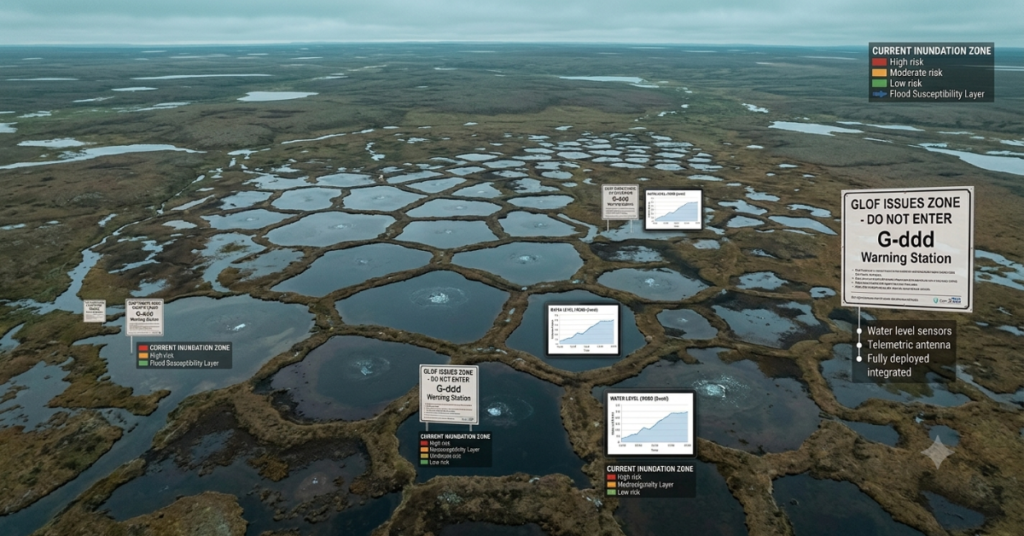
A tipping point in climate systems is a threshold. A slight further change from the threshold could trigger a new state or cycle of the system. This would be virtually unstoppable without dire external control and would likely remain uncontrolled. These points are the most threatening to a climate emergency. Because once crossed, they create a level of permanent effect that no future remissions will be able to reverse.
Why tipping points make the climate emergency potentially irreversible
Scientists have identified nine major climate tipping points that are increasingly threatened by current levels of global warming. These include the breakdown of the East Antarctic Ice Sheet, the Amazon Rainforest dieback, the Arctic thawing of the permafrost, and the slowing of the Atlantic Meridional Overturning Circulation.
Of them, the permafrost tipping point is the most concerning. The Arctic and sub-Arctic frozen soil contains about 1.5 trillion tonnes of organic carbon. It is nearly twice the amount currently present in the atmosphere. These thawing soils result in the warming of the climate as carbon is released as methane, further complicating climate forecasting. Even with the most extreme mitigation scenarios, the situation likely will remain uncontained.
Moreover, of the nine major tipping points, five may be compromised with the current global warming of 1.1°C to 1.2°C. This evidence reframes the climate crisis from a future to a now problem. On top of that, it bolsters the justification for the strongest climate actions, as every fraction of a degree of further global warming raises the odds of several tipping point breaches.
Geospatial data production is increasingly being used to monitor early warning signs of climate tipping points, including permafrost thaw, glacial lake expansion, and forest moisture stress. These insights provide governments and planners with earlier warnings than traditional ground-based monitoring alone.
What proven climate solutions can still change the trajectory?
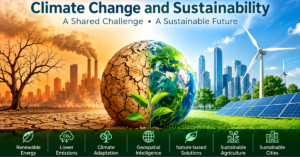
Effective climate solutions that can alter this course are applicable across energy, land use, technology, and governance. The challenge is not the lack of solutions, but the lack of urgency and scale. Mitigation of global average temperature increases to 1.5°C is still within reach, but the IPCC assesses that this will require a reduction of 45% of global CO2 equivalent emissions by 2030. Achieving transformation of the economy and society will be necessary in these intervening two decades to meet this decarbonization objective.
Renewable energy transition and decarbonization
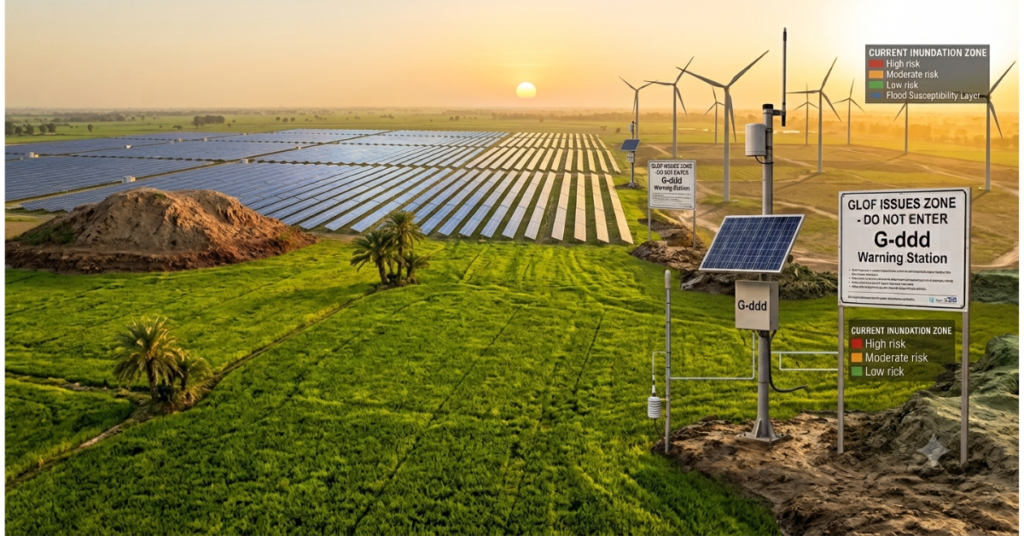
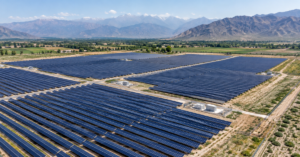
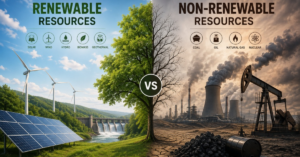
Of all available climate mitigation strategies, the renewable energy transition is the most significant. In the past decade, solar energy costs decreased by 90%, and wind energy costs by 70%. For most markets, clean power is the most affordable energy source. In 2025, global clean energy investments reached an unprecedented $2.3 trillion, and for the first time in history, investments in clean energy were higher than investments in fossil fuels (BloombergNEF).
However, the current pace still falls far short of what the climate emergency requires. The IEA estimates that clean energy investment must reach $5.6 trillion annually by 2030 to remain on a net-zero pathway. As examined in depth in an analysis of how clean energy is reshaping global investment, the gap between current capital flows and what the energy transition demands remains one of the greatest structural barriers to solving the climate emergency at the speed it requires.
There are also significant challenges to decarbonization in heavy industry, shipping, aviation, and the built environment. These include green hydrogen and carbon capture, as well as deep energy efficiency retrofits. Collectively, these represent over 40% of global carbon emissions, and a readily available, scalable renewable substitute does not exist.
Nature-based solutions and ecosystem restoration
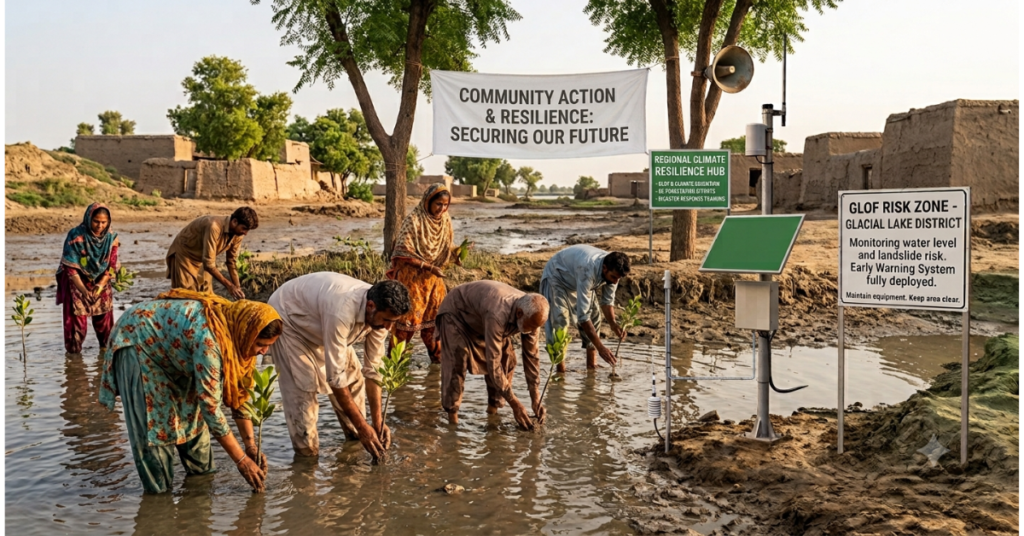
Nature-based solutions: safeguarding and rejuvenating forests, wetlands, mangroves, and soils can potentially yield one-third of the required emission reductions by 2030 at a lower cost compared to most technology-based solutions. Forests alone retain more than 2.6 billion tons of CO2 each year. Restoration of degraded ecosystems provides carbon sequestration, protection of water security and biodiversity, and livelihood benefits to the community.
Nevertheless, less than 3% of global climate finance currently flows to nature-based solutions. This represents one of the most severe misallocations in the entire climate spending landscape. The GIS mapping services directly support precision restoration planning, using spatial modeling to identify optimal restoration sites, connectivity with existing healthy ecosystems, hydrological function, and carbon sequestration potential, transforming tree planting from a blunt activity into a targeted conservation strategy.
How do climate finance and climate justice determine who survives the climate emergency?
Climate finance and climate justice are central to the global response to the climate emergency. Countries and communities that have contributed the least to greenhouse gas emissions are often the ones experiencing the most severe consequences, while wealthier nations with higher historical emissions generally have greater financial and technological capacity to adapt. This imbalance creates a profound inequality, determining who can build resilience and who remains most vulnerable to climate-related disasters.
The global climate finance gap
Under the Paris Agreement, developed countries pledged to mobilize $100 billion annually in climate finance for developing nations by 2020. However, the target was not fully achieved until 2022, and independent assessments suggest that the effective value of this funding is considerably lower than official figures indicate. Meanwhile, the UNEP Adaptation Gap Report estimates that developing countries will require around $400 billion per year by 2030 for climate adaptation alone, roughly four times current adaptation finance.
Why the Loss and Damage Fund matters
The Loss and Damage Fund, established at COP28 in Dubai in 2023, marked an important step toward recognizing that many climate impacts are now unavoidable and require dedicated international support. Despite this progress, the scale of funding remains far below actual needs. Initial pledges totaled less than $700 million, while annual losses and damages for vulnerable countries are expected to reach hundreds of billions of dollars.
Pakistan: A clear example of climate injustice
Pakistan illustrates this climate injustice clearly. Although it contributes less than 1% of global greenhouse gas emissions, it ranks among the world’s most climate-vulnerable countries. The devastating 2022 floods caused an estimated $30 billion in economic losses. The country’s vulnerability is further shaped by changing monsoon patterns, rising temperatures, glacier-related risks, and increasing extreme weather events, as explored in our detailed analysis of climate change in Pakistan. While the international community pledged approximately $10 billion for reconstruction, less than $3 billion had been delivered by 2024.
As discussed in our article on AI in Disaster Management, emerging technologies are helping governments improve disaster preparedness and response. However, technology alone cannot replace the financial commitments needed to strengthen long-term climate resilience.
The role of data and technology in climate justice
Beyond financial support, governments and organisations also need accurate data to ensure climate investments reach the communities that need them most. Geospatial intelligence, satellite remote sensing, and AI-powered analytics help identify vulnerable regions, assess climate risks, and prioritize adaptation projects where they can deliver the greatest impact.
How AIGEO Navigator supports climate resilience
AI GEO Navigator’s ESG and sustainability consulting services help governments, NGOs, and businesses integrate climate justice into their environmental strategies. Using GIS, satellite imagery, and spatial analytics, the platform identifies climate-vulnerable communities, evaluates supply chain risks, and supports conservation investments that deliver meaningful environmental and social benefits.
How are AI and geospatial technology transforming climate action at scale?
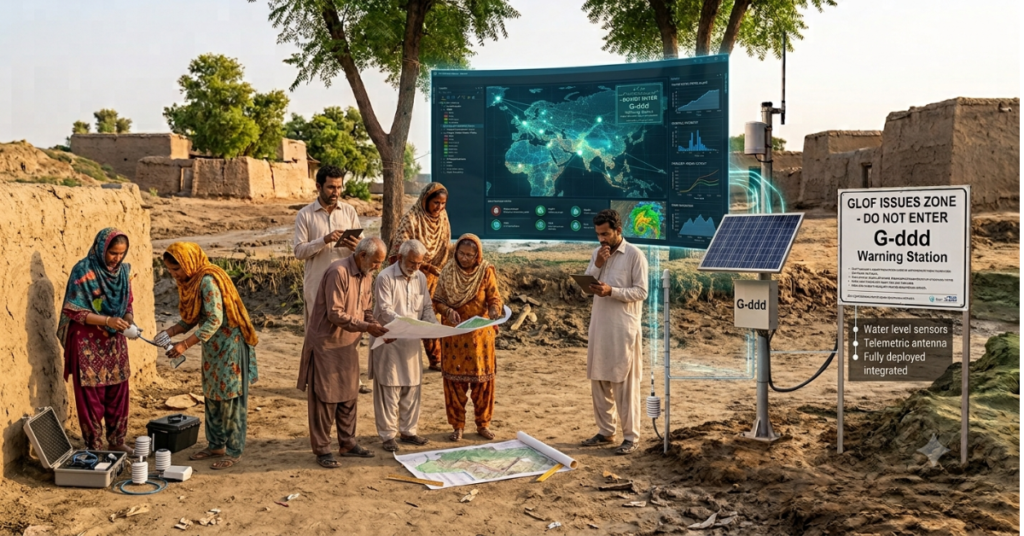
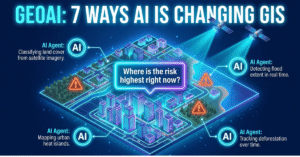
AI and geospatial technology are transforming climate action from a reactive, data-scarce discipline into a predictive, spatially precise system of continuous monitoring and anticipatory decision-making. These tools are not replacing the need for policy and finance, but they are making every dollar of climate investment work harder, and every warning system reaches further.
Real-time satellite monitoring and predictive climate intelligence
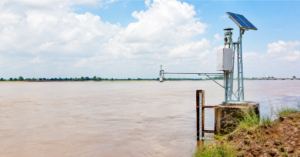
Satellite-based remote sensing now delivers continuous, high-resolution data on forest cover loss, glacial retreat, soil moisture, wetland extent, land degradation, and atmospheric carbon concentrations at global scale and near-real-time frequency. AI systems trained on this data can predict which forests face the highest wildfire risk weeks before conditions reach critical levels, which watersheds face imminent groundwater depletion, and which coastal zones will experience the earliest sea level inundation.
Machine learning for environmental monitoring
WRI and Google DeepMind’s collaboration to map global forest loss drivers at 1-kilometre resolution from 2001 to 2024 demonstrates exactly what becomes possible when machine learning is applied to satellite data at planetary scale. For the first time, conservation planners can see not just that forests are being lost, but which specific drivers cattle ranching, soy expansion, illegal logging is responsible in each location, enabling targeted rather than generic policy interventions.
Furthermore, the AI-powered climate intelligence platform integrates climate dashboards, carbon tracking, geospatial analytics, parcel mapping, and multi-hazard risk assessment into a single operational environment. When applied to the climate emergency, this kind of integrated spatial intelligence is not a technical convenience. It is a survival infrastructure for communities on the front lines of climate impact.
Reactive vs. proactive climate action: what the evidence shows
| Feature | Reactive approach | Proactive climate action |
| Timing | After disaster or ecosystem collapse | Before impact, using predictive spatial data |
| Cost | High post-event recovery and rebuild costs | Lower upfront; $4-$7 saved per $1 invested (World Bank) |
| Technology used | Post-event damage assessment only | Satellite monitoring, GeoAI, real-time climate dashboards |
| Equity outcomes | Vulnerable communities absorb the greatest losses | Inclusive climate planning reduces disparity in outcomes |
| Carbon focus | Offset after emissions have already occurred | Reduction at source plus active carbon sequestration |
| Climate finance | Emergency disaster relief dominates spending | Prevention, adaptation, and resilience prioritised |
| Ecosystem role | Ecosystems degrade under unmanaged pressure | Nature-based solutions integrated into planning |
| Long-term resilience | Repeated cycles of destruction and rebuild | Steadily growing institutional and community capacity |
Key takeaways
- The climate emergency is already operating above 1.2°C of warming, and the trajectory without urgent action runs to 2.5 to 2.9°C by 2100. The window to prevent the worst outcomes is measured in years, not decades.
- Extreme weather events, rising sea levels, accelerating biodiversity loss, and glacial melt are all compounding simultaneously. Each intensifies the others in ways that linear climate policy cannot easily contain.
- Climate tipping points, including permafrost thaw and Amazon dieback, could trigger irreversible self-reinforcing warming. Scientific evidence suggests some may already be in motion at current temperatures.
- Proven climate solutions exist and are cost-effective: rapid decarbonization, nature-based ecosystem restoration, and AI-powered climate monitoring are all technically ready and economically justified. The constraint is deployment speed and political commitment.
- Climate justice is inseparable from climate solutions. Without equitable climate finance flowing urgently to the most vulnerable nations, neither the emissions reductions nor the adaptation outcomes required for global survival can be achieved.
Conclusion
The climate emergency is the defining challenge of this generation, and the data leaves no room for ambiguity. Temperatures are rising faster than models projected. Ecosystems are failing at rates that exceed historical precedents. Extreme weather events are intensifying in regions that lack the infrastructure to absorb them. And the communities least responsible for causing this crisis are consistently absorbing the greatest losses.
However, the trajectory is not fixed. Every fraction of a degree of warming prevented matters enormously. Every forest protected, every megawatt of renewable energy installed, every community equipped with real-time hazard monitoring represents a concrete reduction in the human cost of the climate emergency. The solutions are not theoretical. They are operational, proven, and ready to scale.
Moreover, spatial intelligence, predictive modeling, and AI are transforming climate action. To understand Pakistan’s specific climate risks and impacts, read our in-depth analysis of climate change in Pakistan. Real-time satellite monitoring, geospatial risk assessment, and climate analytics help governments and communities make faster, better-informed decisions.
Applied GIS solutions, from mangrove rehabilitation in Pakistan’s Indus Delta to multi-hazard vulnerability assessment, are already supporting climate resilience. The climate emergency is a present reality, and faster implementation of proven solutions will determine how effectively societies adapt and reduce future risks.
Ready to bring geospatial intelligence into your climate strategy?
Whether you are planning climate adaptation projects, monitoring environmental risks, or developing ESG and sustainability strategies, AI GEO Navigator provides the geospatial intelligence needed to make faster and more informed decisions. From spatial data production to risk analytics and decision intelligence, the platform delivers the tools that climate action urgently demands.
FAQs
What is the difference between the climate emergency and climate change?
The climate emergency is the urgent, crisis-level framing of climate change. It signals that the pace and severity of warming have exceeded the threshold at which gradual policy responses remain adequate. Climate change describes the long-term shift in global temperatures and weather patterns caused by human greenhouse gas emissions since industrialisation. The emergency declaration, made formally by over 11,000 scientists in 2019, calls for immediate structural transformation rather than incremental adjustment to existing systems.
Which countries are most vulnerable to the climate emergency?
The most climate-vulnerable countries are generally those with the highest exposure and the lowest adaptive capacity. These include Small Island Developing States such as the Maldives and Tuvalu, which face existential sea level risk; South Asian nations such as Bangladesh and Pakistan, where compounding flood, heat, and water stress are intensifying; and sub-Saharan African nations, where drought and food insecurity are worsening under climate pressure. Critically, these countries contribute the least to global greenhouse gas emissions, making the climate emergency fundamentally a matter of climate justice as much as environmental science.
Can we still stop the climate emergency?
Stopping the climate emergency entirely is no longer possible; some degree of warming and its consequences are already locked in. However, the difference between 1.5°C and 3°C of warming is enormous in terms of human lives, ecosystem survival, and economic stability. Limiting warming to the lower end of that range requires cutting global greenhouse gas emissions by 45% by 2030 and reaching net-zero emissions by 2050, according to the IPCC. The technology, financing mechanisms, and policy frameworks to achieve this all exist. What is missing is the pace and scale of their deployment.