Introduction
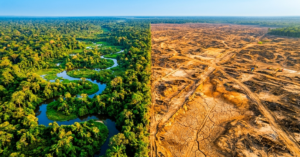
Climate finance for resilient communities is no longer a strategy buzzword. It is the lifeline that millions of people across the world are urgently waiting for. Floods arrive before recovery from the last one ends. Meanwhile, droughts stretch for years when rains once came on schedule. At the same time, heatwaves break records before authorities update emergency plans. And between disasters, communities absorb losses that no household budget was ever designed to bear. Learn more about extreme weather events and the new face of climate chaos.
The tools to solve climate problems already exist. People also know more than ever about how to use them. However, many vulnerable communities still do not receive enough funding. That gap exists between what global climate summits promise and what vulnerable neighborhoods feel on the ground. This guide addresses that gap.
This article is for local officials, development practitioners, researchers, and anyone who cares about their community’s future. It walks you through key climate funding instruments. It also explains proven strategies that actually work. Finally, it shows how technology is making climate finance faster, smarter, and more equitable.
Key Statistics
| Global climate finance reached in 2022 | $1.46 Trillion |
| Tracked adaptation finance vs $250–$350B needed | $77 Billion |
| Share of global climate finance reaching the local level | Less than 10% |
| Return on every $1 invested in adaptation | $10 in benefits (WRI) |
What Is Climate Finance for Resilient Communities and Why Is It So Urgent Right Now
Climate finance means money from public, private, and other sources. It is used to cut greenhouse gas emissions and support climate adaptation.
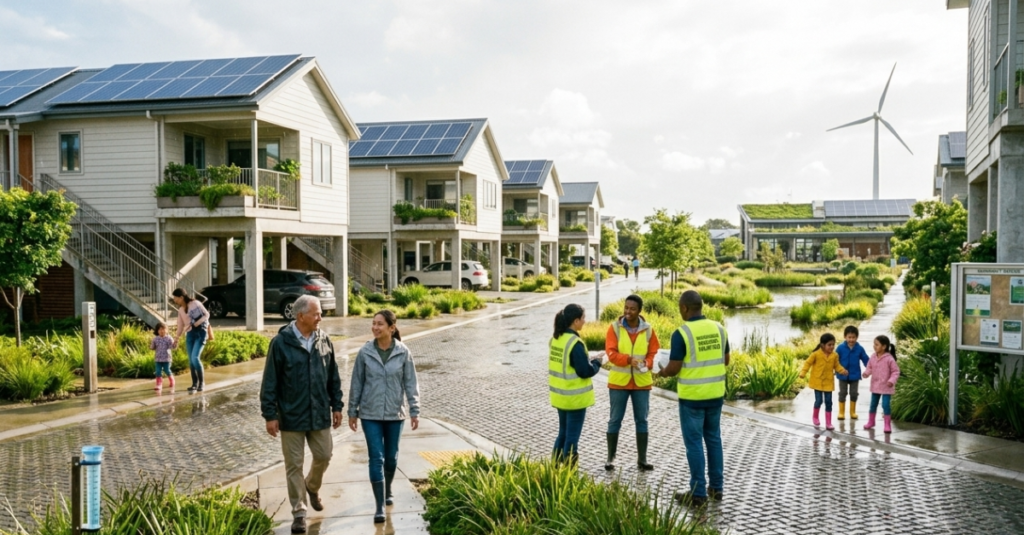
When focused on community resilience, it funds local projects. These projects help neighborhoods, towns, and cities handle floods, droughts, and heatwaves. They also help communities recover faster after disasters.
The problem is real and happening now. We are already living inside a climate crisis that is reshaping where people can safely live, work, and raise families. As one sobering analysis of extreme weather events and the new face of climate chaos shows, 2024 alone saw 58 disasters cross the billion-dollar threshold, each one hitting communities that were neither financially nor physically prepared to cope. That is not bad luck. That is a systemic failure of climate finance.
Understanding Community Resilience in a Climate Context
Climate finance for resilient communities plays a critical role in helping vulnerable populations adapt to long-term climate risks. It is about building the capacity to withstand shocks, adapt to changing conditions, and transform toward a safer, more sustainable future. Resilient communities share several key qualities: they have diverse livelihoods not overly dependent on climate-sensitive sectors; strong social networks that enable collective action; and access to financial tools, including savings mechanisms, insurance, and investment finance, that give people real options when crisis strikes.
However, the reality is that climate change disproportionately affects the communities least able to finance their own resilience. People displaced by rising seas, collapsing harvests, or intensifying storms find themselves caught between inadequate national safety nets and inaccessible international finance. Understanding how climate displacement is becoming a global survival threat makes it clear why the question of finance for community resilience is not a technical debate; it is a matter of life, livelihood, and justice.
The Alarming Adaptation Finance Gap and Why Communities Keep Getting Left Behind
Without climate finance for resilient communities, adaptation gaps will continue to widen in high-risk regions. Global climate finance reached USD 1.46 trillion in 2022. That sounds significant. However, the overwhelming majority of that money goes toward reducing harm, cutting emissions through renewable energy, electric mobility, and efficiency investments. These are important. However, they will not safeguard communities against climate effects now underway. Genuine adaptation finance – funding for flood walls, mangrove restoration, community health systems – is only $77 billion a year, while needs are estimated at $250-$350 billion a year.
Moreover, financial flows are highly unbalanced. Adaptation funding in emerging markets has been inconsistent, with pandemic-era fiscal pressures, deteriorating borrowing conditions, and stringent eligibility requirements all contributing to growing disparities between these regions most at risk from climate change and the funding on offer. The climate challenge in some of the most at-risk developing nations is growing faster than the financial landscape.
The El Niño phenomenon illustrates this dynamic with alarming precision. The comprehensive breakdown of El Niño’s impacts, risks, and how communities can prepare shows just how destructively this recurring climate pattern interacts with pre-existing poverty and infrastructure deficits. When El Niño strikes a community without financial buffers, no insurance, no savings, no government safety net, the cascading losses can erase years of development progress overnight. Climate finance for resilient communities is, in a very real sense, the only tool that can interrupt that cycle.
Key Insight: Every $1 invested in climate adaptation generates more than $10 in economic, social, and environmental benefits over 10 years, according to World Resources Institute analysis spanning 320 investments.
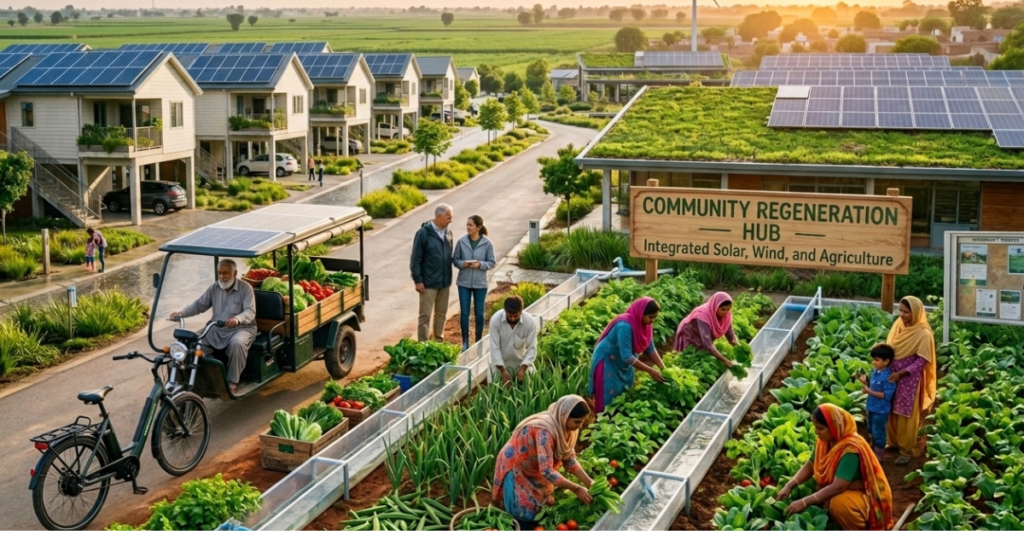
Proven Climate Finance Instruments That Actually Reach Communities
1. Green Climate Fund Direct Access Modality
The Green Climate Fund is the world’s largest dedicated climate fund. National Implementing Entities, typically domestic development banks or government agencies accredited by the GCF, can channel funds to subnational and community-level projects. Investing in NIE accreditation is one of the most strategic moves a developing-country government can make.
2. Adaptation Bonds and Catastrophe Bonds
Adaptation bonds have grown from 39 global issuances in 2017 to 601 in 2024, a fourteen-fold increase. Corporate issuers now represent 54 percent of this market. Catastrophe bonds transfer disaster risk from governments to capital markets, freeing up public budgets for recovery investment.
3. Blended Finance Structures
Blended finance uses concessional public money to reduce risk enough that private capital becomes willing to invest alongside it. A well-structured blended facility can leverage every $1 of public money into $3 to $5 of total investment.
4. Community Savings Groups and Microfinance
Community savings groups and microfinance institutions form the bedrock of household-level financial resilience. When linked to climate-indexed insurance products that trigger payouts based on weather data, these mechanisms allow households to plan for shocks and recover without waiting for external aid.
5. Debt-for-Nature Swaps
Debt-for-nature swaps allow developing countries to reduce sovereign debt in exchange for commitments to invest in conservation and climate resilience. Ecuador, Belize, and Barbados have pioneered large-scale versions of this model.
How AI and GIS Are Closing the Data Gap That Blocks Climate Finance
One of the most overlooked barriers to climate finance for resilient communities is the absence of reliable, granular risk data. Funders, multilateral banks, and private impact investors need to understand where risk is concentrated. They also need to know how severe it is. They must identify which interventions reduce it most efficiently. Without that data, proposals fail, projects stall, and communities remain unprotected. As a result, building data infrastructure is not a peripheral activity; it is the gateway to financing.
This is precisely where artificial intelligence and geographic information systems (GIS) are proving to be genuinely game-changing. AI-powered climate intelligence platforms now integrate satellite imagery, historical weather records, land use maps, socioeconomic indicators, and real-time sensor feeds to produce high-resolution risk assessments that were simply not possible a decade ago.
RESLI AI: Urban Resilience Decision-Making at Scale
One breakthrough example is the RESLI AI platform, an AI-driven decision engine designed specifically for urban resilience challenges. By integrating satellite data, machine learning, and advanced geospatial modelling, RESLI AI helps cities. Governments and development organisations understand where to direct limited adaptation budgets for maximum impact. It maps flood zones, drought risk, coastal erosion, and urban heat islands in one interactive system. It makes hidden risks visible for planners and funders.
Hazard Mapping That Unlocks Funding Pipelines
AI-driven decision support and applied GIS solutions are transforming how disaster risk reduction finance is structured and justified. Interactive GIS risk portals allow users to toggle multiple hazard layers, flood zones, fault lines, land cover classifications, and precipitation patterns, to identify where the most vulnerable communities sit and which infrastructure investments will deliver the greatest protection. This evidence base dramatically strengthens funding applications to the Green Climate Fund, Adaptation Fund, and bilateral donors.
Furthermore, remote sensing and image analytics provide the continuous environmental monitoring that funders increasingly require to verify project outcomes and ensure financial accountability. When communities can demonstrate measurable resilience gains, reduced flood inundation extent, improved vegetation cover, and restored mangrove buffer zones, accessing follow-on financing becomes far more achievable.
ESG Intelligence: Turning Reporting Into a Financing Enabler
The growing importance of ESG (Environmental, Social, and Governance) standards in investment decisions has created a new pathway for climate finance to reach communities. However, this only happens when organisations can produce credible and standardised ESG data.
Climate, ESG, and sustainability intelligence services help governments, development organisations, and businesses prepare verified ESG reports aligned with global sustainability frameworks, develop emissions reduction strategies, and demonstrate the compliance that climate finance eligibility demands.
Consequently, reporting is no longer just a burden. Instead, it becomes a competitive advantage for accessing climate capital.
5 Powerful Strategies to Unlock Climate Finance for Your Community, Starting Today
Understanding the landscape is one thing. Knowing how to act decisively within it is another. Here are five proven, actionable strategies that communities and local governments can begin implementing immediately.
Strategy 1: Build Local Data Infrastructure
Develop accurate geo-referenced weather risk facts before seeking investment. Hazard maps, vulnerability tests, and GIS-based environmental datasets help funders understand community dangers and justify funding. Reliable spatial data is the inspiration for each strong weather finance initiative.
Strategy 2: Create a Bankable Project Pipeline
Move past the list network wishes. Design initiatives with clear budgets, timelines, action plans, and measurable effects aligned with donor necessities. Technical partners can help translate local priorities into funding-ready proposals.
Strategy 3: Pursue NIE Accreditation
National Implementing Entity accreditation with finances, just like the Green Climate Fund, enables direct access to weather finance without counting on intermediaries. Though traumatic, accreditation strengthens nearby management, speeds implementation, and improves long-term resilience planning.
Strategy 4: De-Risk Projects for Private Investors
Private buyers require a reduced economic threat before helping with resilience tasks. Collaborate with development finance institutions to create blended finance systems or overall performance-based total incentives that attract co-investment and boost venture viability.
Strategy 5: Monitor and Verify Outcomes with Technology
Use satellite imagery, AI tools, and GIS dashboards to screen the assignment’s overall performance continuously. Strong reporting with measurable spatial proof improves credibility, satisfies donor necessities, and increases access to future investment possibilities.
Critical Barriers Silently Blocking Climate Finance, And How to Break Through Them
Even with the right instruments and strategies in place, several structural barriers continue to divert climate finance away from communities. Naming them honestly is the first step toward removing them.
Bureaucratic Complexity and Inaccessible Eligibility Criteria
The application processes for major climate funds are often designed for international organisations. These organisations usually have large compliance teams. Local community groups and local governments have limited administrative capacity. Because of this, they face access barriers.
As a result, less than 10% of global climate finance reaches the local level. This is not due to a lack of need. It is due to these barriers. Structural reforms are urgently needed. These include simplified application systems, translated documents, and grants for proposal development.
Risk Aversion Among Traditional Financiers
Traditional financiers, commercial banks, pension funds, and institutional investors exhibit deep risk aversion when it comes to community-scale projects in high-vulnerability regions. Projects are perceived as small, illiquid, and difficult to monitor. As a result, innovative financing models such as community bonds, crowdfunding platforms, and community development financial institutions (CDFIs) are emerging to fill the gap that mainstream finance leaves behind.
The Missing Link: Local Knowledge and Cultural Context
Top-down climate finance models frequently fail because they undervalue local knowledge. A flood intervention designed in a capital city without genuine community consultation may miss the seasonal patterns that local farmers and fisherfolk have observed across generations. Effective climate finance must be not just locally delivered but locally designed. This is why deeply contextual climate advocacy work that bridges communication, data, and community engagement is as important as the financial instruments themselves. Advocacy and finance must move together.
The Gender and Equity Gap
Women, indigenous peoples, and low-income households bear the heaviest burden of climate impacts yet receive the smallest share of adaptation finance. Integrating gender-responsive budgeting into climate finance frameworks and designing financial instruments specifically accessible to women-led community groups is both a justice priority and a programme effectiveness strategy. Evidence consistently shows that resilience projects with strong female participation outperform those without across multiple outcome dimensions.
El Niño, Extreme Weather, and the Urgent Case for Pre-Emptive Climate Finance
One of the most powerful arguments for urgently scaling climate finance for resilient communities is the predictability of many climate risks. El Niño, for instance, is not a surprise; it is a scientifically forecastable phenomenon with well-understood regional impacts. In 2026, the Pakistan Meteorological Department confirmed a 61% probability of El Niño development between May and July, with the possibility of a “Super El Niño” later in the year.
The El Niño crisis in Pakistan and how AI-powered geospatial intelligence is helping communities respond illustrates precisely why pre-emptive finance, funded before disasters strike, is categorically more effective than post-disaster relief. When communities have financial buffers, early warning systems, and climate-resilient infrastructure in place before a predictable climate shock arrives, outcomes are dramatically better. When they do not, the losses are catastrophic, and the recovery financing required is a multiple of what prevention would have cost.
This same logic applies globally. Climate finance for resilient communities is not reactive charity; it is rational risk management at the community, national, and planetary scale.
Social Protection: The Untapped Multiplier for Climate Finance Scale
Integrating climate change into current social safety structures is one of the most effective ways to scale weather finance for communities. These structures already help over 1/2 of the arena’s populace, making them an effective channel for turning in weather-linked financial aid.
Governments can fortify resilience by adding climate-adaptive bills, disaster coverage triggers, and income livelihood aid to current programmes. These systems can automatically reply to some stage of weather shocks and help families avoid long-term poverty.
Several countries in South Asia, sub-Saharan Africa, and Latin America are already seeing wonderful consequences. However, scaling these solutions in addition would require political commitment, technical investment, and stronger GIS and AI-pushed data infrastructure.
Reforming the Global Financial Architecture: What Communities Deserve and What Must Change
The international economic gadget needs to be reformed if weather finance is to reach vulnerable groups quickly and at scale. Between 2022 and 2025, numerous reform proposals centered on growing weather finance, lowering sovereign debt pressure, and enhancing worldwide financial representation. However, the device remains fragmented, and many communities nonetheless struggle to access cheap investment.
Urgent reforms must encompass directing unique drawing rights (SDRs) towards weather adaptation, simplifying funding access for network firms, and restructuring debt structures so weather-inclined countries can spend money on resilience in preference to prioritising debt bills. Stronger international coordination is critical to make climate finance faster, fairer, and more on hand.
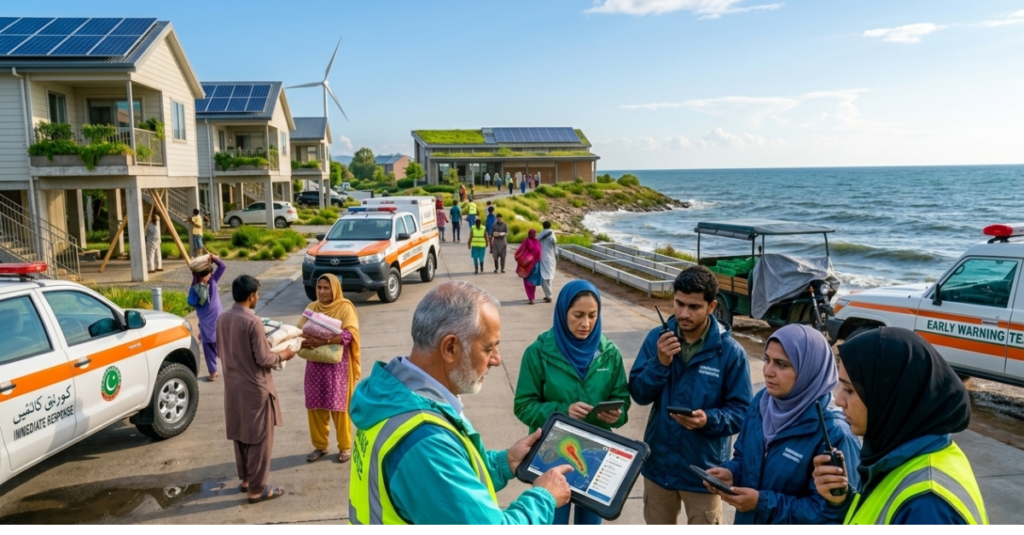
Real-World Success Stories: What Transformative Climate Finance Looks Like on the Ground
Bangladesh: Community-Designed Flood Adaptation
Bangladesh’s Comprehensive Disaster Management Programme, co-financed through the Adaptation Fund and domestic authorities’ sources, used network-based early warning structures, flood-resistant homestead structures, and cyclone shelters to dramatically lessen weather-related mortality over decades. The defining feature of its achievement has now become not the generation; it has turned into the fact that groups have been energetic co-designers, not passive recipients.
Ecuador: Debt-for-Nature Finance for Galapagos Communities
Ecuador’s landmark debt-for-nature change, one of the most important ever performed, generated funding for marine conservation within the Galapagos while lowering country-wide debt duties. The freed fiscal space now supports sustainable fisheries and ecotourism livelihoods for coastal communities, demonstrating that weather finance can concurrently cope with debt, nature, and network economic well-being.
Belize: Blue Bond for Ocean and Coastal Resilience
Belize’s pioneering Blue Bond. Dependent on help from The Nature Conservancy- converted countrywide debt into ocean conservation commitments, shielding coral reefs that underpin fishing and tourism livelihoods for hundreds of coastal community individuals. The version has been considered inspiring similar deals across the Caribbean and Pacific, opening new weather finance pathways for small island developing states that conventional gadgets had previously excluded.
What Governments, Funders, and Communities Must Do Right Now to Accelerate Progress
The evidence is overwhelming. The tools exist. The urgency is undeniable. What remains is coordinated action across four fronts, and it must begin now, not after the next climate summit.
- Governments, funders, and institutions must work together now.
- They need to simplify funding access for local organisations and communities.
- They should invest in climate risk data and mapping systems.
- They must expand blended finance models to attract private investment.
- Climate funds should prioritise gender equity and vulnerable populations.
- Most importantly, climate finance must focus on protecting people, not just increasing spending figures.
- Communities on the front lines of climate change must receive direct and meaningful support.
Above all, the global conversation about climate finance must shift from “how much is being disbursed” to “who is actually being reached and protected.” The second question is harder to answer, but it is the only one that matters for communities living on the front lines of climate change today.
To understand how cutting-edge climate intelligence tools are already supporting this agenda in practice, explore the environmental sustainability solutions being developed to translate geospatial data into tangible community protection outcomes, from flood risk modelling to carbon footprint assessment for local economies.
Conclusion
Climate finance for resilient communities is not charity. It is the most valuable investment to be had to governments, development establishments, and personal actors who take the danger of climate change seriously. Every dollar spent building network resilience nowadays saves more than ten bucks in extreme weather losses. The contraptions are validated. The information infrastructure to free them up is more and more within reach. And the groups that need this finance are prepared; they, in reality, need barriers eliminated and assets to go with the flow.
The urgency is real, and it is growing. But so is the possibility. From variation bonds and blended finance to GIS-powered risk mapping and AI-pushed decision support, the answers exist at scale. What stays is the collective will to deploy them faster, greater, equitably, and with true network ownership at the centre.
As the technological know-how of climate intelligence and geospatial innovation continues to adapt, the businesses that integrate statistics-driven insight with network-concentrated finance are setting the pace. The destiny of climate resilience belongs to individuals who act nowadays, not individuals who await the following international summit to spark off the movement that communities needed yesterday.
FAQs
What is climate finance for resilient communities, and how does it differ from general climate finance?
Climate finance for resilient communities focuses specifically on funding that helps local populations withstand, adapt to, and recover from climate-related shocks, floods, droughts, heatwaves, and extreme weather events. Unlike general climate finance, which includes both reducing harm (emissions reduction) and adaptation, community resilience finance prioritises grassroots-level interventions: flood-resistant infrastructure, early warning systems, community insurance products, and sustainable livelihoods. The defining feature is who receives the money and how directly it reaches those most affected.
How massive is the climate variation finance gap, and why does it matter for groups?
The version finance gap is envisioned at $173–$273 billion in 12 months. Tracked model finance stood at about $ seventy-seven billion in 2022, in opposition to annual community-level needs of $250–$350 billion. This gap translates directly into unprotected infrastructure, uninsured families, and groups compelled to soak up weather losses that permanently set back improvement. Closing this gap is consequently both a moral and an economic necessity; each greenback no longer spent on prevention fees multiplies in a catastrophic reaction.
Which financial contraptions are only for network-degree climate resilience?
The most effective devices encompass: (1) Green Climate Fund direct get right of entry to offers through National Implementing Entities; (2) model and catastrophe bonds for moving disaster threat to capital markets; (3) combined finance structures that de-risk initiatives for non-public investment; (four) community savings groups linked to weather-listed insurance; and (five) debt-for-nature swaps that free fiscal area for edition. The proper device depends on network context, task scale, and country-wide institutional capability.
How can AI and GIS assist groups in getting access to climate finance?
AI and GIS gear help groups get admission to weather finance by means of generating the amazing threat data that funders require to approve initiatives. Satellite-based total risk mapping, far-flung sensing monitoring, and AI-powered vulnerability tests provide the proof base for funding programs. They also permit submit-investment monitoring and outcome verification, which is increasingly mandated. Platforms like RESLI AI make these abilities accessible to metropolitan governments and community corporations without requiring in-house data technology expertise.
What function does El Niño play in the weather finance discussion for groups?
El Niño is a scientifically forecastable climate phenomenon with properly understood local effects, making it one of the strongest arguments for pre-emptive community weather finance. When communities have monetary buffers, early caution systems, and weather-resilient infrastructure in place earlier than El Niño arrives, results are dramatically higher than post-disaster reaction allows. The 2026 El Niño risk in South Asia is a stark instance of why predictable climate change demands improved financing, not just reactive aid.
Why is gender equity crucial in climate finance for resilient communities?
Women and women disproportionately undergo the load of climate impacts, from increased unpaid care work after failures to loss of agricultural livelihoods for the duration of droughts. Yet they get hold of a substantially smaller percentage of the edition’s finance. Gender-responsive weather finance isn’t just a justice issue; it’s a programme effectiveness problem. Evidence continuously suggests that resilience initiatives with strong female participation and women-centred financial devices achieve better outcomes and longer-term sustainability.
What are the most important steps a neighborhood authority can take these days to get access to weather finance?
Five immediately steps: (1) Commission climate chance and vulnerability assessments the use of GIS and satellite statistics; (2) expand a pipeline of bankable adaptation tasks with clean fees, timelines, and outcome indicators; (3) discover National Implementing Entity accreditation with fundamental weather funds; (4) interact improvement finance institutions approximately combined finance centers; and (5) associate with climate intelligence era carriers to build the tracking and reporting ability that funders require for approval and disbursement.