Introduction:
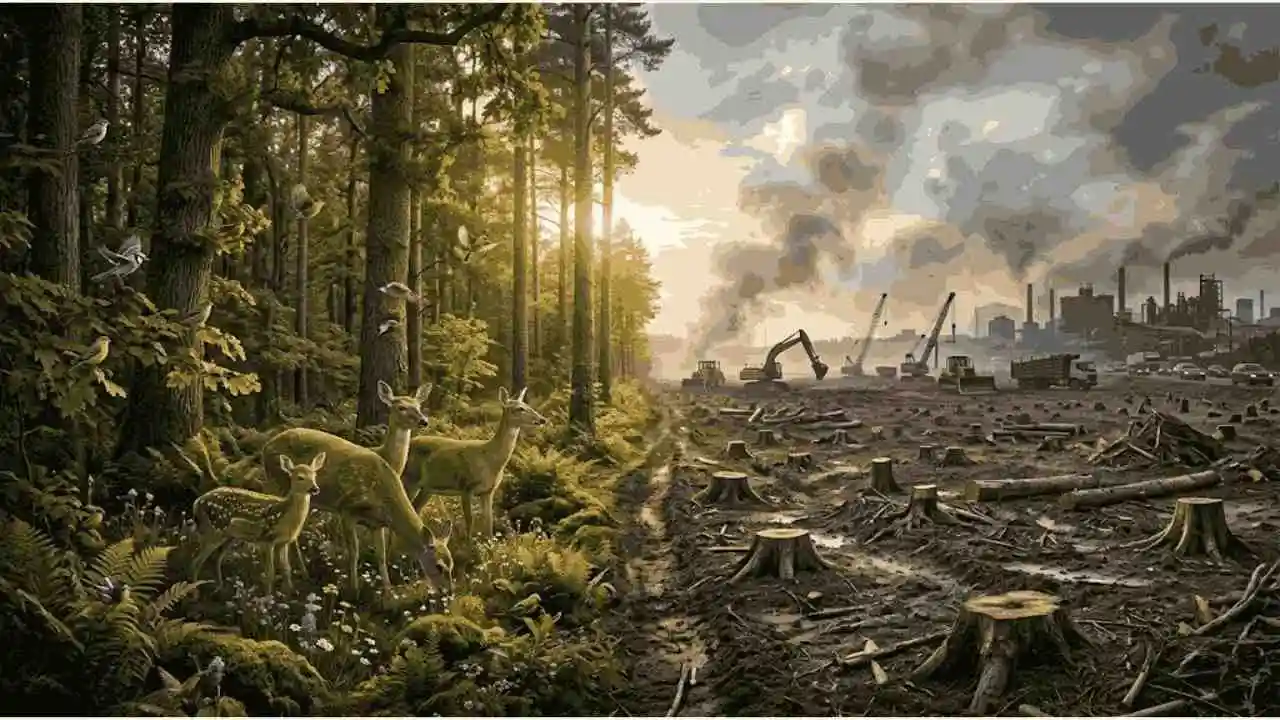
Over the past few decades, human activities and development have rapidly changed the Earth’s natural landscapes. Forests are cleared for farming, cities are growing, and natural ecosystems are being altered to meet the needs of more people. These changes are explained by the concept of land use and land cover (LULC). Land use is how people use the land, while land cover describes what is physically on the surface, like forests, water, or vegetation. While these changes can help economies grow, they often have serious environmental costs.
A major effect of LULC changes is the impact on biodiversity. When natural habitats are changed or destroyed, species must adapt, move to new areas, or risk extinction. Problems like habitat fragmentation, ecosystem damage, and imbalance are becoming more common. These issues threaten both wildlife and the health of ecosystem that people depend on. Because of this, it is important to understand how changes in land use and land cover affect biodiversity.
This article examines how changes in land use and land cover affect biodiversity. It will also discuss why sustainable land management practices are important for reducing these impacts.
Concept of Land use and Land cover (LULC) change:
Land use and Land cover (LULC) are key ideas for understanding how people use and change the Earth’s surface over time. Land cover refers to the natural features you see on the surface, such as bare or vegetated soil. Land use, on the other hand, is about how people use land for activities such as farming. Building cities, industry and roads. While these terms are related, land cover examines natural features, while land use focuses on what people do with the land.
LULC change occurs when natural land cover is altered by people or by natural processes. For instance, forests might be turned into farmland, or open areas could become cities. These changes usually occur because of factors such as population growth, economic growth, new technology, or increased demand for resources. Over time, these shifts can significantly affect how ecosystems function and having lasting effects on the environment.
Studies have shown that the conversion of forests and other natural ecosystems into agricultural land and urban areas is accelerating at an unprecedented rate, driven primarily by population growth, economic expansion, and rising resource demand. Such transformation not only modify the physical characteristics of the land but also disrupt ecological processes and functions. LULC change is strongly linked to environmental damage and is a leading cause of biodiversity loss worldwide. Changing land cover often destroys habitats, fragments them, and alters how ecosystems are built. This directly affects where species can live and how well they survive. Because of this, it is important to understand LULC change to create good plans for managing the environment and protecting nature.
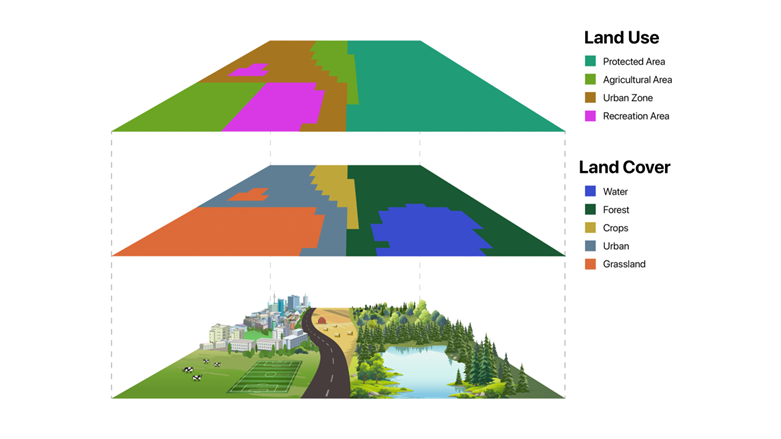
Figure 1 shows the concept of LULC and relationship with Biodiversity
Drivers of Land Use and Land Cover (LULC) change:
Land use and Land cover changes are influenced by a combination of human and natural factors that continuously reshapes the earth’s surface. Over past few decades, rapid population growth, urban expansion, agricultural intensification, and infrastructure development have significantly accelerated the transformation of natural landscapes. These drivers not only alter land cover patterns but also place increasing pressure on ecosystems and biodiversity. Understanding the major causes of LULC change is essential for identifying the underlying factors behind environmental degradation and for developing sustainable land management strategies.
- Population growth:
Population growth is a major driver of changes in land use and land cover worldwide. As the population grows, so does the need for food, water, housing, energy, and infrastructure. To meet these needs, natural areas are often turned into farmland, housing, or commercial spaces. As a result, forest, grasslands, and wetlands are being replaced by human developments, which greatly changes natural ecosystems.
In a previous research Lambin et al. (2001) found that population pressure accelerates land use change, especially in developing countries, where rapid population growth leads to more cities and farming. The united Nations also predicts that they world’s population will continue to grow over the next few decades, placing even more strain on fragile ecosystems and natural resources.
A clear result of population driven land changes is habitat loss. As towns and cities grow and natural vegetation is cleared, animals lose their homes and migration routes. This often breaks habitats into smaller, isolated areas, reducing biodiversity and putting species at risk. In many places, people moving into forests and sensitive areas have also led to more conflicts with wildlife and upset the balance of nature.
Population growth also leads to biodiversity loss by increasing resource use and placing a greater strain on the environment. More demand for wood, crops, and new buildings adds pressure on forests and ecosystems.
Therefore, while population growth is closely associated with economic and social development, its impact on land and biodiversity underscores the urgent need for better planning and resource management. We must find ways to meet people’s needs while also protecting the environment.
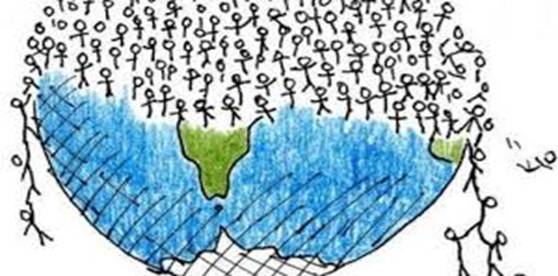
Figure 2 how population growth disturbs the natural Environment
- Urbanization:
Urbanization is a major driver of land use and land cover change, especially in fast-growing regions. As cities and towns expand to support more people, natural areas are often turned into build environments. Forests, farmland, wetlands, and open spaces are being replaced by roads, buildings, and industrial areas. Because of this, urbanization is now a leading cause of environmental damage and biodiversity loss.
A major environmental impact of urbanization is the loss of green spaces and the benefits they provide. Natural plants that once helped control temperature, keep soil healthy, and support wildlife are often cleared for new buildings. Wetlands and water bodies are also altered or filled in for construction, disrupting water systems and increasing the risk of flooding. More pollution, waste, and human activity in cities also put extra pressure on nearby ecosystems.
Urbanization also contributes to changes in local climate through the urban heat island effect, where cities are warmer than nearby rural areas. These changes can harm biodiversity by making habitats less suitable for many plants and animals. In a previous research McDonald et al. (2020) note that urban growth poses a serious threat to global biodiversity hotspots, particularly where planning and environmental regulations are weak. Integration of green infrastructure, urban forests, protected areas, and GIS-based planning approaches can support biodiversity conservation while accommodating urban growth. Therefore, balancing development with environmental sustainability remains essential for minimizing the ecological consequences of urban expansion.
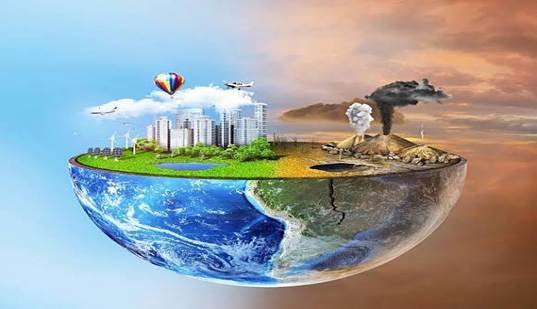
Figure 3 Effects of Urbanization on Earths Biodiversity
- Agricultural Expansions:
Agricultural expansion is among the most significant drivers of land use and land cover change worldwide. As the demand for food continues to increase due to population growth, large areas of forests, grasslands, and wetlands are converted into agricultural land. While agriculture is essential for human survival and economic development, its uncontrolled expansion often leads to severe environmental consequences.
Previous studies show that agricultural activities are among the leading drivers of habitat destruction and biodiversity loss. The conversion of natural ecosystems into farmland reduces vegetation cover, disrupts ecological balance, and threatens the survival of many plant and animal species. Intensive farming practices, excessive fertilizer use, and soil degradation further contribute to ecosystem decline.
In many developing regions, agricultural expansion has led to deforestation and habitat fragmentation, making it difficult for species to survive and adapt. Therefore, sustainable practices and proper land management are essential to reduce environmental impacts while meeting food demands.
- Deforestation:
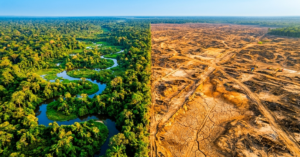
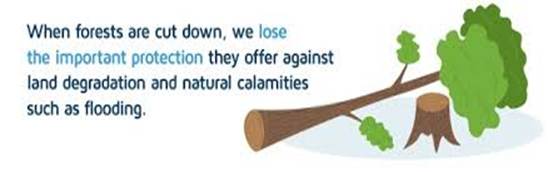
Deforestation is a major driver of land-use and land-cover change and has a significant impact on biodiversity and ecosystem stability. People clear forests for agriculture, cities, logging, and building projects. Removing so much vegetation changes natural landscapes and makes it harder for ecosystems to support wildlife and stay balanced.
Expanding agriculture and the construction of new infrastructure are the main drivers of deforestation worldwide. When forests are destroyed, animals lose their habitats, population shrink, and habitats become fragmented. Many species rely on forests for food, shelter, and breeding, so they are especially at risk when forests disturbed.
Deforestation also causes soil erosion, climate change, and disrupts the water cycle. With fewer forests, less carbon is stored, and important ecosystem services are lost. Protecting forests and managing land sustainably are important steps toward protecting biodiversity and preventing environmental damage.
- Infrastructure and Economic Development:
Infrastructure and economic development improve people’s living standards, but also significantly impact land use and land cover. Building roads, dams, factories, mines, and tourism sites often means turning natural areas into developed ones. These changes affect ecosystems and put more pressure on natural resources.
Studies show that large development projects can break up habitats and harm the environment, especially in sensitive areas. Roads and other infrastructure fragment natural habitats, making it harder for wildlife to maintain diversity. Mining and industry also cause soil damage, pollution, and loss of plants.
In many developing countries, rapid economic growth often occurs without adequate environmental planning, increasing the risk of biodiversity loss. To balance economic progress with the protection of ecosystems, it is important to adopt sustainable development strategies and conduct environmental impact assessment.
- Climate Change and Natural factors:
Climate change and natural processes also affect how land is used and how land cover is shaped by changing environmental conditions, and how ecosystems function. Higher temperatures, shifts in rainfall, floods, droughts, landslides, and melting glaciers can all change natural landscapes and vegetation. These changes affect land productivity, species distribution, and ecosystem stability.
The intergovernmental panel on climate change (IPCC) reports that climate change is accelerating in many parts of the world, especially in fragile mountain and coastal areas. Extreme weather and long-term climate shifts can damage habitats, reduce water supplies, and increase the risk to biodiversity.
Natural events such as soil erosion, wildfires, and earthquakes can also cause short-term or long-lasting changes in land cover. While some of these changes are normal for ecosystems, their effects are worsening due to human activities and climate change. Understanding these factors is important for managing the environment and protecting biodiversity.
Impacts of Land Use and Land Cover change on Biodiversity:
Changes in Land Use and Land cover (LULC) have major effects on biodiversity and ecosystem stability worldwide. Turning natural landscapes into cities, farms, and infrastructure has changed how ecosystems work and made it harder for them to support many species. These shifts affect the
environment and also put plant and animal survival, distribution, and interactions at risk. As people continue to change the land, the negative effects of LULC changes on biodiversity becoming increasingly serious and widespread.
Studies show that land transformation leads to habitat destruction, fragmented ecosystems, fewer species, and a loss of ecosystem services. The Millennium Ecosystem Assessment (2005) reports that biodiversity is declining faster than ever due to increasing human pressure on natural ecosystems. Learning about these effects is key to creating sustainable ways to manage land and protect nature.
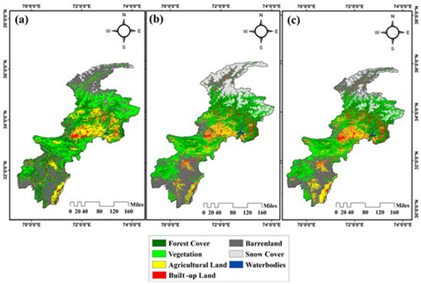
Figure 4 Land Use and Land Cover (LULC) Classification in KPK, Pakistan for different years (From Assessing the impact LULC on Environmental parameters in KPK, Pakistan )
- Habitat Loss and Fragmentation:
Habitat loss and fragmentation are major effects of land use and land cover changes on biodiversity. When natural areas are turned into farms, cities, roads, or industrial sites, ecosystems are disturbed and become smaller. This process destroys habitats and splits them into smaller, isolated patches, making it harder for many species to survive and maintain stable populations.
The Millennium Ecosystem Assessment (2005) identifies habitat destruction as a major cause of global biodiversity loss. Many species need unbroken habitats to feed, breed, and move. When these areas shrink or break apart, populations often drop, and extinction risks rise.
In Pakistan, habitat loss is evident in both the mountains and the lowlands. In the north, places like Gilgit Baltistan and Khyber Pakhtunkhwa have seen road building, tourism, and deforestation break up habitats for animals such as the snow leopard and Himalayan Ibex. In the Indus Delta, mangrove forests have shrunk due to land changes and reduced freshwater availability, harming coastal wildlife. Cities like Karachi and Lahore have also replaced natural areas and wetlands with buildings, leaving less space for nature.
When habitats are broken up, wildlife populations become isolated. This limits their movement and their ability to mix genes, weakening ecosystems over time.
- Species Decline and Extinction:
Changes in land use and land cover (LULC) are key driver of declines in many species and an increased risk of extinction worldwide. When natural habitats are changed or destroyed for farming, cities, deforestation, or new infrastructure, many species lose the conditions they need to survive. Smaller habitats, less food, and disrupted interactions with other species make it hard for them to adapt to these fast charges.
The international Union for Conservation of Nature (IUCN) says that habitat loss remains one of the main reasons species go extinct worldwide. When ecosystems are damaged, species that need specific habitats are usually the first to decline. More adaptable species might survive for a while, but they also face long-term challenges as environmental stress increases.
In Pakistan, many wildlife species are struggling due to land use changes. In the northern mountains, habitat fragmentation has put pressure on animals such as the snow leopard (Panthera Uncia) and the Himalayan ibex, which need large, connected areas to survive. In the lowlands, wetlands are being lost, and cities are growing, reducing habitats for migratory birds and freshwater species. In the Indus Delta, fewer mangroves have hurt fish populations and coastal biodiversity.
These changes do not just lower the number of species. They also disrupt important ecological relationships, such as pollination, predation, and seed dispersal, which help keep ecosystems stable. If LULC changes continue, they can cause local extinctions and a permanent loss of biodiversity in these areas.
- Loss of Ecosystem Services:
Another major result of Land use and Land cover (LULC) change is the loss of ecosystem services, which is closely linked to biodiversity decline. Ecosystem services are the benefits people get from nature, such as clean water, fertile soil, climate regulation, pollution, and flood control. When natural areas are turned into farms, cities or industrial zones, these important services are often reduced or interrupted.
In Pakistan, the loss of ecosystem services is evident across many areas. Fewer mangrove forests in the Indus Delta mean less protection from storms and fewer places for fish to breed. In the north, cutting down forests and changing land use have disrupted water systems, increasing the likelihood of landslides and seasonal floods.
When biodiversity drops, ecosystems become less stable and less able to provide the services people rely on. Protecting natural habitats is important not just for wildlife, but also for maintaining the systems that support human life.
Role of GIS and Remote Sensing in Monitoring LULC Change and Biodiversity:
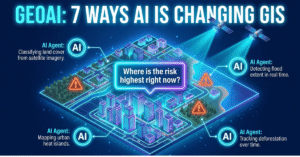
As environmental degradation and biodiversity loss continue to rise, GIS and remote sensing have become key tools for tracking landscape changes. Researchers use these technologies to monitor forests, urban expansion, glacier retreat, vegetation, and water bodies with satellite images and spatial analysis. Compared to traditional fieldwork, GIS and remote sensing offer faster, broader ways to detect environmental changes and identify at risk ecosystems.
Researchers often use satellite images from Landsat and Sentinel to compare changes in land cover over time. By classifying images and analyzing spatial data, they can see how forests turn into farmland, how cities grow into natural spaces, and how habitat fragmentation impacts biodiversity. GIS is also useful for creating maps, analyzing environmental trends, and supporting conservation planning.
In Pakistan, GIS and remote sensing have been increasingly applied in environmental research and disaster management. in Gilgit Baltistan and other northern mountain areas, satellite imagery has tracked glacier retreat, deforestation, and habitat loss that affect animals such as the snow leopard and Himalayan ibex. GIS-based flood maps after the 2022 floods helped find at risk communities and areas with damaged land. In the Indus Delta, remote sensing has revealed a significant decline in mangrove forests due to changes in the coast and reduced freshwater availability. However, it also supports sustainable land management and biodiversity conservation. By identifying high-risk areas and ecological hotspots, GIS and remote sensing help policymakers and researchers make more informed environmental decisions.
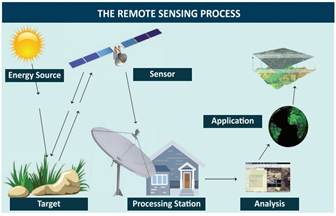
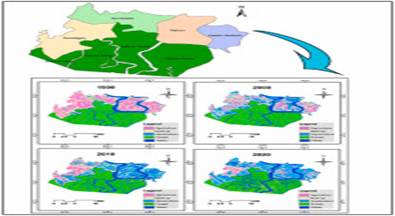
Figure 5 Role of GIS &RS in Land use & Land cover changes
Sustainable Land Management and Conservation Strategies:
To protect biodiversity from the effects of land use and land cover (LULC) changes, we need strong conservation strategies and sustainable land management. as people keep changing natural environments, it is more important than ever to balance development with protecting nature. Sustainable land management means using land using land in ways that meet our needs today while also keeping ecosystems and biodiversity healthy for the future.
Protecting and restoring natural habitats is a key approach. This includes planting new trees, replanting forests, and creating protected areas. By conserving forests, wetlands, and grasslands, we help keep ecosystems balanced and give wildlife safe places to live. In Pakistan, efforts such as large scale tree planting projects and community conservation programs have helped reduce environmental damage in some areas.
Sustainable urban planning is important for reducing habitat loss and breaking up ecosystems. Adding green spaces, urban forests, and eco-friendly infrastructure can lessen the environmental impact of growing cities. In the same way, using sustainable farming methods, such as careful land use and soil conservation, can ease the strain on natural ecosystems.
GIS and remote sensing technologies help conservation by identifying which ecosystems are at risk, tracking environmental changes, and supporting evidence-based decision making. Policymakers and environmental groups use these tools to develop better plans to protect biodiversity and reduced disaster risks.
In the long run, protecting the environment depends on careful planning, strong policies, raising public awareness, and using natural resources responsibly.
Conclusion:
Changes in land use and land cover (LULC) are now among the most significant environmental challenges to biodiversity and ecosystem stability worldwide. Fast urban growth, expanding agriculture, deforestation, new infrastructure, and climate change have rapidly altered natural landscapes, placing greater stress on ecosystem balance, and reduced important ecosystem services.
This issue is especially important in developing countries like Pakistan, where rapid population growth and unplanned development speed up environmental change. In Pakistan, land transformation in the northern mountains, cities, and coastal areas is affecting biodiversity and the ability of ecosystems to recover. The ongoing loss of natural habitats underscores the need for more sustainable land management and better environmental planning.
GIS and remote sensing technologies are useful for tracking environmental changes and supporting conservation efforts through accurate spatial analysis and better decision making. But technology alone is not enough. Protecting biodiversity also needs strong environmental policies, sustainable development plans, public awareness, and a long-term commitment to preserving natural ecosystems.
In the end, conserving biodiversity is crucial not just for wildlife but also for maintaining the ecological systems that support people, ensure environmental stability, and enable sustainable development.