
From landscapes to Loss: How Land Use and Land Cover changes threaten biodiversity
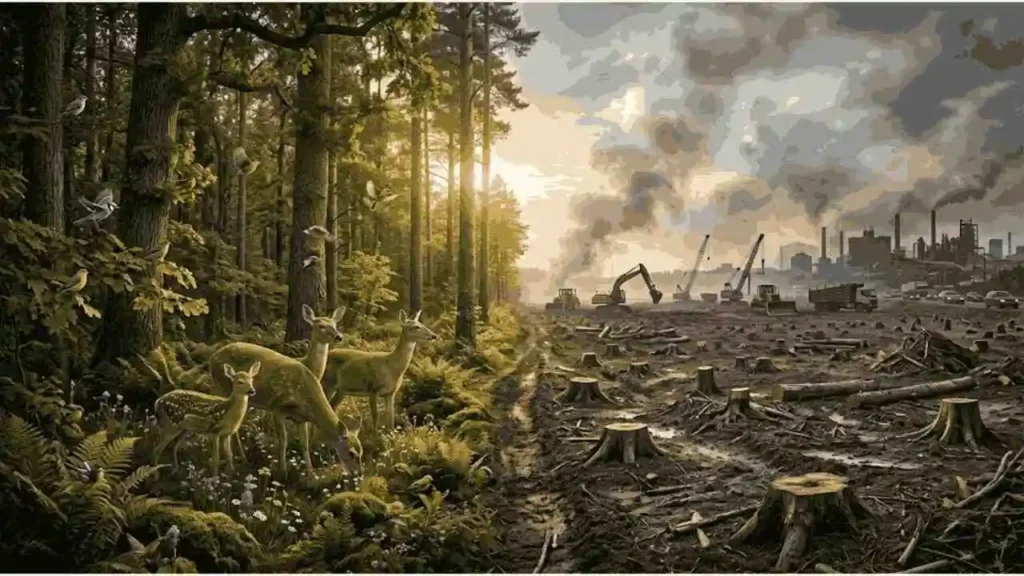
Introduction: Over the past few decades, human activities and development have rapidly changed the Earth’s natural landscapes. Forests are cleared for farming, cities are growing, and natural ecosystems are being altered to meet the needs of more people. These changes are explained by the concept of land use and land cover (LULC). Land use is […]
From Glaciers to Governance: Addressing Water Management Challenges in Gilgit Baltistan under Climate Change
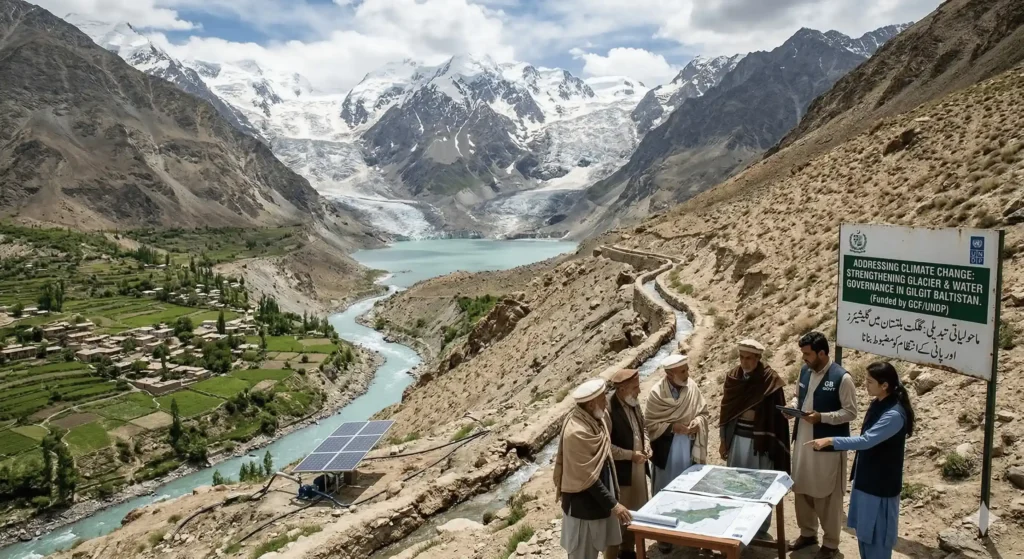
Introduction: Water is essential for mountain communities in Gilgit Baltistan. The region, fed by glaciers, seasonal snowmelt, and high-altitude streams, is part of the upper Indus Basin, one of South Asia’s most important water sources. But climate change is quickly altering these delicate water systems. Higher temperatures, changes in rainfall, and more unpredictable weather are […]
From Clean Air to Carbon Burden | The changing climate reality of Gilgit-Baltistan
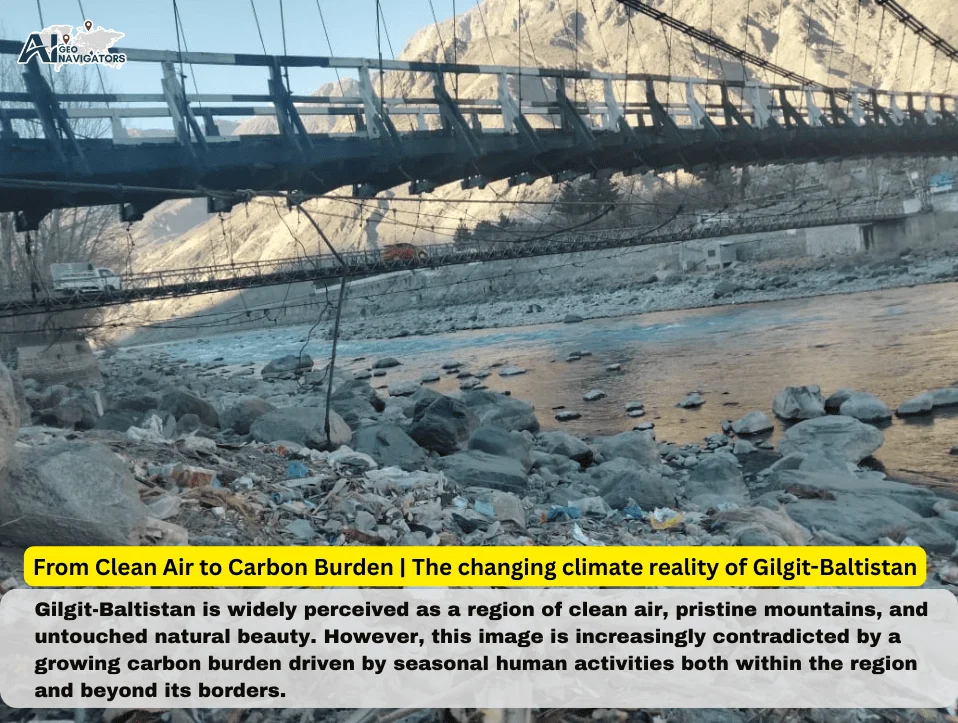
Gilgit-Baltistan is widely perceived as a region of clean air, pristine mountains, and untouched natural beauty. However, this image is increasingly contradicted by a growing carbon burden driven by seasonal human activities both within the region and beyond its borders. During harsh winters, communities heavily depend on fossil fuels, firewood, and coal for heating and […]
Monitoring the Melting Mountains: Glacier Change Detection through Remote Sensing in Gilgit-Baltistan
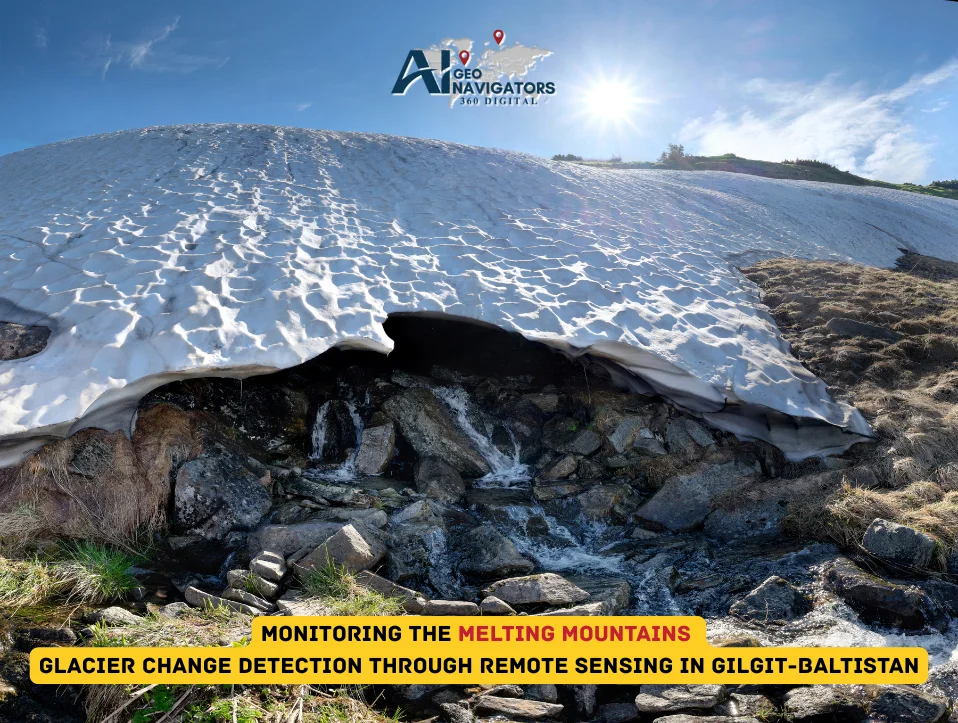
In the majestic mountains of Gilgit Baltistan, glaciers are not just symbols of beauty they are lifelines of Pakistan’s river systems, sustaining agriculture, hydropower, and ecosystems downstream. But these glaciers are under threat. Rising global temperatures, changing precipitation patterns, and human-induced climate change are accelerating glaciers melting at an alarming rate. To understand and respond […]