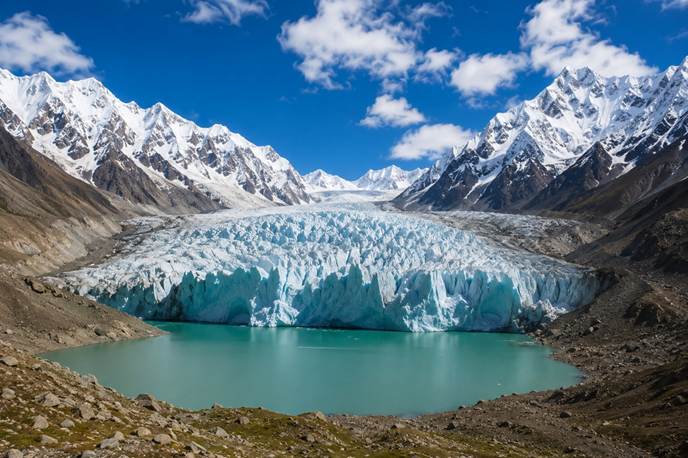
The towering mountains of Gilgit-Baltistan have long been regarded as symbols of strength, purity, and permanence. Covered with snow throughout much of the year and home to some of the largest glaciers outside the polar regions, this northern region of Pakistan has always appeared untouched by time. Travelers visiting Hunza, Skardu, Shigar, Ghizer, Gupis, Nagar, and other valleys often describe the landscape as magical a place where massive glaciers rest quietly beneath the world’s highest peaks.
Yet behind this breathtaking beauty, a slow and dangerous transformation is taking place.
The glaciers of Gilgit-Baltistan are melting at an alarming rate. Rivers are changing their flow patterns, glacial lakes are expanding, and mountain communities are becoming increasingly vulnerable to floods, water shortages, and environmental instability. What once seemed like distant scientific warnings about climate change are now becoming visible realities for the people living in these valleys.
This crisis is often called “silent” because it does not arrive with the sudden violence of an earthquake or cyclone. Instead, it unfolds gradually. The signs appear quietly less snowfall during winter, unusual heat during summer, disappearing ice patches, sudden flash floods, unstable agricultural seasons, and streams that no longer behave the way they once did.
For local communities, these are not isolated environmental changes. They are direct threats to livelihoods, food security, drinking water, infrastructure, and survival itself.
Gilgit-Baltistan is not only a mountainous tourist destination. It is one of the world’s most important freshwater storage regions. The glaciers located here feed rivers that sustain millions of people across Pakistan. In many ways, the future of water security in the country is directly connected to the health of these glaciers.
Today, however, that frozen reserve is under immense pressure.
The tragedy is that many people still fail to recognize the seriousness of what is happening in the mountains. Glacier melting is often discussed as a future problem, but for the people of Gilgit-Baltistan, it is already part of daily life.
The silent water crisis has begun.
The Geographic Importance of Gilgit-Baltistan
Gilgit-Baltistan occupies a unique position in the northern part of Pakistan. It is surrounded by three of the world’s most significant mountain ranges: the Karakoram, the Himalayas, and the Hindu Kush. This extraordinary geography gives the region immense environmental importance.
The area contains thousands of glaciers, including globally recognized glaciers such as Baltoro, Biafo, Hispar, Passu, Hopper, and Siachen. These glaciers are not merely tourist attractions or scientific features; they are natural water reservoirs storing enormous quantities of freshwater.
Unlike many other parts of Pakistan, Gilgit-Baltistan receives limited rainfall. Agriculture and daily life therefore depend heavily on glacier meltwater. Villages across the region have historically built irrigation channels that transport water from glaciers to fields and settlements. Without this system, farming in many valleys would not be possible.
The importance of these glaciers extends far beyond the region itself. Meltwater from northern glaciers contributes significantly to the Indus River system, which supports agriculture, drinking water supplies, hydropower production, and industries throughout Pakistan.
The Indus River is often described as the backbone of Pakistan’s economy. It irrigates vast agricultural lands in Punjab and Sindh and supports millions of livelihoods downstream. This means that changes occurring in the glaciers of Gilgit-Baltistan eventually affect people far beyond the mountains.
When glaciers melt too rapidly or shrink beyond recovery, the consequences are not limited to local communities. The entire country can face water insecurity.
Understanding Glaciers and Their Natural Role
To understand why glacier melting is dangerous, it is important to understand how glaciers function naturally.
Glaciers form when snowfall accumulates over many years in high-altitude regions. As layers of snow compress under pressure, they gradually transform into dense ice. These enormous ice masses move slowly due to gravity and temperature changes.
Glaciers act like natural water storage systems. During winter, they store frozen water in the form of snow and ice. During warmer months, they release water gradually through melting. This process creates a stable flow of freshwater into rivers and streams.
For centuries, this natural cycle remained relatively balanced. Communities could predict water availability according to seasonal patterns. Farmers knew when irrigation channels would fill, shepherds understood grazing conditions, and settlements adapted to stable environmental rhythms.
Climate change is now disrupting this balance.
When temperatures rise significantly, glaciers begin melting faster than they can regenerate through snowfall. Over time, the glacier loses mass and starts shrinking.
Initially, increased melting may produce more water in rivers. However, this temporary increase is misleading because glaciers are finite reserves. Once excessive melting reduces glacier size significantly, water flow eventually declines.
This creates a dangerous long-term situation: short-term flooding followed by future water scarcity.
Climate Change and Rising Temperatures
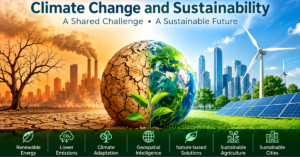
Climate change is the driving force behind glaciers melting across the world, and Gilgit-Baltistan is among the region’s most vulnerable to its impacts.
Global temperatures are increasing due to greenhouse gas emissions produced mainly through human activities such as burning fossil fuels, industrial pollution, deforestation, and unsustainable development practices.
Although Pakistan contributes relatively little to global carbon emissions, it ranks among the countries most affected by climate change. Mountain ecosystems are especially sensitive because even slight temperature increases can significantly affect snow and ice.
In Gilgit-Baltistan, people are already observing noticeable environmental changes.
Older residents often recall winters that were far colder and longer than those experienced today. Snowfall patterns have become irregular in many valleys. Summers are increasingly hot, and glaciers that once appeared stable now show visible retreat.
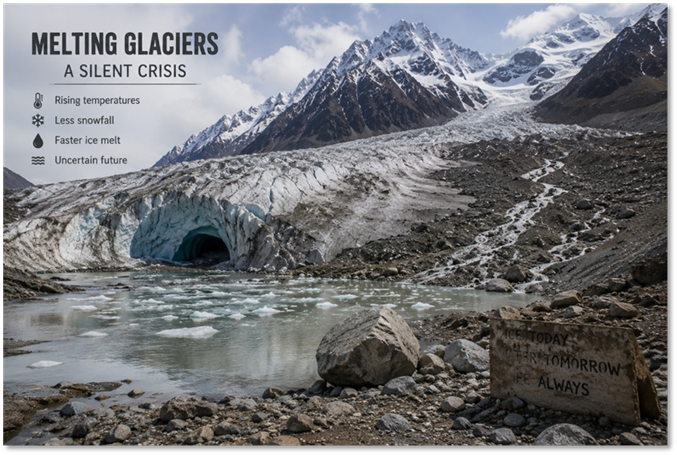
Many communities report that streams dry earlier than before, while sudden floods have become more frequent during periods of intense heat or heavy rainfall.
One particularly dangerous factor is the warming of high-altitude regions. Scientific studies suggest that mountainous areas often experience climate change more rapidly than lower regions. This means glaciers in Gilgit-Baltistan are exposed to accelerated environmental stress.
Another issue contributing to glacier melting is black carbon pollution. Dust and smoke particles from vehicles, industries, brick kilns, and forest fires settle on glacier surfaces. Clean snow naturally reflects sunlight, but darkened ice absorbs more heat, causing faster melting.
Deforestation further worsens environmental instability. Forests help regulate temperatures, reduce soil erosion, and protect ecosystems. Their destruction weakens the natural resilience of mountain environments.
The combined impact of rising temperatures, pollution, and environmental degradation is transforming the glaciers faster than many communities can adapt.
Glacial Lake Outburst Floods (GLOFs): A Growing Threat
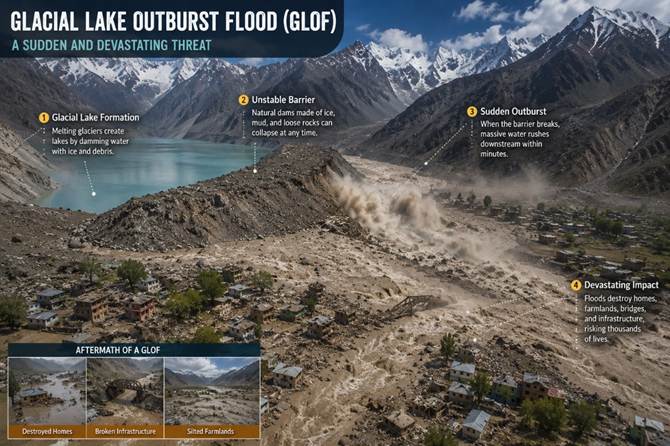
One of the most dangerous consequences of glacier melting in Gilgit-Baltistan is the formation of glacial lakes.
As glaciers retreat, meltwater accumulates behind unstable barriers made of ice, rocks, and debris. Over time, these lakes can become dangerously large. If the natural barrier collapses, massive quantities of water rush downstream suddenly, causing catastrophic floods.
These events are known as Glacial Lake Outburst Floods, commonly called GLOFs.
In recent years, Gilgit-Baltistan has experienced an increasing number of GLOF incidents. Villages located near glaciers and rivers face constant danger during summer months when temperatures rise rapidly.
A GLOF can destroy roads, bridges, homes, agricultural land, and even entire settlements within minutes. Unlike ordinary floods, these events often occur suddenly and with enormous force.
For mountain communities, fear of glacial floods has become part of everyday life.
Families living near rivers constantly monitor water levels and weather conditions. Parents worry about children traveling to schools during unstable weather. Farmers fear losing crops that support their annual income.
Infrastructure damage caused by floods also creates isolation. When roads and bridges collapse, remote communities may remain cut off from hospitals, markets, and emergency services for days or weeks.
The psychological stress associated with living under constant environmental threat is rarely discussed, but it deeply affects local populations.
Agriculture Under Threat
Agriculture is one of the sectors most affected by glacier melt and climate instability in Gilgit-Baltistan.
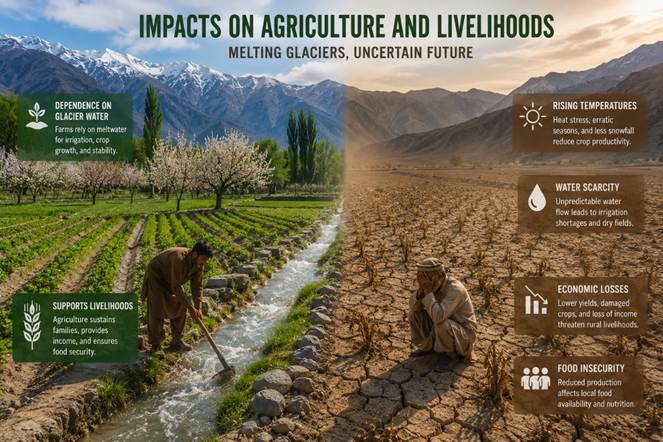
Most farming in the region depends directly on glacier-fed irrigation systems. Traditional water channels transport meltwater from mountains to agricultural fields. These systems have sustained local communities for centuries.
However, unpredictable glacier behavior is now disrupting farming patterns.
Some villages experience water shortages during critical growing seasons, while others suffer crop damage due to sudden flooding. Changing temperatures also affect planting schedules, soil conditions, and fruit production.
Apricot orchards, apple trees, wheat fields, barley cultivation, and vegetable farming all depend on stable environmental conditions. When water availability becomes uncertain, food security is threatened.
Livestock farming is also impacted. Rising temperatures alter grazing conditions in mountain pastures. Reduced snowfall affects natural vegetation growth, creating additional challenges for herders.
For many families, agriculture is not only a source of food but also the primary source of income. Environmental instability therefore directly increases poverty and economic insecurity.
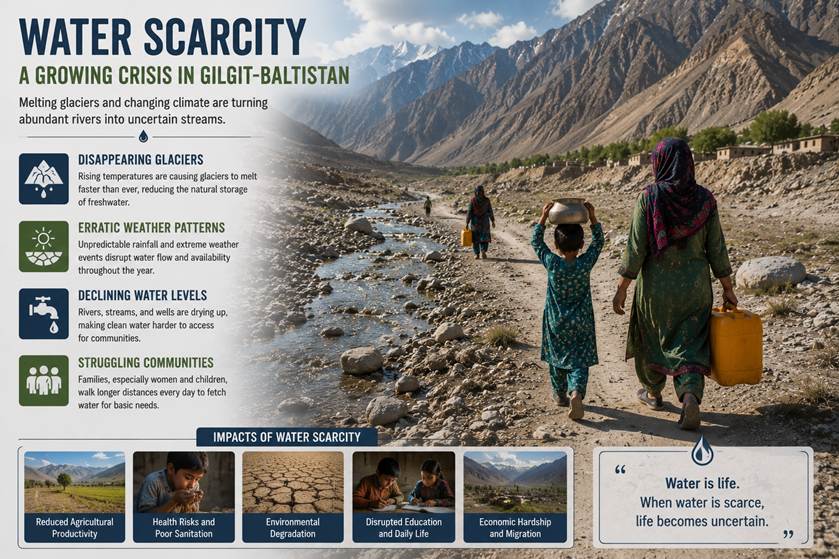
Water Scarcity in a Land of Ice
One of the greatest ironies of the glacier crisis is that regions surrounded by ice are beginning to fear water shortages.
At first glance, glacier melt appears to provide abundant water. Rivers swell during warmer periods, and streams carry increased flow. However, this situation is temporary.
As glaciers continue shrinking, long-term freshwater reserves decline. Eventually, rivers that once depended on glacier melt may carry significantly less water during dry seasons.
Some communities in Gilgit-Baltistan are already experiencing seasonal shortages. Women and children sometimes travel long distances to collect water for household use. Farmers are forced to ration irrigation supplies carefully.
Water disputes between villages can also emerge when resources become limited.
If glacier retreat continues unchecked, future generations may face severe water insecurity despite living among mountains once covered in permanent ice.
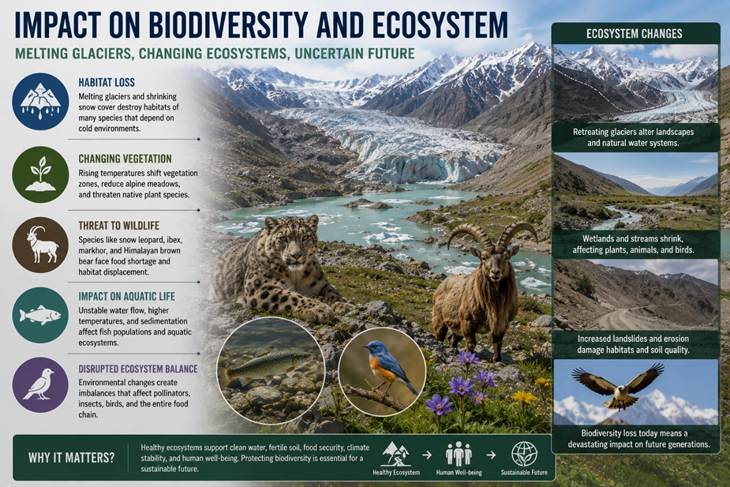
Impact on Biodiversity and Ecosystems
The glacier crisis also threatens the unique biodiversity of Gilgit-Baltistan.
Mountain ecosystems are highly sensitive and interconnected. Changes in snow cover, temperature, and water availability affect wildlife habitats, vegetation patterns, and ecological balance.
Species adapted to cold climates may struggle to survive as temperatures rise. Changes in river flow affect aquatic ecosystems, while landslides and floods damage forests and natural habitats.
The environmental transformation of mountain regions can therefore lead to broader ecological instability.
Protecting glaciers is not only about preserving water; it is also about protecting entire ecosystems.
Tourism and Environmental Pressure
Tourism plays an increasingly important role in the economy of Gilgit-Baltistan. Thousands of tourists visit the region every year to experience its natural beauty.
However, climate change threatens tourism infrastructure through floods, landslides, road damage, and unstable weather conditions.
At the same time, uncontrolled tourism can place additional pressure on fragile mountain ecosystems. Plastic waste, pollution, deforestation, and unplanned construction contribute to environmental degradation.
Sustainable tourism practices are therefore essential.
Protecting glaciers requires balancing economic development with environmental conservation.
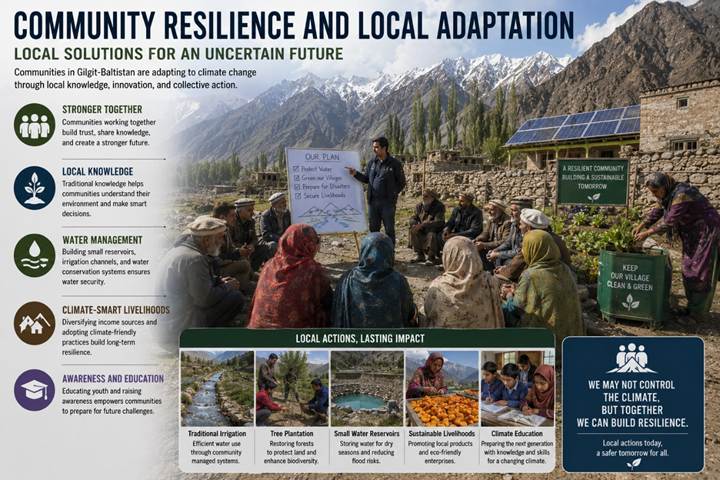
Community Resilience and Local Adaptation
Despite the seriousness of the crisis, communities in Gilgit-Baltistan continue demonstrating resilience and innovation.
Local people possess generations of environmental knowledge. Traditional irrigation systems, water-sharing practices, and farming methods reflect deep understanding of mountain ecosystems.
Some communities are now experimenting with artificial glaciers and water storage techniques to manage seasonal shortages. Others are strengthening disaster preparedness through local cooperation and early warning systems.
Youth organizations and environmental activists are also raising awareness about climate change and conservation.
However, local efforts alone cannot solve the problem. Communities need institutional support, investment, and national attention.
What Needs to Be Done?
Addressing the glacier crisis requires urgent action at multiple levels.
Strengthening Climate Policies
Pakistan must prioritize climate adaptation and environmental protection. Policies focused on glacier monitoring, sustainable development, and disaster management are essential.
Improving Disaster Preparedness
Communities vulnerable to floods require better early warning systems, evacuation plans, emergency shelters, and resilient infrastructure.
Promoting Reforestation
Protecting forests can improve ecological stability, reduce erosion, and strengthen climate resilience.
Supporting Scientific Research
Accurate glacier monitoring and environmental data are necessary for understanding long-term risks and planning solutions.
Raising Public Awareness
Many people still underestimate the seriousness of glacier melting. Public education can help create stronger environmental responsibility.
Global Climate Action
Ultimately, glacier protection depends on reducing global carbon emissions. Climate change is an international problem requiring international cooperation.
Conclusion: The Mountains Are Sending a Warning
The melting glaciers of Gilgit-Baltistan represent one of the most important environmental challenges facing Pakistan today. This crisis is not only about ice disappearing from mountains. It is about water security, food production, disaster risks, livelihoods, migration, culture, and the future of millions of people. The most dangerous aspect of the crisis is its silence. Glacier melt occurs gradually, often unnoticed by those living far from the mountains. Yet its consequences are becoming increasingly severe. The people of Gilgit-Baltistan are already witnessing the transformation of their environment. Rivers are changing, floods are increasing, and uncertainty is becoming part of daily life.
The mountains are sending a clear warning to humanity.
If the world continues ignoring climate change, the damage will extend far beyond remote glaciers. Water scarcity, environmental disasters, and ecological instability could affect entire regions and future generations.
Protecting the glaciers of Gilgit-Baltistan is therefore not only an environmental responsibility. It is a human responsibility.
The silent water crisis is no longer a distant possibility.
It is already unfolding in the mountains of northern Pakistan.