Introduction
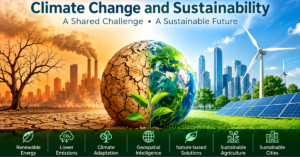
Climate change has become one of the greatest challenges facing humanity in the twenty-first century. Around the world, people are experiencing the impacts of rising temperatures, changing weather patterns, melting glaciers, severe floods, droughts, heatwaves, storms, and landslides. These climate-induced disasters are no longer occasional events; they are becoming more frequent, more intense, and more destructive with each passing year. Communities living in vulnerable regions are facing enormous pressure on their livelihoods, infrastructure, health, agriculture, and natural resources. Developing countries are particularly at risk because they often lack the financial resources, advanced infrastructure, and disaster management systems needed to cope with these environmental threats.
Despite these growing challenges, many communities continue to show remarkable strength and adaptability. Their ability to prepare for disasters, respond during emergencies, recover afterward, and adapt to changing environmental conditions is known as community resilience. Community resilience is now considered one of the most important approaches to reducing the impacts of climate-induced disasters. It focuses on empowering local people, strengthening social systems, improving preparedness, and promoting sustainable development. Instead of relying entirely on external support, resilient communities actively participate in protecting themselves and rebuilding them after disasters occur.
Community resilience is not simply about surviving disasters. It is about creating stronger and safer societies that can adapt to future risks while maintaining social stability and economic development. Resilience involves cooperation, awareness, education, environmental conservation, strong leadership, and collective action. In recent years, governments, researchers, and international organizations have increasingly recognized that local communities play a central role in climate adaptation and disaster risk reduction.
Understanding Climate-Induced Disasters
Climate-induced disasters refer to natural hazards that are caused or intensified by climate change. Rising global temperatures have disrupted weather systems and environmental processes across the world, leading to more extreme climatic events. Floods, droughts, cyclones, heatwaves, wildfires, sea-level rise, and glacial lake outburst floods are becoming increasingly common in many regions. These disasters not only damage infrastructure and ecosystems but also threaten food security, water availability, public health, and economic stability.
One of the most concerning aspects of climate-induced disasters is their unpredictability and growing intensity. Regions that previously experienced moderate weather conditions are now facing unusual rainfall, prolonged droughts, and extreme temperature variations. Climate change has also increased the vulnerability of communities that depend heavily on agriculture, livestock, fisheries, and natural resources for their survival. In many cases, repeated disasters force families into poverty and displacement, creating long-term social and economic challenges.
Climate-induced disasters also have serious environmental consequences. Forest destruction, soil erosion, water contamination, glacier retreat, and biodiversity loss are becoming major global concerns. These environmental changes further weaken the ability of ecosystems to protect communities from natural hazards, increasing disaster risks even more.
Meaning of Community Resilience
Community resilience refers to the ability of individuals and communities to anticipate, prepare for, respond to, and recover from disasters effectively. A resilient community can reduce risks, protect vulnerable populations, maintain social stability, and rebuild after crises. Resilience is not limited to physical infrastructure alone; it also includes social relationships, economic stability, cultural values, environmental management, and institutional support.
Communities with strong resilience are usually better organized and more prepared for emergencies. They have awareness about climate risks, access to information, strong social networks, and local leadership structures that support collective action during difficult times. Resilient communities also learn from past disasters and continuously improve their preparedness and adaptation strategies.
The concept of resilience emphasizes long-term sustainability rather than short-term recovery. Instead of returning to the same vulnerable conditions after a disaster, resilient communities work toward reducing future risks and strengthening their adaptive capacity. This approach helps communities face climate challenges more effectively while protecting lives and livelihoods.
Causes of Increasing Climate Vulnerability
One of the major reasons behind increasing climate vulnerability is global warming. Human activities such as burning fossil fuels, industrialization, and deforestation have increased greenhouse gas concentrations in the atmosphere, causing temperatures to rise worldwide. Rising temperatures contribute to glacier melting, sea-level rise, irregular rainfall patterns, and extreme weather events. These environmental changes directly increase disaster risks for vulnerable populations.
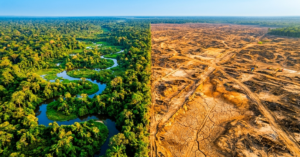
Deforestation and environmental degradation also contribute significantly to climate vulnerability. Forests play an important role in regulating climate, conserving water, preventing soil erosion, and reducing flood risks. However, rapid deforestation caused by agriculture, urban expansion, and illegal logging has weakened natural ecosystems in many regions. Without forests and healthy ecosystems, communities become more exposed to floods, landslides, droughts, and other environmental hazards.
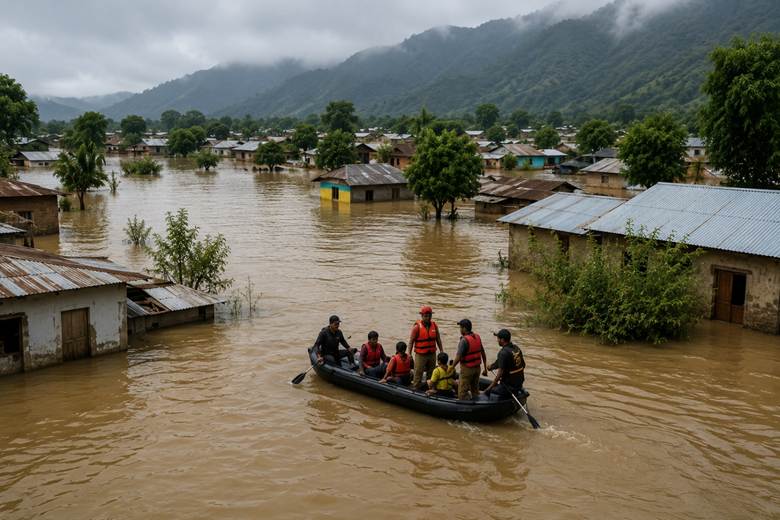
Rapid urbanization has created additional challenges for disaster management. Many cities are expanding without proper planning, resulting in overcrowded settlements, poor drainage systems, weak infrastructure, and environmental pollution. Urban populations living in informal settlements often face severe risks during floods, storms, and heatwaves because of poor housing conditions and limited access to emergency services.
Poverty is another major factor that increases vulnerability to climate-induced disasters. Poor communities usually lack access to quality healthcare, education, insurance, safe housing, and financial resources. They are often forced to live in high-risk areas such as floodplains, unstable mountain slopes, or drought-prone regions. As a result, disasters have a much greater impact on their lives and livelihoods.
Importance of Community Resilience
Community resilience is essential because it helps reduce the impacts of disasters and improves the ability of societies to recover quickly. Prepared communities can respond more effectively during emergencies, reducing casualties, property damage, and economic losses. Resilience also helps protect livelihoods, social systems, and local economies from long-term disruption.
Another important benefit of resilience is that it strengthens social unity and cooperation. During disasters, communities with strong relationships and trust among members are more likely to support each other through rescue efforts, food sharing, temporary shelter, and emotional assistance. Social cohesion becomes especially valuable when government support is delayed or limited.
Resilience also contributes to sustainable development. Communities that invest in preparedness, environmental protection, and adaptive strategies are better equipped to manage future climate risks. Instead of repeatedly suffering major setbacks after each disaster, resilient communities can continue progressing socially and economically while adapting to environmental changes.
Role of Awareness and Education
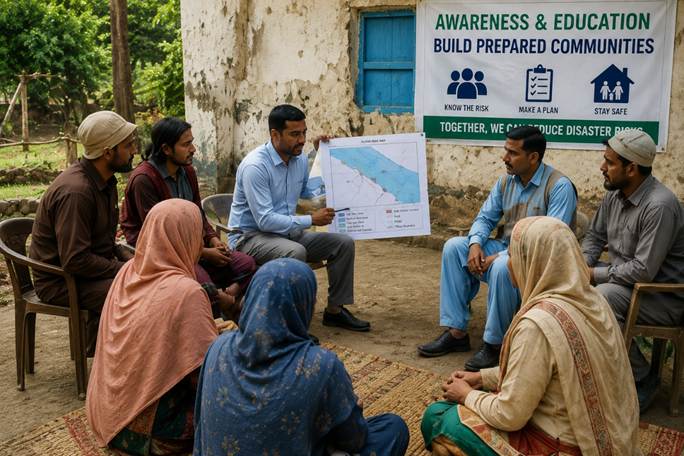
Awareness and education are among the most effective tools for strengthening community resilience. Communities that understand climate risks are more likely to prepare for disasters and adopt preventive measures. Public awareness campaigns help people recognize warning signs, understand evacuation procedures, and adopt sustainable environmental practices.
Educational institutions play a major role in building resilience by integrating climate education into school and university curriculum. Students can learn about disaster preparedness, environmental conservation, climate science, and sustainable development. This knowledge helps create future generations that are more informed and capable of responding to environmental challenges.
Community training programs also improve resilience by teaching practical skills such as first aid, emergency response, water conservation, and disaster management. In many rural areas, awareness campaigns conducted by local organizations and volunteers have significantly improved disaster preparedness and reduced vulnerabilities.
Indigenous Knowledge and Traditional Practices
Indigenous knowledge has become increasingly important in climate adaptation and resilience-building efforts. Local communities have developed traditional methods of environmental management and disaster response over centuries of experience. These practices often include sustainable farming techniques, water conservation methods, weather forecasting, and ecosystem protection.
Traditional knowledge is especially valuable in remote and mountainous regions where scientific data and modern infrastructure may be limited. Local people often understand environmental patterns and natural warning signs better than outsiders because of their close relationship with the environment.
Combining indigenous knowledge with modern science can create more effective adaptation strategies. For example, traditional irrigation systems can be improved with modern water management technologies, while local weather observations can support scientific forecasting systems. This integration of knowledge helps communities adapt more effectively to climate-related challenges.
Social Cohesion and Community Cooperation
Strong social relationships are one of the foundations of community resilience. During disasters, communities often rely on family members, neighbors, volunteers, and local organizations for support. Social cooperation allows communities to organize rescue operations, distribute resources, care for vulnerable individuals, and rebuild damaged infrastructure.
Communities with strong social cohesion usually recover more quickly after disasters because people trust each other and work together toward common goals. Shared cultural values, local traditions, and community networks strengthen collective action during emergencies.
In many rural areas, local cooperation systems have existed for generations. Communities often share labor, water resources, food supplies, and agricultural support during difficult times. These traditional support systems continue to play a vital role in resilience-building efforts today.
Economic Stability and Sustainable Livelihoods
Economic stability is an important factor in reducing disaster vulnerability. Communities that depend on a single source of income are often more vulnerable to climate-related shocks. For example, farmers who rely entirely on rainfall-based agriculture may suffer severe losses during droughts or floods.
To strengthen resilience, many communities are diversifying their livelihoods by developing alternative income sources such as tourism, handicrafts, small businesses, and livestock farming. Diversification reduces dependency on climate-sensitive activities and improves financial security.
Climate-smart agriculture has also become an important strategy for resilient farming communities. Farmers are increasingly adopting sustainable agricultural practices such as crop diversification, drought-resistant crops, soil conservation, and efficient irrigation techniques. These approaches help maintain agricultural productivity despite changing climate conditions.
Water Resource Management
Water scarcity is becoming a serious issue in many climate-vulnerable regions due to glacier retreat, droughts, irregular rainfall, and increasing population pressure. Access to clean and reliable water supplies is essential for human health, agriculture, and economic activities.
Communities are adopting various water management strategies to improve resilience. Rainwater harvesting, watershed management, efficient irrigation systems, and community water-sharing arrangements help reduce water stress and improve sustainability. In mountainous regions, traditional water channels are being restored and improved to support agriculture and domestic water needs.
Proper water management not only improves resilience against droughts but also reduces conflicts over water resources and supports long-term community development.
Role of Women in Building Resilience
Women play a central role in community resilience because they are often responsible for managing household resources, collecting water, preparing food, and caring for family members. During disasters, women frequently take leadership roles in community support activities, awareness campaigns, and recovery efforts.
However, women are also among the most vulnerable groups affected by climate change. Social inequalities, limited access to education, financial dependency, and restricted participation in decision-making processes often increase their vulnerability during disasters.
Empowering women through education, leadership opportunities, financial support, and participation in disaster planning significantly strengthens community resilience. When women are included in decision-making processes, adaptation strategies become more inclusive and effective.
Youth Participation in Climate Action
Young people are becoming powerful voices in climate action and disaster resilience. Across the world, youth groups are participating in environmental campaigns, awareness programs, volunteer activities, and climate advocacy movements. Their energy, creativity, and technological skills make them valuable contributors to resilience-building efforts.
In many communities, young volunteers assist in emergency response activities, tree plantation campaigns, disaster awareness workshops, and environmental conservation projects. Social media platforms have also enabled youth to spread climate awareness and mobilize collective action more effectively.
Youth participation is especially important because future generations will face the long-term consequences of climate change. Encouraging young people to engage in climate adaptation and sustainability efforts helps build a stronger and more resilient society.
Environmental Conservation and Ecosystem Protection
Healthy ecosystems provide natural protection against climate-induced disasters. Forests reduce soil erosion and flood risks, wetlands absorb excess water during heavy rainfall, and mangroves protect coastal communities from storms and erosion.
Unfortunately, environmental degradation caused by deforestation, pollution, mining, and unsustainable development has weakened many natural protection systems. As ecosystems deteriorate, communities become more exposed to climate hazards.
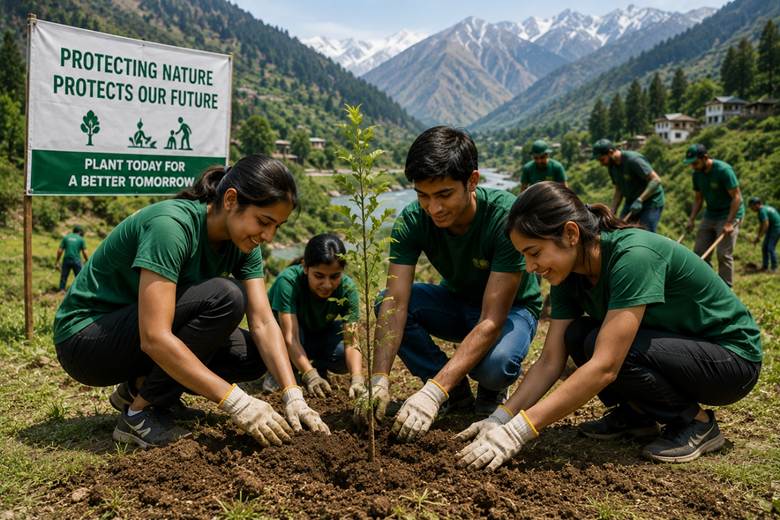
Environmental conservation is therefore essential for resilience-building. Tree plantation, watershed protection, biodiversity conservation, sustainable land management, and ecosystem restoration projects help reduce disaster risks while improving environmental sustainability.
Technology and Disaster Management
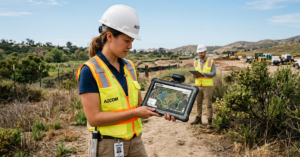
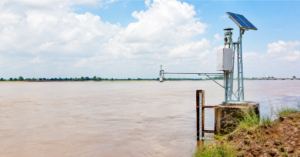
Technology has become an important tool in strengthening resilience against climate-induced disasters. Geographic Information Systems (GIS), remote sensing, satellite monitoring, and climate modeling help identify vulnerable areas and support disaster planning.
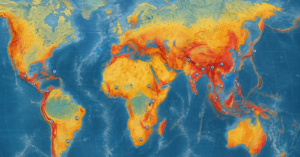
Satellite imagery allows researchers and disaster management authorities to monitor glacier changes, flood-prone zones, land-use patterns, and environmental degradation. GIS-based mapping also helps communities identify evacuation routes, safe zones, and hazard-prone areas.
Mobile communication and social media platforms have improved emergency communication significantly. Communities can now receive warnings, share information, and coordinate disaster response efforts more quickly than ever before.
Pakistan and Climate-Induced Disasters
Pakistan is one of the most vulnerable country to climate change despite contributing very little to global greenhouse gas emissions. The country faces multiple climate-related hazards including floods, droughts, heatwaves, glacier melting, and water scarcity.
The devastating floods of 2022 highlighted the severe impacts of climate-induced disasters in Pakistan. Millions of people were displaced, agricultural land was destroyed, infrastructure was damaged, and economic losses reached billions of dollars. However, local communities, volunteers, humanitarian organizations, and youth groups played a critical role in rescue and recovery operations.
In northern Pakistan, particularly in mountainous regions such as Gilgit-Baltistan, communities are increasingly facing threats from glacier melting and glacial lake outburst floods. Local adaptation projects involving tree plantation, protective infrastructure, awareness campaigns, and disaster preparedness programs have shown positive results in improving resilience.
Challenges in Building Community Resilience
Despite growing awareness about climate adaptation, many challenges continue to limit resilience-building efforts. Financial constraints remain one of the biggest barriers, especially in developing countries where resources for infrastructure development and disaster management are limited.
Weak governance, poor planning, and lack of institutional coordination also reduce the effectiveness of disaster management strategies. In many regions, communities still lack access to early warning systems, emergency services, and climate information.
Environmental degradation, population growth, and political instability further complicate resilience efforts. Addressing these challenges requires long-term commitment, investment, and cooperation between governments, communities, researchers, and international organizations.
Conclusion
Community resilience against climate-induced disasters has become one of the most important priorities of the modern era. Climate change is increasing the frequency and intensity of floods, droughts, storms, heatwaves, and glacier-related hazards, threatening millions of people worldwide. In response to these growing risks, resilient communities are emerging as a powerful solution for reducing vulnerability and promoting sustainable development.
Resilience is built through awareness, education, social cooperation, economic stability, environmental conservation, technological innovation, and inclusive governance. Communities that actively participate in disaster preparedness and adaptation efforts are better equipped to protect lives, livelihoods, and natural resources.
The strength of community resilience lies in collective action and human adaptability. Even in the face of severe disasters, communities continue to rebuild homes, restore livelihoods, and support one another. Their determination demonstrates that while climate change presents enormous challenges, cooperation and resilience can help societies overcome environmental uncertainties and build a safer future for generations to come.