Introduction
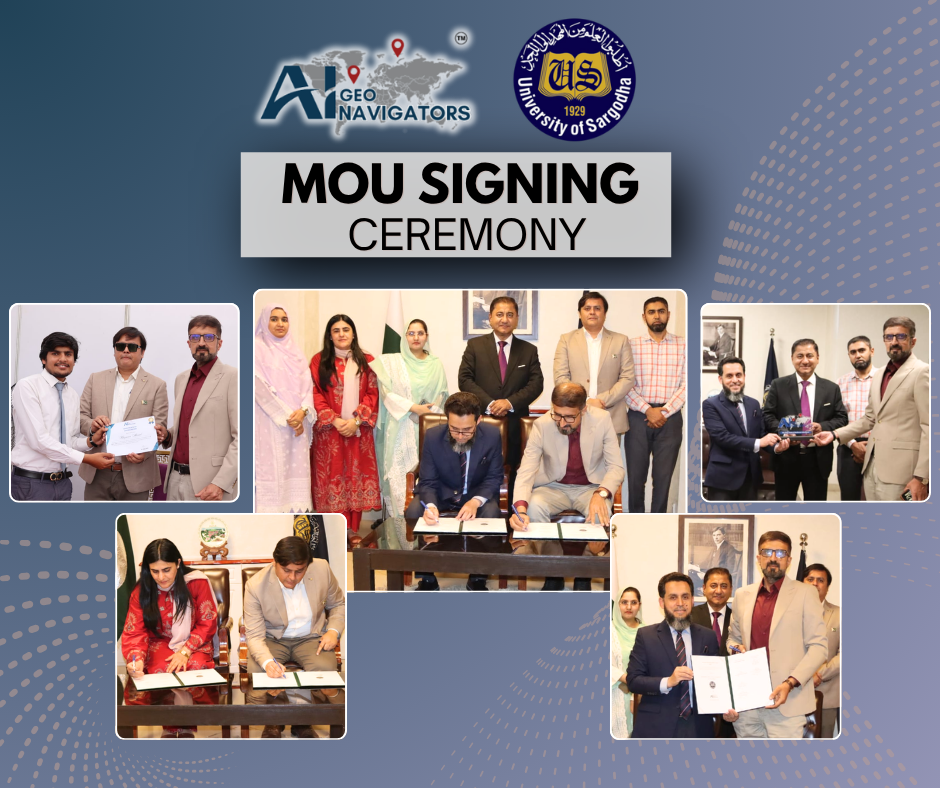
In an era where the gap between academic knowledge and industry requirements continues to widen, meaningful collaborations are no longer optional they are essential. Addressing this critical need, AI Geo Navigators has taken a forward-thinking step by signing a Memorandum of Understanding (MoU) with University of Sargodha.
This partnership represents more than a formal agreement it signals a shared vision to transform how students transition from classrooms to careers. By integrating practical exposure with academic learning, this initiative aims to redefine student opportunities, professional readiness, and innovation in Pakistan.
Why This Collaboration Matters More Than Ever
Pakistan’s education system has long faced a challenge: students graduate with theoretical knowledge but limited real-world experience. This mismatch often leads to:
- Difficulty in securing jobs
- Lack of industry-relevant skills
- Reduced confidence among fresh graduates
This is where collaborations like the one between AI Geo Navigators and Sargodha University become critical.
By bringing industry insights directly into academia, such partnerships help students:
- Understand real-world applications of their studies
- Gain exposure to emerging technologies like AI and geospatial analysis
- Build networks before entering the job market
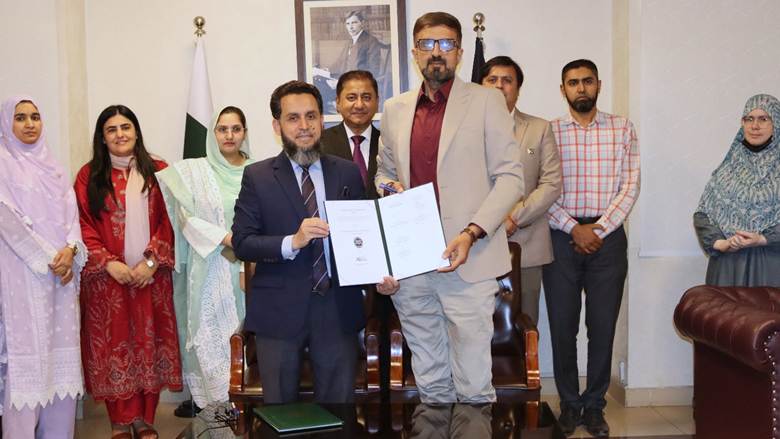
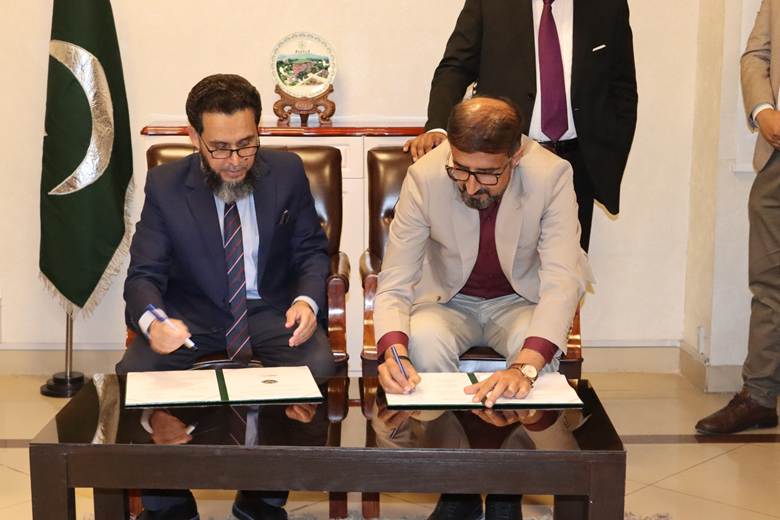
The MoU Signing: A Strategic Milestone
The MoU was officially signed by Mr. Asim Javid, CEO of AI Geo Navigators, while Dr. Syed Haroon Ali represented Sargodha University as the focal person.
This agreement lays the foundation for a long-term collaboration focused on:
- Knowledge sharing
- Skill development
- Research and innovation
- Career advancement opportunities
Unlike traditional partnerships, this initiative is designed to be action-oriented, ensuring students benefit from tangible learning experiences rather than just theoretical frameworks.
Core Objectives of the Partnership
This collaboration is built around several key goals that directly impact students, educators, and the industry.
1. Bridging the Academia-Industry Gap
One of the primary objectives is to eliminate the disconnect between classroom education and workplace expectations.
Through this partnership, students will gain:
- Exposure to real-world projects
- Insight into industry workflows
- Understanding of modern tools and technologies
2. Promoting Practical Learning
Traditional education often lacks hands-on experience. AI Geo Navigators aims to change that by introducing:
- Workshops and training sessions
- Live project opportunities
- Internship programs
These initiatives will help students learn by doing, which is essential in fields like AI, GIS, and data analysis.
3. Enhancing Student Engagement
Student engagement goes beyond lectures and exams. Through this MoU, students will:
- Interact with industry experts
- Participate in career-building activities
- Gain mentorship from professionals
This creates a more dynamic and inspiring learning environment.
4. Supporting Career Development
The ultimate goal is to prepare students for successful careers.
This includes:
- Resume-building support
- Interview preparation
- Direct hiring opportunities
Such initiatives significantly improve employability rates among graduates.
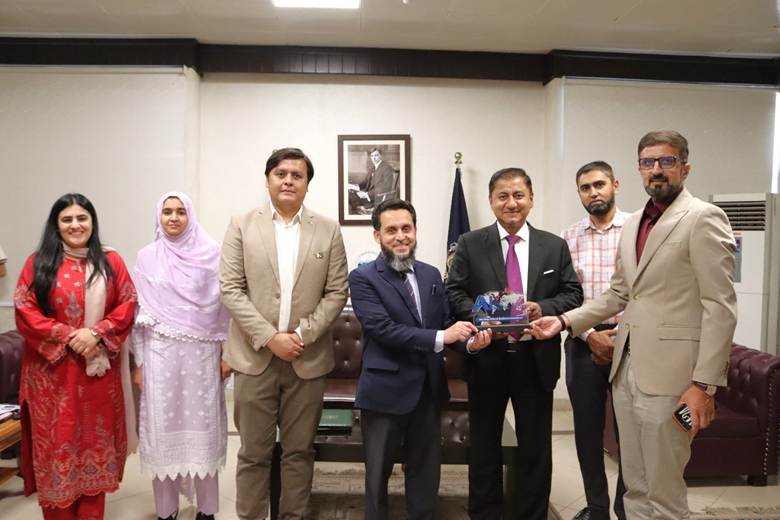
Participation in the Job Fair: Connecting with Future Talent
As part of this collaboration, AI Geo Navigators actively participated in the university’s job fair.
The company set up a booth that became a hub of activity, attracting a large number of students eager to explore career opportunities.
Key Highlights from the Job Fair:
- Direct interaction between students and industry professionals
- On-the-spot career guidance and mentorship
- Identification of high-potential candidates
- Increased awareness about AI and geospatial careers
This engagement provided valuable insights into the talent pool emerging from Pakistani universities.
The Role of AI Geo Navigators in Industry Innovation
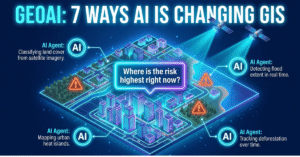
AI Geo Navigators is at the forefront of integrating Artificial Intelligence (AI) with geospatial technologies.
Their work includes:
- Smart mapping solutions
- Data-driven decision-making tools
- Geographic information systems (GIS) applications
By collaborating with academic institutions, the company is not only expanding its reach but also investing in the future workforce.