1. Circular Economy in Pakistan: Why It Matters Now
In most systems, the linear economy is practically implemented in Pakistan. Resources are consumed to make products and then discarded after use. This process is depleting resources and generating waste. The report 2024-25 from World Bank and UNDP states that Pakistan generates approximately 50 million tons of solid waste annually, and 60% to 90% of this is mismanaged. These waste materials are deteriorating the quality of air, soil and water, ultimately the health of human beings. Circular economy presents the solution for all these problems.
Unlike linear economy (take, make and waste) model, circular economy presents a circulating model of consumption and production of materials and products. It increases the life cycle of the product and reduces its impact on the environment and economy. The model involves processes such as reduce, reuse, recycle, repair to keep product in cycle for a long run. This increases the value of the product with time otherwise it will convert into waste after one time utilization.
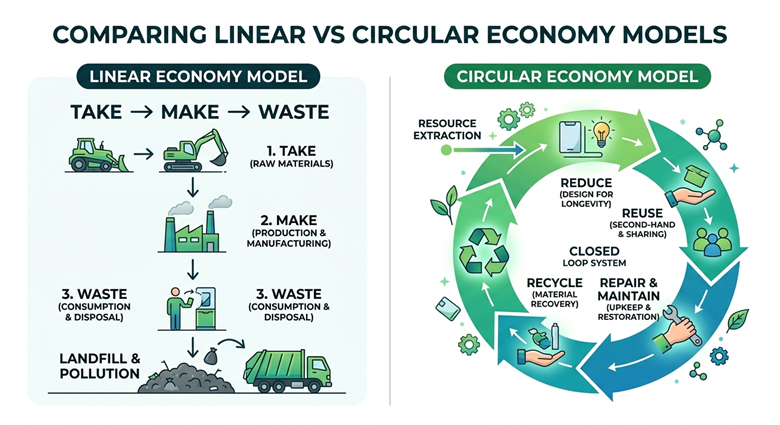
Figure 1: Linear vs Circular Economy Model
2. Rising Waste and Environmental Pressure in Cities
The waste materials from any source is directly linked with greenhouse gases generation during its decay and discarding; organic waste will generate methane gas and burning of waste will release carbon dioxide gas into the atmosphere. The accumulation of these gases in atmosphere will lead to global warming and ultimately contribute to climate change.
The major cities of Pakistan are facing different problems: Karachi city is facing the problem of solid waste management. Lahore is among the top cities in the world facing severe air pollution and smog events are reported every year. The growing city of Rawalpindi is also facing the issues of solid waste, water contamination and air pollution due to increasing urban population. This affects environmental quality and human health. As a result, it disturbs the economic condition of the country.
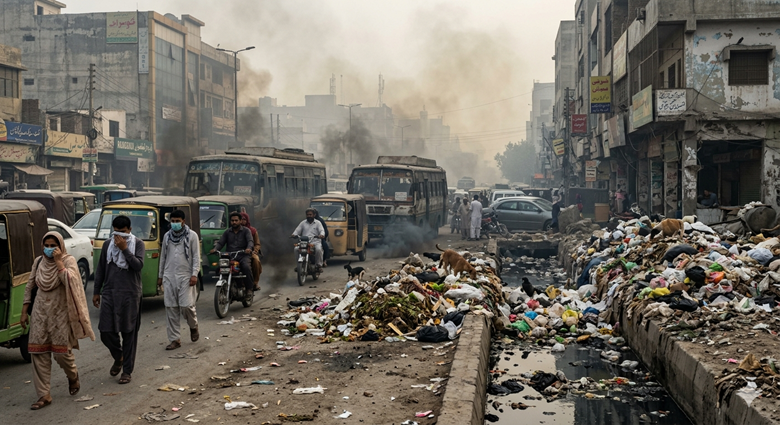
Figure 2: Urban Environmental Challenges in Pakistan
3. Why Current Waste Systems Are Not Working
Pakistan has outdated systems for waste management and environmental monitoring that are not enough capable to deal with the severity of current level of waste, pollution and climate change. There is also manual reporting of the data to track waste generation and disposal which has inefficiencies and reliability issues. This becomes the reason for delay in corrective actions initiation. Furthermore, decisions are based on historical data instead of current state. This gap between the old and new level problems is one of the reasons for the failure of current system to work in harmony with the prevailing challenges to the country.
Pakistan is still early in the transition to the circular economy. Over the time, the country has taken important steps that can contribute towards circular economy, for example ban on single use of plastic in Islamabad. All these efforts are scattered, but country has now recognized the need for the transit from linear to circular economy. The country’s first National Circular Economy Policy led by Sustainable Development Policy Institute (SDPI) with international technical support is in progress.
4. How AI and GIS Can Improve Resource Management
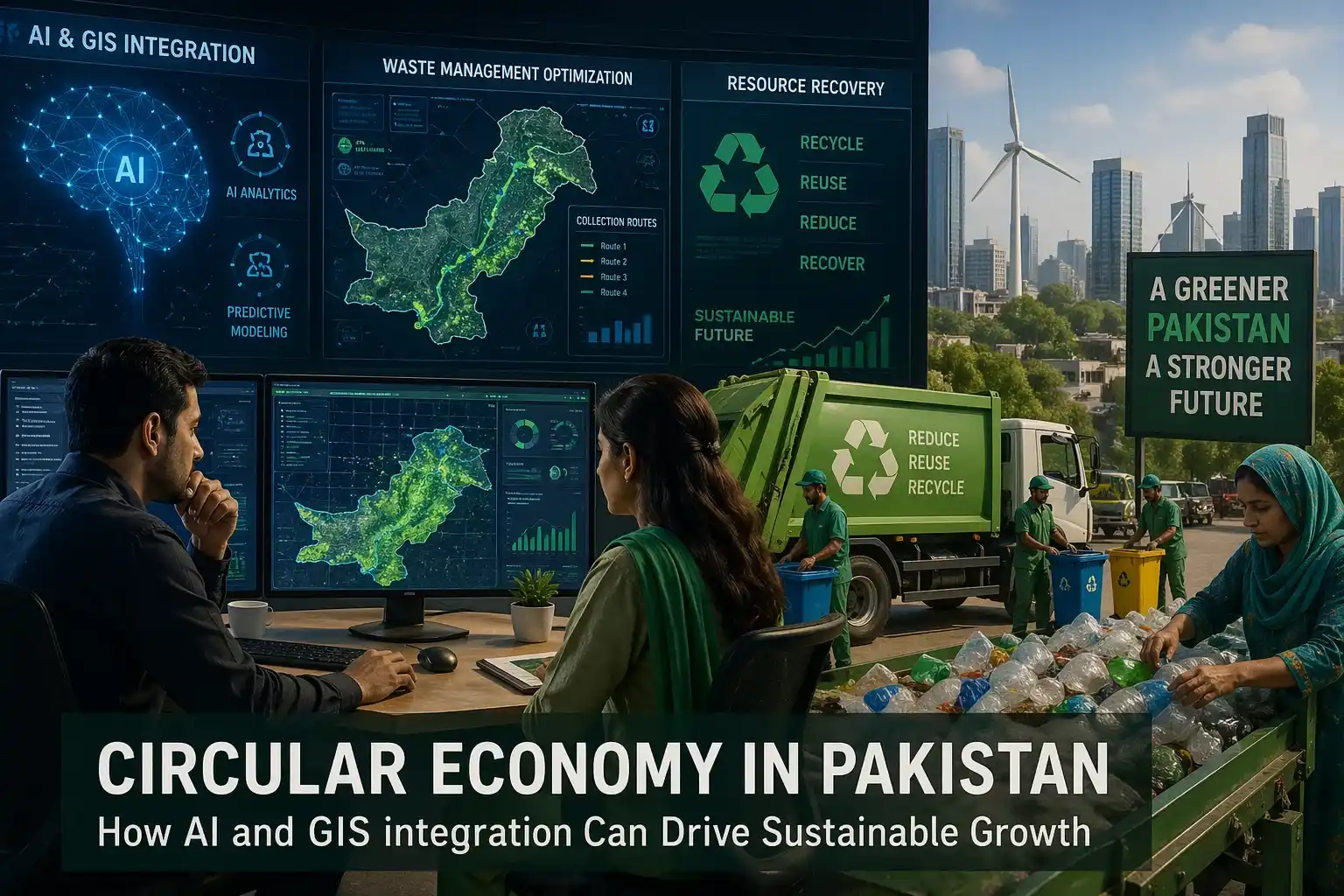
As today is the era of technology and artificial intelligence, these can prove effective in dealing with the problems. Modern technologies such as GIS can prove helpful in identification of the problem, remote sensing can prove fruitful for determining the severity of the problem over time and AI can assist in making predictions and declaring trends over time. This approach can help us to gain detailed insight to understand the real problem and then ways to deal with it by understanding its current severity level.
In this scenario, AI Geo Navigators 360 plays a crucial role through its services, products and interactive dashboard. AI Geo Navigators is a climate tech and geospatial firm that convert raw climate and environment data into actionable insights for better decision making through the integration of the AI and machine learning with GIS and remote sensing. The interactive dashboard and SAAS products like ClIM 13, Agile and RESIL-AI help in prediction of urban planning and upcoming natural disasters.
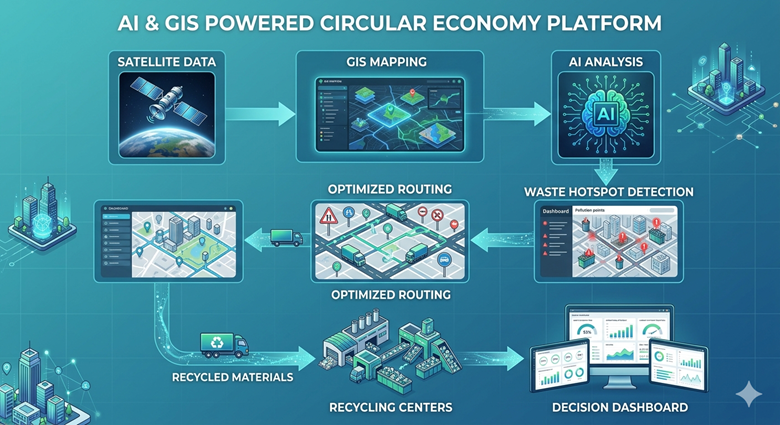
Figure 3: AI–GIS Driven Circular Economy Framework
It fills the gap of current data and helps in adaptation of proactive approach to deal with the natural calamities so that we may not suffer the loss of our resources. This helps in saving resources and a step towards achieving sustainability.
Understanding technology is an important part of the picture; however, application of these tools on ground to solve the problem is the real challenge. The data obtained through satellites can be used to map the waste hotspots of the big cities, appropriate transportation routes and selection of suitable sites for the installation of the recycling centers. Additionally, it can help in tracking the consumption of other resources that are also scarce in the country. So that proper resource management can help to keep these resources for the long run.
5. Building a Sustainable Future Through Circular Economy
As Pakistan is standing at the turning position where it has become necessary to move towards circular economy. The growing challenge of population expansion, urbanization, resources management and waste disposal are making linear economic system more costly. Based on current scenario, it is no longer optional to adopt this change. This has become a necessity to adopt strategic planning and circular economy to come out of this pathetic stage of development.
Despite the potential, barriers such as lack of awareness, data availability, policy gaps and economic constraints are challenges to implementation of the new system. The resistance to transition is also linked with the deep routed liner system. To move out of this phase, strong and strategic planning is required. Integration of AI and geospatial system is required at planning stage as well to make informed and accurate decisions. To turn data into action, there is also a strong need for collaboration between government, private sector and research institutions.