1. Introduction
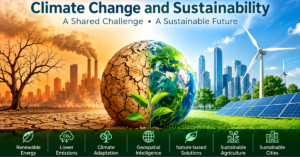
Climate change has become one of the defining global challenges of the twenty-first century. Rising temperatures, unpredictable rainfall, prolonged droughts, floods, cyclones, and shifting weather patterns are already transforming agricultural systems around the world. While climate change affects all countries, developing nations are facing the most severe consequences because their economies, livelihoods, and food systems are highly dependent on climate-sensitive sectors such as agriculture, livestock, and fisheries. Food security is therefore increasingly linked with climate resilience, sustainable development, and environmental management.
Food security exists when all people have physical, social, and economic access to sufficient, safe, and nutritious food. According to the Food and Agriculture Organization (FAO), food security is built upon four dimensions: food availability, food accessibility, food utilization, and food stability (FAO, 2008). Climate change threatens all four dimensions simultaneously. Crop failures reduce food availability, rising food prices limit access, nutritional quality declines under environmental stress, and repeated climate disasters weaken long-term stability.
In many developing countries, millions of people rely directly on rain-fed agriculture for survival. Farmers in South Asia, Sub-Saharan Africa, Southeast Asia, and parts of Latin America depend on predictable seasonal cycles for planting and harvesting. However, climate change has disrupted these cycles. Rainfall is arriving late or in excessive quantities, drought periods are becoming more frequent, and heat stress is damaging crops before harvest. As a result, food insecurity is increasing, particularly among vulnerable populations including smallholder farmers, women, children, and low-income households.
Research by the Intergovernmental Panel on Climate Change (IPCC) has shown that rising temperatures are likely to reduce crop productivity in many tropical and subtropical regions (IPCC, 2019). Similarly, FAO studies indicate that climate change will significantly influence food production systems, food distribution, and rural livelihoods (FAO, 2018). These challenges are not only environmental but also economic, political, and social. Climate change contributes to poverty, migration, unemployment, and social instability, all of which further undermine food security.
This blog critically examines the relationship between climate change and food security in developing countries. It explores the impacts of climate variability on agriculture, water resources, nutrition, rural livelihoods, and food systems. It also discusses regional case studies, adaptation strategies, technological innovations, and policy solutions that can strengthen resilience and ensure sustainable food security for future generations.
2. Understanding Food Security in Developing Countries
Food security remains one of the greatest development concerns in many low-income and middle-income countries. Despite advances in agricultural technology and global food production, hunger and malnutrition continue to affect millions of people worldwide. According to the United Nations, developing countries carry the highest burden of undernourishment and food insecurity because of poverty, weak infrastructure, political instability, and environmental degradation.
Agriculture is the backbone of many developing economies. In Sub-Saharan Africa and South Asia, agriculture contributes significantly to employment and national income. Most farming systems in these regions are small-scale and highly dependent on natural rainfall rather than irrigation systems. This dependence increases vulnerability to climatic variations. Even minor changes in rainfall patterns can reduce yields and threaten household food supplies.
Food insecurity in developing countries is often multidimensional. Some households may produce enough food during one season but struggle during droughts or floods. Others may face economic barriers that prevent them from purchasing nutritious food even when markets are supplied. Climate change intensifies these vulnerabilities by increasing uncertainty and reducing the reliability of agricultural production.
The nutritional dimension of food security is equally important. Many populations in developing countries already experience deficiencies in proteins, vitamins, and essential micronutrients. Climate stress can reduce the nutritional quality of crops such as wheat, rice, and maize. Rising atmospheric carbon dioxide concentrations have been associated with lower levels of zinc, iron, and protein in staple crops, creating additional health risks for poor communities.
Furthermore, rapid population growth in developing nations places additional pressure on food systems. Urbanization, land degradation, water scarcity, and competition for natural resources are already challenging food production. Climate change acts as a “threat multiplier” by worsening these existing problems. Therefore, achieving food security in developing countries requires not only increased food production but also climate adaptation, social protection, and sustainable resource management. Source: Figure modified from Animasaun et al. (2023).
3. Climate Change and Agricultural Productivity
Agriculture is one of the most climate-sensitive sectors. Changes in temperature, rainfall, humidity, and extreme weather directly affect crop growth, soil fertility, livestock health, and water availability. Developing countries are particularly vulnerable because they often lack advanced infrastructure, irrigation systems, agricultural insurance, and climate forecasting technologies.
One of the most visible impacts of climate change is declining crop productivity. Studies have shown that rising temperatures can shorten crop growth cycles, reduce pollination efficiency, and increase evapotranspiration rates. Heat stress damages important staple crops such as wheat, maize, rice, and sorghum. According to IPCC assessments, warming beyond certain thresholds significantly increases the likelihood of yield reductions, especially in tropical regions (IPCC, 2019).
Drought is another major challenge affecting food production. In regions such as the Horn of Africa and South Asia, prolonged droughts have caused widespread crop failures and livestock deaths. Drought reduces soil moisture, weakens plant growth, and limits water supplies for irrigation. Smallholder farmers who depend entirely on seasonal rainfall are often unable to recover from repeated drought events.
Floods and extreme rainfall also threaten agricultural systems. Intense precipitation can destroy standing crops, erode fertile soils, and damage irrigation infrastructure. Floodwaters often contaminate water supplies and increase the spread of waterborne diseases. Coastal agricultural regions are additionally threatened by sea-level rise and saltwater intrusion, which reduce soil fertility and agricultural productivity.
Climate change also contributes to the spread of agricultural pests and diseases. Warmer temperatures allow insects, fungi, and pathogens to survive in new regions for longer periods. Farmers in developing countries frequently lack access to pest management systems, making their crops more vulnerable. Locust invasions, armyworm outbreaks, and plant diseases have increasingly affected food production across Africa and Asia in recent years.
Livestock systems are equally vulnerable. Heat stress affects animal health, fertility, and milk production. Drought reduces pasture availability and increases competition for water resources. Fisheries and aquaculture are also under pressure because rising ocean temperatures and acidification alter marine ecosystems and fish migration patterns.
The economic consequences of declining agricultural productivity are severe. Reduced yields decrease farmer incomes, increase rural poverty, and contribute to food price inflation. In countries where agriculture supports most of the population, climate-induced agricultural losses can affect national economic growth and increase dependence on food imports.
4. Water Scarcity and Food Systems
Water is essential for agriculture and food production. Climate change is altering global hydrological cycles, leading to changing precipitation patterns, glacier melt, declining groundwater levels, and increasing water scarcity. Developing countries are particularly vulnerable because many regions already experience limited access to clean and reliable water supplies.
In South Asia, glacier retreat in the Himalayas threatens the long-term availability of river water that supports millions of farmers. In Africa, prolonged droughts have reduced river flows and groundwater recharge. Many farmers are forced to rely on unsafe water sources or abandon agricultural land altogether.
Water scarcity affects both crop production and livestock systems. Irrigation shortages reduce agricultural output and limit farmers’ ability to cultivate multiple crops annually. Competition over water resources can also increase social tensions between communities, regions, and countries.
Climate change has also increased the frequency of extreme rainfall events, leading to flash floods and soil erosion. Instead of gradually replenishing groundwater systems, intense rainfall often results in rapid runoff and water loss. Poor water management infrastructure in developing countries further increases vulnerability.
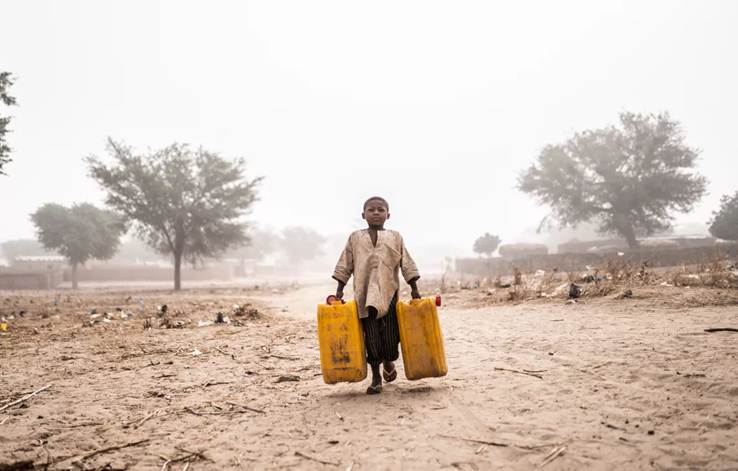
Niger, 2020. Early in the morning, children go to the nearest water point to fetch water, 15 kilometers away from their home in Tchadi village. Source: UNICEF
Efficient water management is therefore essential for climate adaptation and food security. Rainwater harvesting, drip irrigation, groundwater recharge systems, watershed management, and climate-smart irrigation technologies can help reduce water stress. Governments and development organizations must invest in sustainable water infrastructure to improve resilience in vulnerable communities.
- Impacts on Rural Livelihoods and Poverty
Climate change affects food security not only through food production but also through livelihoods and income generation. In developing countries, rural populations depend heavily on agriculture, livestock, forestry, and fisheries for employment. When climate disasters reduce productivity, rural households lose income and purchasing power.
Smallholder farmers are among the most vulnerable groups because they often lack savings, insurance, credit, and access to markets. Repeated climate shocks can trap households in cycles of poverty and food insecurity. Families may be forced to sell livestock, migrate to urban areas, or reduce spending on education and healthcare.
Women are disproportionately affected by climate-related food insecurity. In many developing countries, women are responsible for household food preparation, water collection, and small-scale farming. However, they often have limited access to land ownership, agricultural training, financial services, and decision-making processes. Climate stress increases their workload and reduces economic opportunities.
Children also face serious health risks. Food shortages and malnutrition can lead to stunted growth, weakened immune systems, and reduced cognitive development. Climate-related diseases such as diarrhea and malaria further threaten child health in vulnerable regions.
Migration is becoming an increasingly common response to climate stress. Rural populations affected by droughts, floods, and declining agricultural opportunities often move to urban areas in search of work. However, rapid urbanization can place additional pressure on housing, food supplies, and public services in developing countries.
6. Case Studies from Developing Regions
Sub-Saharan Africa
Sub-Saharan Africa is considered one of the most climate-vulnerable regions in the world. Agriculture in the region is largely rain-fed, and many countries already experience food insecurity and poverty. Rising temperatures and changing rainfall patterns are expected to reduce crop yields significantly in coming decades.
Countries such as Ethiopia, Somalia, and Kenya have experienced repeated droughts that resulted in livestock deaths, crop failures, and humanitarian crises. The 2020–2023 drought in the Horn of Africa affected millions of people and increased dependence on food aid. Researchers have warned that climate change may further intensify drought frequency and severity in East Africa.
South Asia
South Asia faces multiple climate-related challenges including heat waves, floods, glacier melting, cyclones, and water scarcity. Countries such as Pakistan, India, Bangladesh, and Nepal rely heavily on agriculture for employment and food production.
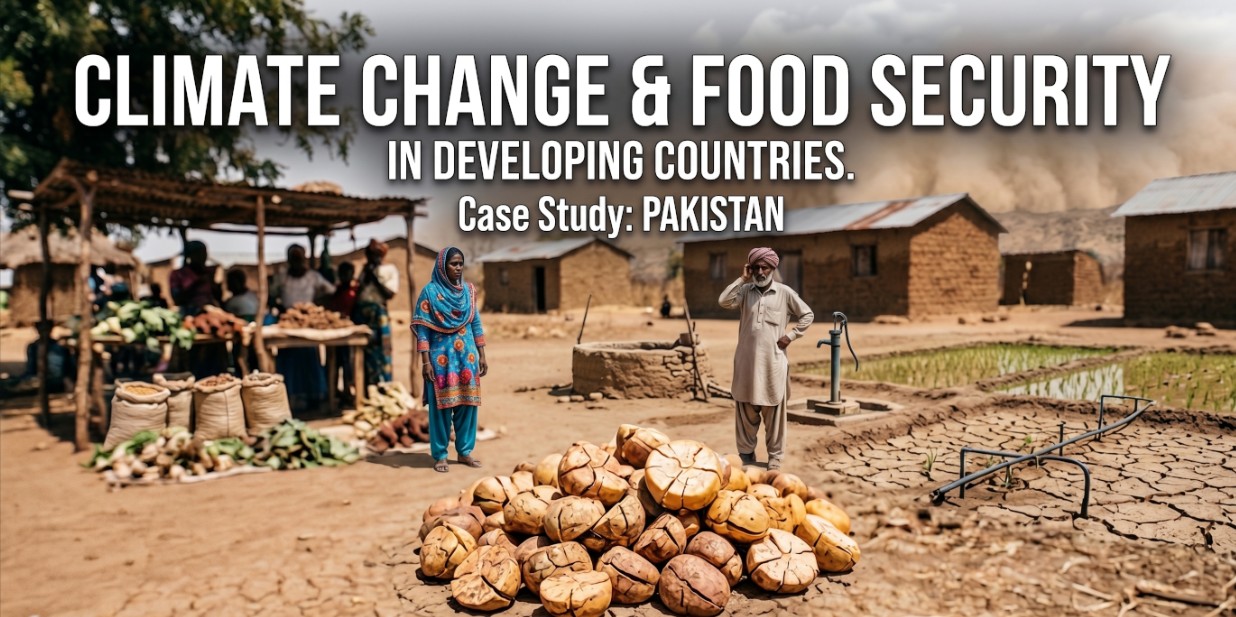
Pakistan’s devastating floods in 2022 damaged millions of hectares of agricultural land, destroyed crops, and displaced rural communities. Similarly, heat waves in India have reduced wheat production and affected food prices. Bangladesh faces additional threats from sea-level rise and saltwater intrusion in coastal agricultural zones.
Southeast Asia
Southeast Asian countries depend heavily on rice production and fisheries. Climate change threatens both sectors through rising temperatures, changing monsoon patterns, and stronger tropical storms. Vietnam’s Mekong Delta, one of the world’s major rice-producing regions, is increasingly affected by salinity intrusion and flooding.
Latin America
In Latin America, climate change has affected coffee production, livestock systems, and water availability. Countries in Central America have experienced severe droughts in the “Dry Corridor,” forcing many rural families to migrate. Deforestation and land degradation further increase climate vulnerability in the region.
7. Climate Change and Nutrition
Food security is not only about the quantity of food but also about nutrition and dietary quality. Climate change affects nutritional outcomes in several ways. Reduced agricultural diversity limits access to fruits, vegetables, and protein-rich foods. Rising food prices make nutritious diets less affordable for low-income households.
Climate stress can also reduce the nutrient content of staple crops. Research suggests that increased carbon dioxide levels may lower concentrations of zinc, iron, and protein in crops such as wheat and rice. This is particularly concerning for populations that rely heavily on staple foods for daily nutrition.
Extreme weather events also disrupt healthcare systems, sanitation infrastructure, and clean water access, increasing risks of malnutrition and disease outbreaks. Women and children are especially vulnerable to these health impacts.
8. Climate-Smart Agriculture as a Solution
Climate-smart agriculture has emerged as an important approach for improving food security under changing climate conditions. The concept focuses on increasing productivity, enhancing resilience, and reducing greenhouse gas emissions where possible.
Climate-smart agricultural practices include drought-resistant crop varieties, conservation agriculture, agroforestry, crop diversification, integrated pest management, and efficient irrigation systems. These approaches help farmers adapt to changing conditions while protecting natural resources.
Agroforestry, for example, combines trees with agricultural crops to improve soil fertility, reduce erosion, and provide additional income sources. Conservation agriculture minimizes soil disturbance and enhances water retention. Crop diversification reduces dependence on a single crop and improves resilience against climate shocks.
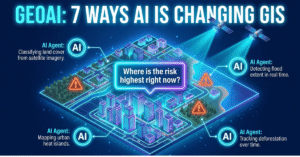
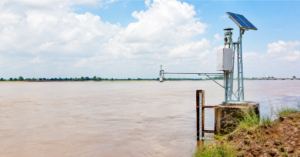
Digital technologies are also supporting climate adaptation. Mobile applications, satellite monitoring, remote sensing, and early warning systems help farmers access weather forecasts and agricultural advice. Geographic Information Systems (GIS) and remote sensing technologies are increasingly used to monitor droughts, floods, crop conditions, and land degradation.
9. Role of Policy and Governance
Strong governance and effective policies are essential for addressing climate-related food insecurity. Governments in developing countries must integrate climate adaptation into national agricultural and food security strategies. Investments in rural infrastructure, irrigation systems, agricultural research, and extension services are critical.
Social protection programs such as cash transfers, food assistance, and agricultural insurance can help vulnerable households recover from climate shocks. Policies should also support women farmers, indigenous communities, and marginalized groups who often face greater climate vulnerability.
International cooperation is equally important. Developing countries require financial and technological support to strengthen climate resilience. Climate finance mechanisms, adaptation funds, and international development partnerships can help vulnerable countries implement sustainable solutions.
Global agreements such as the Paris Agreement and the Sustainable Development Goals emphasize the importance of climate action and food security. However, achieving meaningful progress requires stronger political commitment and long-term investment.
10. The Importance of Sustainable Food Systems
Sustainable food systems are necessary for ensuring long-term food security in a changing climate. Current food production systems contribute significantly to greenhouse gas emissions, deforestation, water depletion, and biodiversity loss. Transforming food systems therefore requires balancing productivity with environmental sustainability.
Reducing food waste is one important strategy. A significant proportion of food produced globally is lost during production, transportation, storage, and consumption. Improving storage facilities, transportation infrastructure, and supply chain management can reduce losses and improve food availability.
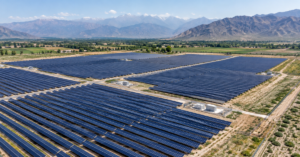
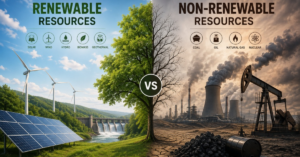
Sustainable land management practices are equally important. Reforestation, soil conservation, watershed protection, and biodiversity preservation help maintain ecosystem services that support agriculture. Renewable energy technologies can also improve sustainability in agricultural systems.
Consumer behavior also matters. Promoting sustainable diets, local food production, and environmentally responsible consumption patterns can support both food security and climate mitigation.
11. Future Outlook
The relationship between climate change and food security will become increasingly important in the coming decades. Population growth, urbanization, environmental degradation, and economic inequality will place additional pressure on global food systems. Without effective adaptation measures, climate change may reverse decades of progress in poverty reduction and hunger alleviation.
However, there are also opportunities for innovation and transformation. Advances in agricultural science, climate forecasting, biotechnology, renewable energy, and digital technologies can strengthen resilience and improve food production. Community-based adaptation strategies and indigenous knowledge systems can also contribute valuable solutions.
The future of food security in developing countries depends on collective action at local, national, and global levels. Governments, researchers, international organizations, private sectors, and local communities must work together to build resilient food systems capable of withstanding climate challenges.
12. Conclusion
Climate change poses a serious and growing threat to food security in developing countries. Rising temperatures, extreme weather events, water scarcity, land degradation, and shifting ecological conditions are undermining agricultural productivity and increasing vulnerability among poor populations. The impacts extend beyond food production to include nutrition, health, livelihoods, migration, and social stability.
Developing countries face unique challenges because of their dependence on climate-sensitive sectors, limited adaptive capacity, and existing socio-economic inequalities. Smallholder farmers, women, and children are among the most affected groups. Without urgent action, climate change may intensify hunger, poverty, and malnutrition across vulnerable regions.
At the same time, solutions exist. Climate-smart agriculture, sustainable resource management, technological innovation, social protection programs, and strong policy frameworks can help improve resilience. International cooperation and climate finance are essential for supporting adaptation efforts in developing nations.
Addressing climate change and food security requires a holistic and long-term approach that integrates environmental sustainability, economic development, and social equity. Building resilient food systems is not only necessary for reducing hunger but also for ensuring a sustainable future for coming generations. The challenge is immense, but with coordinated global action, innovation, and inclusive policies, developing countries can strengthen food security and adapt to an uncertain climate future.
References
Food and Agriculture Organization (FAO). (2008). Climate change and food security. Rome: FAO.
Food and Agriculture Organization (FAO). (2018). Climate change and food security: Risks and responses. Rome: FAO.
Intergovernmental Panel on Climate Change (IPCC). (2019). Special report on climate change and land. Geneva: IPCC.
Masipa, T. S. (2017). The impact of climate change on food security in South Africa. Journal of Human Ecology, 59(2–3), 111–118.
Mirzabaev, A., et al. (2023). Severe climate change risks to food security and nutrition. Current Opinion in Environmental Sustainability, 62.
United Nations. (2020). The state of food security and nutrition in the world. New York: United Nations.
Anshida, M. (2026). Impact of climate change on food security: A systematic review. Journal of Agriculture and Food Security.
Mutale, B. (2025). Enhancing food security amid climate change. Cogent Social Sciences.
Fischer, G. (1996). The potential effects of climate change on world food supply and food security. Rome: FAO.
Global Hunger Index. (2019). Climate change and hunger: Issues in focus.