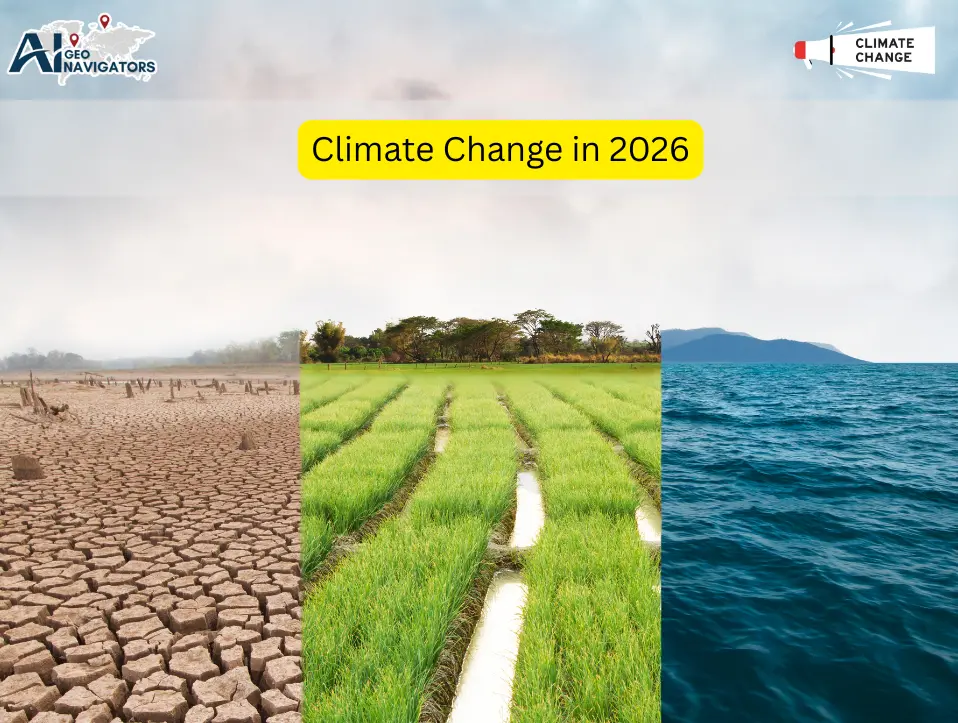
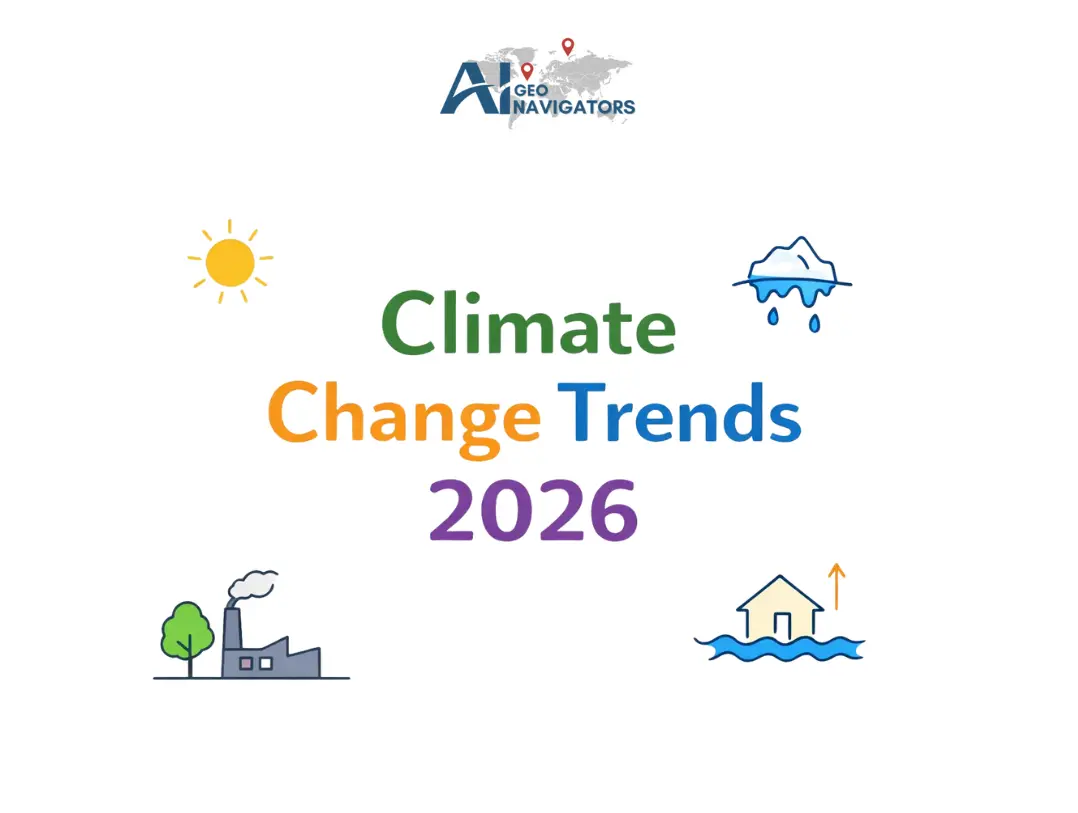
As we step into 2026, climate crisis is no longer a distant threat but a pressing reality that is having widespread and tangible impacts. The rise in global temperatures, driven primarily by human activities such as the burning of fossil fuels, deforestation, and industrial agriculture, has reached levels that are pushing the planet’s ecosystems to their limits. With the global average temperature now more than 1.5°C above pre-industrial levels, many scientists warn that we are on the edge of crossing dangerous climate thresholds. In 2026, the world is facing extreme heatwaves, record-breaking temperatures, and increasingly unpredictable weather patterns.
Current State of Climate Change | The Impact in 2026
These rising temperatures have already led to a surge in extreme weather events. Heatwaves, which were once considered rare occurrences, are now a regular part of summer in many regions. Cities in Europe, North America, and Asia, which were previously known for moderate climates, are now experiencing unprecedented summer heat. In these areas, temperatures regularly reach new records, exacerbating the demand for cooling systems, stressing energy grids, and increasing costs. The prolonged heat is not only uncomfortable for residents but also increases the risks of wildfires, particularly in areas that were once shielded from such natural disasters. The frequency and intensity of these wildfires have put ecosystems, infrastructure, and human lives at risk.
In addition to heatwaves, the world is also seeing an increase in other extreme weather events such as flooding, droughts, and storms. Flooding has become more common in areas with rising sea levels, while other regions are facing severe droughts that are drying up water sources and threatening agricultural production. Low-lying areas, such as coastal cities and islands, are particularly vulnerable to these changes. Rising sea levels, driven by the melting of polar ice caps and glaciers, threaten to submerge entire communities. Cities like Miami, New York, and Jakarta, which have long been susceptible to rising sea levels, are facing the reality of storm surges and saltwater contamination of freshwater supplies. This poses a dire threat to local populations and economies, forcing people to relocate and adapt in order to survive.
The impacts of climate change are also being felt in agricultural regions around the world. The increased frequency of heatwaves and droughts, coupled with unpredictable weather patterns, has caused crop failures and food shortages in many regions, particularly in parts of Africa, Southeast Asia, and South America. These agricultural losses are putting pressure on food systems globally, leading to price hikes, food insecurity, and even social unrest in some of the most vulnerable countries. The effects are felt most intensely in rural areas, where farming communities are unable to recover from crop losses and are facing the loss of livelihoods that depend on agricultural production.
The biodiversity crisis is another major consequence of climate change that is evident in 2026. The rapid pace of environmental change is overwhelming natural ecosystems, leaving many species unable to adapt or find suitable habitats. As forests burn, coral reefs bleach, and wetlands dry up, species that depend on these ecosystems are increasingly at risk. Iconic animals such as polar bears, elephants, and sea turtles are in danger of extinction as their habitats are destroyed by rising temperatures, altered rainfall patterns, and habitat fragmentation. The loss of biodiversity has far-reaching effects, not only on wildlife but also on the health of ecosystems that humans rely on for clean air, water, and food. The decline in pollinators, for example, poses a serious threat to global food production.
Furthermore, the human cost of climate change continues to rise. Vulnerable populations, particularly those living in poverty or in developing countries, are the hardest hit by climate-related disasters. Communities that have contributed the least to global emissions are now facing the harshest consequences. Women, children, the elderly, and indigenous communities are particularly vulnerable, as they often lack the resources and infrastructure needed to adapt to these changes. Climate-related migration is on the rise, with millions of people being forced to flee their homes due to rising sea levels, extreme weather, and food insecurity. These migrations create pressure on neighboring regions, leading to political and social challenges, including the risk of conflict over scarce resources.
Despite these challenges, the impacts of climate change have also sparked a global response, with increasing recognition of the need for action. Many governments, non-governmental organizations, and local communities are implementing adaptation and mitigation strategies. Efforts to reduce emissions, such as transitioning to renewable energy sources, enhancing energy efficiency, and promoting sustainable agriculture, are gaining traction. However, these efforts are not yet enough to reverse the trends we are seeing. More comprehensive and coordinated action is needed, not just to address the symptoms of climate change, but also to tackle its root causes and prevent further damage to the planet’s ecosystems.
The state of the climate in 2026 paints a sobering picture of the world’s future if immediate and aggressive action is not taken. Rising temperatures, extreme weather events, loss of biodiversity, and growing social inequalities are just some of the many consequences that are unfolding before us. While there is still hope for a better future, it will require unprecedented global cooperation and a commitment to meaningful change. The road ahead is difficult, but the choices made today will determine the kind of world future generations inherit.
Progress in Global Climate Policies and Commitments
As climate change accelerates, global efforts to address this crisis have become increasingly critical. Since the adoption of key agreements such as the Paris Agreement, numerous international organizations, including the United Nations Framework Convention on Climate Change (UNFCCC) and the Intergovernmental Panel on Climate Change (IPCC), have worked to set and monitor climate action goals. These goals aim to limit global temperature rise and mitigate the impacts of climate change, yet the question remains: how successful have these policies been in achieving meaningful progress by 2026?
The Paris Agreement, signed in 2015, remains one of the most significant global frameworks for addressing climate change. Its main objective is to limit global temperature rise to well below 2°C, with an aspiration to limit it to 1.5°C above pre-industrial levels. The agreement laid out clear expectations for each country to set Nationally Determined Contributions (NDCs) to reduce greenhouse gas emissions. As we reach 2026, it is important to assess whether countries have met their emission reduction pledges. While some nations have made notable progress, others are falling short, failing to implement their commitments effectively. For example, many developed nations, historically the largest contributors to emissions, have committed to net-zero carbon emissions by 2050, yet achieving this goal remains a daunting challenge. On the other hand, emerging economies and developing nations are struggling to balance growth with sustainability, often citing the need for more climate finance and technology transfer from wealthier countries.
An essential component of the Paris Agreement is climate finance, which aims to provide financial support to developing countries to help them mitigate and adapt to climate change. The promised $100 billion per year by developed nations to support these efforts has been slow to materialize, raising concerns about the fairness and efficiency of the agreement. As of 2026, the delivery of climate finance remains inconsistent, with developing nations often unable to access the necessary funding for climate resilience projects. The disparity between the financial capabilities of high-income countries and the needs of vulnerable nations creates tension, further complicating global climate diplomacy.
Carbon pricing, another critical tool for reducing emissions, has been embraced by several countries, but it has faced varying degrees of success. The implementation of carbon taxes and cap-and-trade systems has seen mixed results in terms of reducing emissions, with some regions, like the European Union, showing promising progress, while others struggle with the political and economic challenges of enacting these policies. Carbon pricing remains a contentious issue in many countries, with debates over its economic impact and fairness, particularly for industries and consumers.
Renewable energy transition has also become a cornerstone of climate policy worldwide. In 2026, the push for a shift from fossil fuels to green energy sources such as solar, wind, and hydroelectric power is evident in many countries’ commitments. Nations like Denmark, Germany, and Costa Rica have made significant strides in integrating renewable energy into their grids, while other regions are still heavily reliant on coal and natural gas. Technological advances in renewable energy, coupled with falling costs, have made these sources more accessible, but the global energy transition is still a work in progress. The pace of this transition will be crucial in determining the success of global climate policies.
Climate justice and equity are emerging as central themes in global climate discussions. As the impacts of climate change disproportionately affect vulnerable communities—particularly those in developing countries—efforts to address climate change must also focus on issues of fairness. Climate justice advocates emphasize the importance of acknowledging historical emissions and providing equitable support for adaptation and resilience in the most affected regions. This includes supporting local communities with resources for sustainable development, as well as addressing the socio-economic inequalities exacerbated by climate change. These discussions are shaping the future of climate policy, making it clear that the fight against climate change is not just an environmental issue but also a social and economic one.
In terms of global innovation, a growing focus on green technology and innovation is reshaping the landscape of climate action. Many countries are investing in green technologies that will help reduce emissions and improve sustainability. Electric vehicles, energy-efficient buildings, and smart grids are just a few examples of the types of innovations being implemented across the globe. The development of carbon capture and storage (CCS) technologies is also seen as a vital solution to offset emissions from industries that are difficult to decarbonize. While these innovations are promising, their widespread implementation remains limited by technological, financial, and political barriers.
Looking ahead, the success of global climate policies will largely depend on the level of commitment shown by nations, the financing mechanisms available for climate adaptation, and the ability to address climate justice. While there are positive signs of progress, it is clear that urgent and sustained action is necessary to meet global climate goals. Whether countries can deliver on their promises and implement effective policies will determine the future trajectory of the planet’s climate health.
Climate Change Adaptation | How Communities Are Coping
As the climate crisis intensifies, adaptation has become a vital strategy for safeguarding vulnerable populations and reducing the damage caused by the changing environment. While mitigation efforts like reducing greenhouse gas emissions remain crucial, adaptation allows communities to cope with the unavoidable impacts of climate change. In 2026, developing nations and regions that are particularly susceptible to climate-related disasters are ramping up efforts to build resilience and adapt to shifting weather patterns, rising sea levels, and extreme weather events.
One of the most pressing concerns is the increasing frequency and intensity of extreme weather events, such as floods, droughts, and storms, which threaten infrastructure, agriculture, and human health. To address these risks, communities are focusing on sustainable infrastructure that can withstand the impacts of climate change. This includes building flood-resistant structures, reinforcing coastal defenses, and improving water management systems to prevent the destruction of infrastructure during extreme weather. Green infrastructure, which includes urban spaces designed to absorb water, improve air quality, and reduce heat, is being implemented in cities around the world. For example, green roofs and rain gardens are being used in urban planning to reduce the heat island effect and manage stormwater.
In agricultural regions, the impact of climate change is being felt through unpredictable weather patterns and crop failures. Climate-resilient agriculture has emerged as a key solution to help farmers adapt to these changes. This involves the development of crop varieties that are more resistant to drought, pests, and diseases, and the use of sustainable farming practices such as crop rotation, soil conservation, and the efficient use of water resources. In areas where traditional farming practices are no longer viable, communities are turning to alternative livelihood strategies, such as aquaculture, agroforestry, and sustainable fisheries. These efforts not only support food security but also provide a buffer against the economic loss caused by extreme weather events.
The role of ecosystem-based solutions in adaptation is becoming increasingly important. Mangrove restoration, for example, is a key initiative in coastal regions vulnerable to sea-level rise and storm surges. Mangroves act as natural barriers, protecting coastal communities from flooding and erosion while providing a habitat for biodiversity. Similarly, reforestation efforts are being carried out in deforested areas to help mitigate soil erosion, improve water retention, and restore habitats for wildlife. These nature-based solutions are cost-effective, sustainable, and provide a range of environmental, social, and economic benefits.
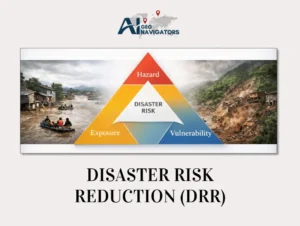
Disaster risk reduction measures are also a critical part of climate change adaptation. Communities in flood-prone areas are increasingly adopting early warning systems to monitor weather patterns and provide alerts before disasters strike. These systems use satellite data, weather stations, and predictive modeling to help authorities take proactive measures, such as evacuating vulnerable populations or closing floodgates. Additionally, community-based adaptation approaches are being embraced, where local knowledge and practices are integrated into disaster management planning. This includes evacuation drills, training programs, and community-based response teams that are prepared to act in case of emergencies.
In urban areas, green urban planning is a growing trend to make cities more climate-resilient. This involves creating public spaces that are not only environmentally friendly but also adaptable to the changing climate. Sustainable transportation systems, such as cycling lanes, electric buses, and expanded public transport networks, are being promoted to reduce emissions and make cities more livable. Furthermore, cities are investing in climate-responsive infrastructure, such as energy-efficient buildings and renewable energy sources like solar and wind power, to reduce reliance on fossil fuels and adapt to energy demands in the face of climate extremes.
For many of the world’s most vulnerable populations, climate change adaptation is not just about survival but about ensuring a sustainable future. These efforts are often supported by international climate finance, which helps fund projects in developing countries and vulnerable regions. The Green Climate Fund, Adaptation Fund, and other climate financing mechanisms are crucial in enabling communities to implement adaptation measures, from building resilient infrastructure to supporting sustainable agriculture.
Overall, while the challenges posed by climate change are immense, the adaptive measures being taken by communities worldwide are helping to create a more resilient future. The combination of sustainable infrastructure, disaster risk reduction, and ecosystem-based solutions is providing pathways for vulnerable populations to cope with the changing environment. However, it is clear that adaptation efforts must be scaled up and integrated into broader climate strategies if we are to effectively manage the risks posed by climate change in the years to come.
Future of Climate Change: Innovations and Solutions
Looking ahead, the future of climate change solutions is both daunting and hopeful. While the planet faces unprecedented environmental challenges, there is a growing sense of urgency and a concerted effort to develop innovative solutions that can help mitigate and adapt to the ongoing crisis. By 2026, we are beginning to see the potential of green technologies and climate engineering efforts that can help reduce carbon emissions, enhance climate resilience, and promote sustainable development across the globe. The next decade will be crucial in scaling these innovations and determining whether they can effectively address the environmental challenges that lie ahead.
One of the most promising areas of innovation is in the field of renewable energy. Solar, wind, and hydroelectric power are already making significant strides in reducing dependence on fossil fuels and lowering greenhouse gas emissions. By 2026, technological advancements in solar panel efficiency, wind turbine design, and energy storage systems are helping to make renewable energy more accessible and affordable than ever before. For instance, solar panels are becoming more efficient at converting sunlight into electricity, and new battery technologies are making it easier to store energy for use during non-sunny or non-windy periods. This progress is creating opportunities for countries to transition to cleaner energy sources, helping to reduce emissions from power generation and energy-intensive industries.
In addition to renewable energy, the rise of carbon capture and storage (CCS) technologies offers a critical opportunity to mitigate the effects of climate change. CCS involves capturing carbon dioxide emissions from power plants and industrial processes and storing them underground to prevent them from entering the atmosphere. While this technology is still in the early stages of development, it has the potential to play a significant role in achieving net-zero emissions targets, particularly in hard-to-decarbonize sectors like heavy industry and transportation. As research and development in this field continue, CCS could become a key tool in reducing the overall carbon footprint of the global economy.
Climate engineering, including solar radiation management and carbon dioxide removal, is another area that has garnered increasing attention as a potential solution to extreme climate scenarios. These technologies aim to either reflect sunlight away from the Earth to reduce warming or remove excess carbon dioxide from the atmosphere. While still highly experimental, climate engineering could offer a last-resort option for addressing the worst-case scenarios of climate change. However, it is important to recognize the ethical, environmental, and geopolitical concerns surrounding these technologies, as their implementation could have unintended consequences and raise questions about governance and equity.
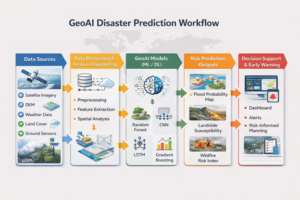
Technological innovations in climate prediction are also playing a vital role in preparing for and responding to climate change. Artificial intelligence (AI)-powered climate models are becoming increasingly sophisticated, allowing scientists to predict climate patterns with greater accuracy and detail. These models can help governments, businesses, and communities make informed decisions about climate resilience and disaster preparedness. AI is also being used to optimize energy consumption, improve the efficiency of renewable energy systems, and develop new sustainable materials that reduce environmental impact. These advancements in climate science and data analytics are helping to enhance our understanding of climate change and improve our ability to respond to it.
Alongside technological innovations, climate finance will play a crucial role in addressing climate change in the coming years. As the financial world increasingly recognizes the risks and opportunities associated with climate change, there is growing investment in sustainable projects and low-carbon technologies. Governments, development banks, and private investors are providing the capital needed to accelerate the transition to a green economy. This includes funding for renewable energy infrastructure, sustainable agriculture, and climate adaptation projects in vulnerable regions. Climate finance will also support the development of innovative financial instruments, such as green bonds and carbon credits, which incentivize businesses to reduce their environmental impact.
In addition to technological and financial innovations, climate entrepreneurship is gaining momentum as a means of driving systemic change. Entrepreneurs around the world are developing new products, services, and business models that address climate challenges while creating economic opportunities. These entrepreneurs are leading the way in creating solutions that reduce waste, increase efficiency, and promote sustainability in various industries, from fashion and agriculture to transportation and technology. As the demand for green products and climate solutions continues to grow, these entrepreneurs are playing an increasingly important role in shaping the future of the global economy.
Finally, global cooperation will be essential in ensuring that these innovations are deployed at the scale needed to address climate change. While technological advancements and financial investments are critical, it will require the collective efforts of governments, businesses, and individuals to create the political will and societal support necessary for transformative change. International climate agreements, such as the Paris Agreement, will continue to play a central role in setting global climate targets and encouraging countries to work together to achieve them. Collaboration across borders, industries, and sectors will be essential in scaling up solutions and ensuring that climate action is equitable and inclusive for all.
In conclusion, future of climate change solutions is full of potential. From renewable energy and carbon capture technologies to AI-powered climate prediction models and climate entrepreneurship, innovation is at the forefront of the battle against climate change. However, to realize the full potential of these solutions, it will require continued investment, international cooperation, and a commitment to sustainable practices at all levels of society. The next decade will be critical in determining whether these innovations can be scaled effectively to address the growing challenges of climate change and create a more sustainable future for the planet.


No responses yet