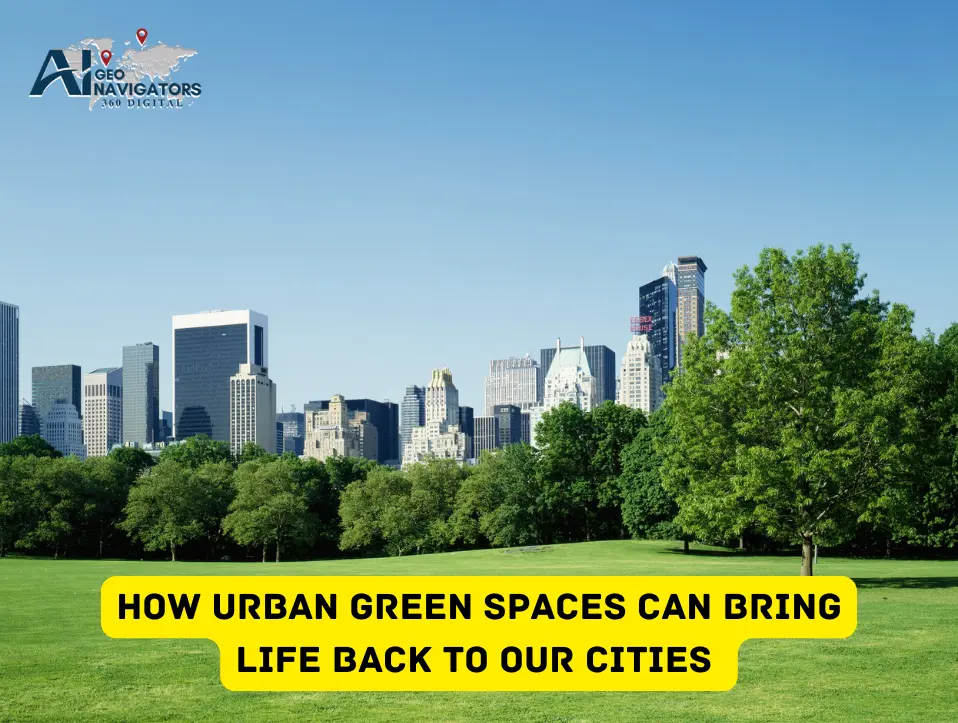
For years, we’ve treated cities as places where nature doesn’t belong grey skylines, glass towers, and endless traffic replacing everything living. But that idea is starting to fade.
Around the world, people are realizing that green spaces inside cities aren’t luxuries, their lifelines. Parks, wetlands, community gardens, and even simple roadside trees can turn an urban block into a living ecosystem.
Table of Contents
ToggleBiodiversity Doesn’t Just “Happen” We Design It
When city planners connect green pockets across neighborhoods, they build safe paths for life to move pollinators finding flowers, birds nesting, small animals finding shelter.
A single rooftop garden or a reclaimed empty plot can hold more biodiversity than we expect if it’s planted and managed thoughtfully.
What Makes Urban Nature Work
- Local plants first. Native trees and shrubs are the foundation. They attract the pollinators, birds, and insects that actually belong here …far more effectively than exotic ornamentals that might look pretty but feed nothing.
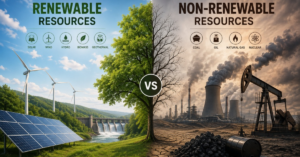
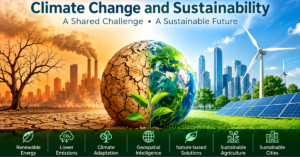
- Nature as infrastructure. Greenery cools the streets, absorbs stormwater, and cleans the air. This isn’t just decoration it’s climate protection woven into the landscape.
- People thrive too. When we live near trees and hear birds again, our minds reset. Access to nature improves focus, creativity, and mental health it makes cities more humane places to live.
The Fairness Gap
There’s a harder truth: most green investments still cluster around wealthier districts. Many lower-income communities remain hotter, more polluted, and almost treeless.
A fair biodiversity plan means every resident should have shade to stand under, not just those living near parks. Environmental justice begins with equal access to green air.
Africa’s Cities at a Turning Point
Urban growth in Lagos, Nairobi, Accra, and Johannesburg is rewriting the continent’s landscape. The choice is clear keep expanding without balance or redesign our cities with nature woven through them. Wetlands, tree corridors, and native vegetation can protect against floods, heat, and pollution if built into planning from the start.
Letting Nature Back In
Urban biodiversity isn’t about returning to the wild it’s about re-creating harmony where we live. Every tree planted, every patch of green recovered, brings us closer to cities that sustain both people and the planet.
What part of your city makes you feel most connected to nature?